
Share
Neurology
Chronic Stress May Cost You Peace Of Mind — And Memory
2 min read
TUESDAY, Sept. 29, 2026 (HealthDay News)
 Adobe Stock
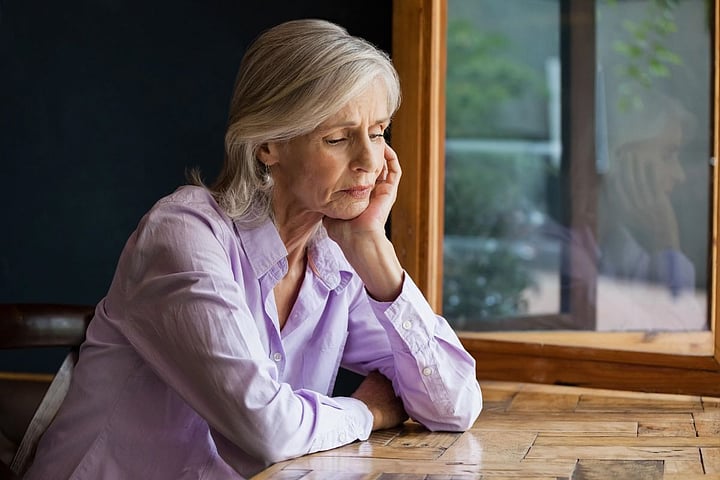
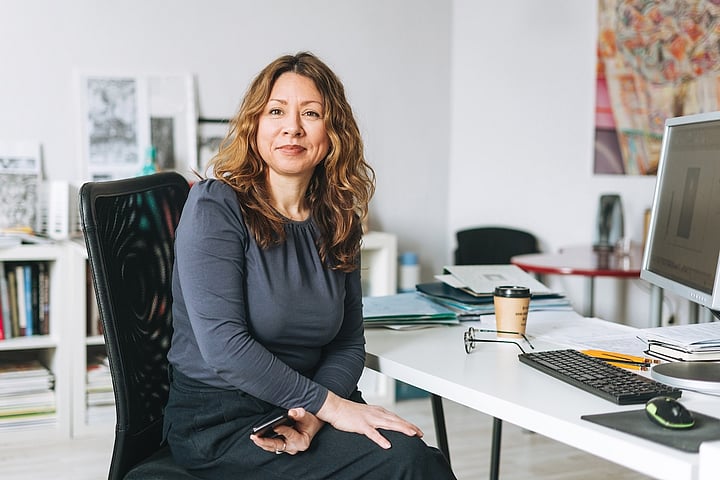
 Chronic stress may hit women’s brain power harder than men’s as they age.
A new study of nearly 3,900 healthy adults age 50 and older without dementia found women with higher levels of ongoing stress had steeper declines in attention and language than men.
Researchers said it’s not yet clear why — or whether the difference is tied to biology, such as hormones, or social factors like gender roles.
Hispanic participants with higher stress also had greater memory decline than non-Hispanic white participants.
But there was an encouraging finding across all groups: Greater social support was linked to less decline in attention.
Participants reported long-term stress from money, work, health, relationships and caregiving, along with the degree of support they felt. Their thinking skills were then tested about every two years.
Because the study was observational, it can’t prove cause and effect.
Still, researchers say the findings highlight potentially important factors in healthy brain aging.
“Social connections and stress are parts of everyday life that may be possible to change,” said co-author Michelle Mielke, a professor of epidemiology and prevention at Wake Forest University School of Medicine in Winston-Salem, North Carolina.
Next, researchers want to investigate whether reducing stress or strengthening meaningful support networks can help preserve cognitive function as people age. They also want to better understand how these factors may influence the risk of Alzheimer’s disease and related dementias.
The study was recently published in the journal Alzheimer’s & Dementia.
More information
The American Brain Foundation has more on how stress affects the brain.
SOURCE: HealthDay TV, Sept. 29, 2026
Copyright © 2026 HealthDay. All rights reserved.

Know your body better.
Trusted By Thousands Daily


Legal Disclaimer
The content published on Livium Health is for informational and educational purposes only. Nothing on this site constitutes medical advice, diagnosis, or treatment. Always consult a qualified healthcare provider before making decisions about your health, including changes to medications, supplements, diet, or exercise.
Livium Health is not a medical practice and does not have a patient-provider relationship with its readers. We do not sell supplements, medications, or treatments, and we have no financial relationship with the products or services we reference.
While we work to ensure the information we publish is accurate and up to date, health and medical guidance evolves. We make no guarantees about the completeness or currency of any content on this site. Reliance on any information provided by Livium Health is solely at your own risk.
If you are experiencing a medical emergency, call 911 or your local emergency services immediately.
We may receive compensation, free products, or affiliate commissions for products mentioned in this post. Opinions are our own.