
Share
General Health
Expensive Medical Bills Increase Expectations Of Pain During Procedures, Study Says
3 min read
WEDNESDAY, Nov. 4, 2026 (HealthDay News)
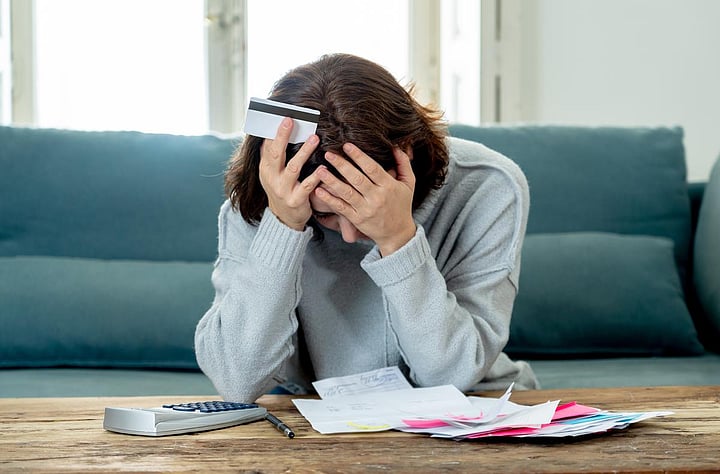
 LuneVA/peopleimages.com -- Adobe Stock
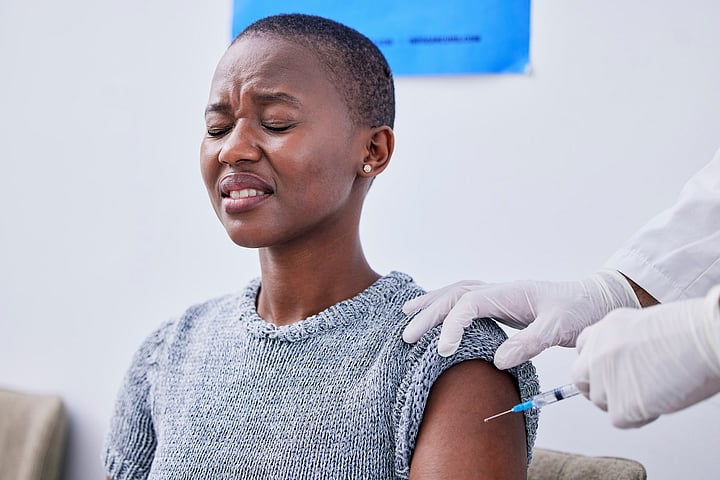
The pain posed to a person’s checkbook by a pricey medical procedure might increase their expectations of a physically agonizing ordeal, a new study says.
Expensive healthcare prices not only cause people to expect greater physical pain during a procedure, but can actually lead them to skip necessary care, researchers reported recently in the journal Psychology & Marketing.
“We found that the psychological pain of paying money doesn’t stay separate from our physical expectations,” said lead researcher Helen Colby, an assistant teaching professor of marketing at Carnegie Mellon University in Pittsburgh.
“When a medical test costs more out of pocket, people mentally brace for a more painful physical experience,” Colby said in a news release. “Financial anxiety changes how we construct the prospect of healthcare in our minds before we ever set foot in a doctor’s office.”
For the new study, researchers performed three distinct experiments designed to gauge what they called the “emotional spillover” between financial discomfort and expectations of physical pain:
-
One study examined how a $53 co-pay for a blood draw influenced people’s expectations of pain from the needle jab.
-
Another examined how a $787 co-pay would affect the likelihood that a person would schedule an appointment for an endoscopy.
-
A third tested whether cost would affect both pain expectations and the likelihood of scheduling an appointment for an $1,120 nerve conduction procedure.
In all the experiments — which involved 300, 350 and 400 American adults, respectively — people were randomly chosen to be told the amount they’d have to pay, or that there would be no co-pay at all.
When people were charged high prices, they consistently predicted higher physical pain and were less willing to schedule appointments, researchers found. This happened across all three experiments.
Researchers speculated that financial distress can directly spill over into expectations of pain. The discomfort one feels from a heavy co-pay triggers anxiety, which leads the brain to anticipate more physical pain.
This could be one reason why low-income or financially strained folks are more likely to delay medical care, researchers said. It’s not just the financial stress of facing another large bill to pay, but also the fact that money worries lead people to expect more pain.
“Healthcare providers and marketers need to realize that price tags carry heavy emotional weight,” Colby said.
“Communicating lower-cost options, offering clear payment plans, or framing preventive care as low-cost can lower financial anxiety,” she continued. “By reducing the pain of payment, we can decrease expected physical discomfort and encourage patients to get the medical care they need.”
More information
The National Health Council has more on financial toxicity.
SOURCE: Carnegie Mellon University, news release, Oct. 28, 2026
Copyright © 2026 HealthDay. All rights reserved.

Know your body better.
Trusted By Thousands Daily




Legal Disclaimer
The content published on Livium Health is for informational and educational purposes only. Nothing on this site constitutes medical advice, diagnosis, or treatment. Always consult a qualified healthcare provider before making decisions about your health, including changes to medications, supplements, diet, or exercise.
Livium Health is not a medical practice and does not have a patient-provider relationship with its readers. We do not sell supplements, medications, or treatments, and we have no financial relationship with the products or services we reference.
While we work to ensure the information we publish is accurate and up to date, health and medical guidance evolves. We make no guarantees about the completeness or currency of any content on this site. Reliance on any information provided by Livium Health is solely at your own risk.
If you are experiencing a medical emergency, call 911 or your local emergency services immediately.
We may receive compensation, free products, or affiliate commissions for products mentioned in this post. Opinions are our own.