
Share
Child Health
Horseback Riding Eases Hyperactivity In Kids With Autism, Study Says
2 min read
WEDNESDAY, Oct. 14, 2026 (HealthDay News)
 hedgehog94 -- Adobe Stock
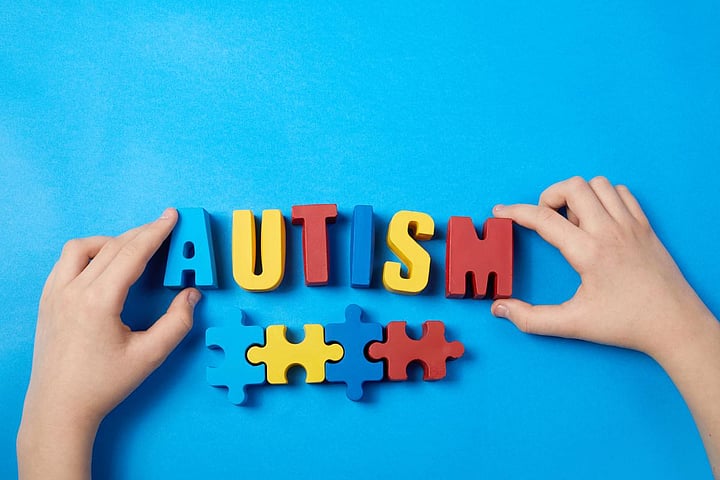
 Horseback riding can help children struggling with autism, ADHD or other psychiatric disorders, a new study says.
Kids were less hyperactive and irritable after they spent some time riding a horse, researchers reported recently in the journal Pediatrics.
“There is something about riding a horse that is particularly helpful for kids with hyperactivity,” senior researcher Robin Gabriels, a professor of psychiatry and licensed clinical psychologist at Children’s Hospital Colorado, said in a news release.
“For kids with autism and hyperactivity, equine-assisted therapy might be a good way to augment existing treatments,” Gabriels said.
Earlier research had shown such benefits for an 8- to 10-week therapeutic horseback riding program for children with autism, researchers said in background notes.
However, it wasn’t clear whether those earlier findings could be replicated in other locales, researchers said.
The team also wondered whether learning about horses without riding or interacting with them would provide the same benefits, given that some autistic kids may not be able or ready to ride.
For the new study, researchers recruited 236 autistic children ages 6 to 16 and randomly assigned them to one of three groups.
One group participated in therapeutic horseback riding, another group engaged in horse-related activities with a life-sized stuffed toy horse and a third was put on a waitlist to serve as a control group.
Results showed that both horseback riding and playing on the stuffed horse helped reduce irritability and hyperactivity, but riding had a much greater impact on hyperactivity than barn work.
“Horses are very accepting, and they respond to body language,” Gabriels said. “That interaction can provide children with opportunities to practice communication, emotional regulation and other skills in a very different environment.”
Both groups also showed significant improvements in emotional regulation and social behaviors compared to the control group.
These results indicate that horse-based programs might be helpful to children with developmental problems, researchers concluded.
“Working with horses gives these kids a chance to do something active, social and engaging,” Gabriels said. “For some children, that may be a particularly effective way to help them develop skills that can be difficult to teach in a traditional clinical environment.”
More information
Utah State University has more on equine therapy.
SOURCES: University of Colorado Anschutz, news release, Oct. 9, 2026; Pediatrics, Oct. 9, 2026
Copyright © 2026 HealthDay. All rights reserved.

Know your body better.
Trusted By Thousands Daily








Legal Disclaimer
The content published on Livium Health is for informational and educational purposes only. Nothing on this site constitutes medical advice, diagnosis, or treatment. Always consult a qualified healthcare provider before making decisions about your health, including changes to medications, supplements, diet, or exercise.
Livium Health is not a medical practice and does not have a patient-provider relationship with its readers. We do not sell supplements, medications, or treatments, and we have no financial relationship with the products or services we reference.
While we work to ensure the information we publish is accurate and up to date, health and medical guidance evolves. We make no guarantees about the completeness or currency of any content on this site. Reliance on any information provided by Livium Health is solely at your own risk.
If you are experiencing a medical emergency, call 911 or your local emergency services immediately.
We may receive compensation, free products, or affiliate commissions for products mentioned in this post. Opinions are our own.