
Share
Sleep Disorder
Light Therapy Improves Sleep Among Seniors, Study Finds
3 min read
THURSDAY, Sept. 3, 2026 (HealthDay News)
 Adobe Stock
 Bright light therapy can help seniors get better sleep, a new study says.
Light therapy lamps improved the sleep cycles and activity levels of older adults in cities who had diminished exposure to natural light, researchers reported Sept. 2 in the Journal of Pineal Research.
The new study provides “real-world evidence that light is a simple, non-pharmacological and potentially cost-effective intervention, which, from a public health policy perspective, could help support healthy aging,” said lead researcher Débora Constantino in a news release. She’s a postgraduate research student at the University of Surrey in the U.K.
For the study, researchers recruited more than 200 people ages 63 to 92 living in three European cities — Tartu in Estonia, Bologna in Italy and Amsterdam.
All participants had their normal light exposure, rest/sleep cycles and physical activity tracked for two weeks, using wearable devices and daily diaries.
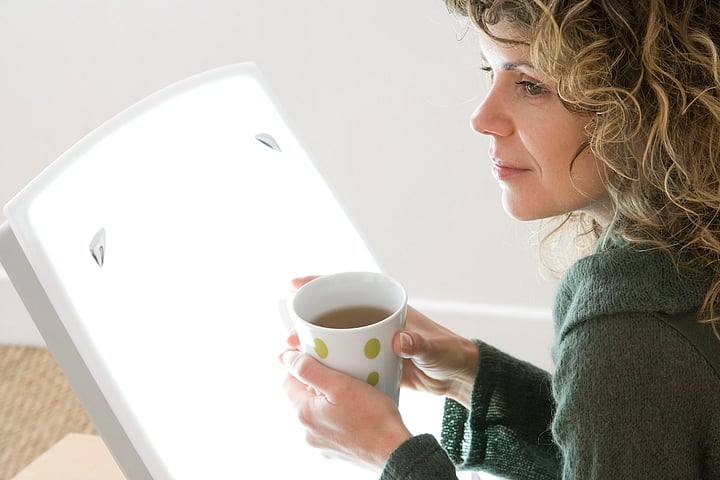
About half were then randomly chosen to receive three months of indoor light therapy, through a full-spectrum therapy lamp placed in their most frequently used room, the study says.
They were asked to keep the lamp at head height, turn it on within one hour of waking up, and then turn it off four hours before their normal sleep time.
“Exposure to daytime light is crucial to regulate our circadian rhythms and our sleeping patterns,” senior researcher Daan van der Veen said in a news release.
“However, often older adults in urban areas, due to the decline in their eyesight or perhaps mobility issues preventing them from going outside, do not get this exposure to good light, and this can lead to sleep and health problems, increasing their risk to chronic diseases,” van der Veen said. He is a senior lecturer in sleep and chronobiology at the University of Surrey.
A two-week assessment taken afterward showed that people with more light exposure also had increased daytime activity, improved wakefulness during the day and better sleep quality, researchers said.
“Morning larks” who began light supplementation earlier in the morning were significantly more active during the day, and had healthier rest/activity rhythms compared to those who slept in, results showed.
People also did better if they finished their light therapy earlier, reducing evening light exposure and giving themselves a chance to wind down for the evening, researchers found.
Light therapy might particularly benefit people with chronic health problems — such as high blood pressure, diabetes, obesity and heart disease — because they had significantly lower levels of total light exposure during the initial two-week assessment period, researchers said.
“We are very excited that the findings we have shown in laboratory studies of older people are now replicated in real-life conditions, with varying levels of natural light and in different cultures,” researcher Debra Skene, a professor of neuroendocrinology at the University of Surrey, said in a news release.
More information
The Sleep Foundation has more on light therapy.
SOURCES: University of Surrey, news release, Sept. 2, 2026; Journal of Pineal Research, Sept. 2, 2026
Copyright © 2026 HealthDay. All rights reserved.

Know your body better.
Trusted By Thousands Daily
Legal Disclaimer
The content published on Livium Health is for informational and educational purposes only. Nothing on this site constitutes medical advice, diagnosis, or treatment. Always consult a qualified healthcare provider before making decisions about your health, including changes to medications, supplements, diet, or exercise.
Livium Health is not a medical practice and does not have a patient-provider relationship with its readers. We do not sell supplements, medications, or treatments, and we have no financial relationship with the products or services we reference.
While we work to ensure the information we publish is accurate and up to date, health and medical guidance evolves. We make no guarantees about the completeness or currency of any content on this site. Reliance on any information provided by Livium Health is solely at your own risk.
If you are experiencing a medical emergency, call 911 or your local emergency services immediately.
We may receive compensation, free products, or affiliate commissions for products mentioned in this post. Opinions are our own.