
Share
Infectious Disease
New Mother’s Death Adds To Measles Toll As Pregnancy Warnings Grow
3 min read
THURSDAY, Nov. 5, 2026 (HealthDay News)
 Adobe Stock
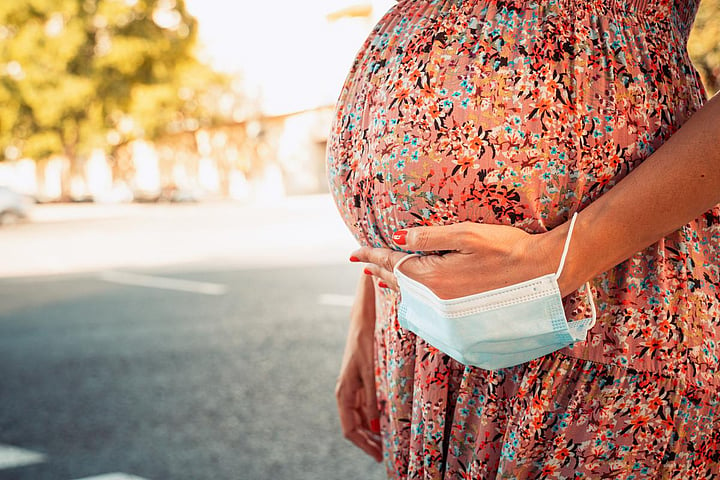
An unvaccinated 21-year-old woman who developed complications after giving birth has become Pennsylvania’s sixth measles-associated death this year.
State health officials announced the death Wednesday, saying the Jefferson County resident had tested positive for measles. Citing privacy laws, the Pennsylvania Department of Health released few other details.
She delivered at home and was later flown to a hospital near Pittsburgh, where she died Sept. 30, funeral director Brenda Shumaker told The Washington Post.
“She had just delivered her baby. It was a home birth, and the midwife was not able to handle the complications,” Shumaker said.
Her death certificate lists organ failure, postpartum hemorrhage (heavy bleeding after childbirth), liver failure and suspected measles as main causes. Her newborn, her first child, is healthy and living with family, Shumaker added.
Pennsylvania is home to the nation’s largest outbreak, with 1,467 cases across 45 counties as of Wednesday, state officials said.
Nationally, the U.S. Centers for Disease Control and Prevention (CDC) counted 4,852 cases as of Oct. 29. That’s the most in 35 years, The Post reports.
The news follows New York’s first measles-linked death in more than three decades. An unvaccinated child in Lewis County died at home Sunday.
Roughly a month ago, CDC scientists sought to send doctors an urgent nationwide alert on the dangers of measles during pregnancy, The Post reported.
The alert, which normally needs approval from the CDC director’s office, never went out. It’s not clear why.
After decades of near-elimination, many U.S. doctors have never had to spot or treat measles in a pregnant patient.
“These are unprecedented knowledge gaps. Who on earth would have thought we needed to know this stuff?” Dr. Jeanne Marrazzo, chief executive of the Infectious Disease Society of America, told The Post.
Pennsylvania issued its own health alert to doctors last month, after 77 pregnant women in the state had caught measles since the outbreak began in late April.
Measles in pregnancy raises a mother’s risk of pneumonia, hospitalization and death, the alert warned.
It also raises the odds of miscarriage, stillbirth, premature birth and low birth weight. The virus can pass to the baby in the womb, causing congenital measles.
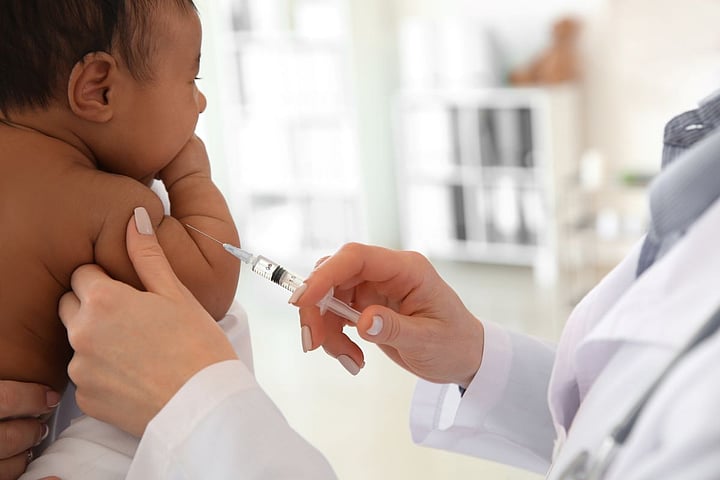
State officials stressed that getting the measles, mumps and rubella (MMR) vaccine before pregnancy is the best protection. It’s a live vaccine, so it can’t be given during pregnancy, and women should wait 28 days after a dose before trying to conceive.
Pregnant women who aren’t immune and are exposed should receive an infusion of protective antibodies, called immune globulin, within six days, the alert advises.
New mothers who aren’t immune should get the MMR shot after delivery, as should household members who’ll help care for the baby. Infants in outbreak areas can’t be vaccinated until 6 months of age.
More information
Visit the MotherToBaby website for more information about measles and pregnancy.
SOURCES: The Washington Post, Nov. 4, 2026 and Oct. 30, 2026; Pennsylvania Department of Health, Oct. 19, 2026
Copyright © 2026 HealthDay. All rights reserved.

Know your body better.
Trusted By Thousands Daily
Legal Disclaimer
The content published on Livium Health is for informational and educational purposes only. Nothing on this site constitutes medical advice, diagnosis, or treatment. Always consult a qualified healthcare provider before making decisions about your health, including changes to medications, supplements, diet, or exercise.
Livium Health is not a medical practice and does not have a patient-provider relationship with its readers. We do not sell supplements, medications, or treatments, and we have no financial relationship with the products or services we reference.
While we work to ensure the information we publish is accurate and up to date, health and medical guidance evolves. We make no guarantees about the completeness or currency of any content on this site. Reliance on any information provided by Livium Health is solely at your own risk.
If you are experiencing a medical emergency, call 911 or your local emergency services immediately.
We may receive compensation, free products, or affiliate commissions for products mentioned in this post. Opinions are our own.