
Share
Senior Health
One Factor Boosts Survival Among Seniors After A Broken Hip — And It’s Not Money
2 min read
FRIDAY, Sept. 4, 2026 (HealthDay News)
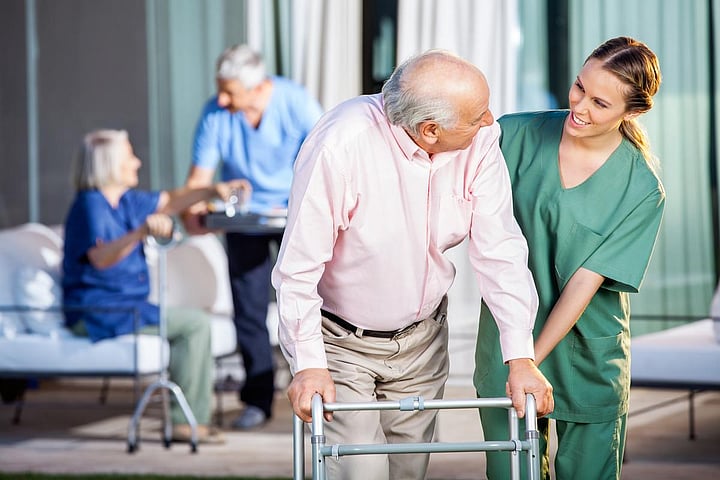
 manassanant/Adobe Stock
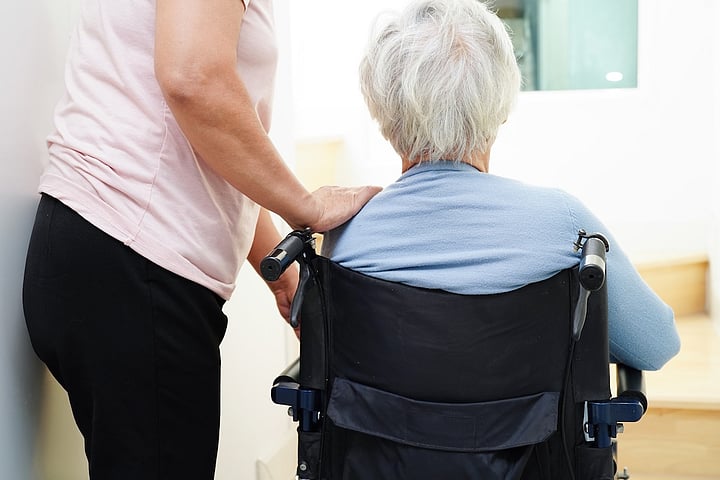
 There’s one personal factor that boosts survival among seniors who undergo surgery to repair a broken hip.
Not how much money they have. Not where they live. Not whether they recuperated at home or in a nursing facility.
Surprisingly, education is the factor most strongly tied to seniors’ survival following hip fracture surgery, researchers reported recently in the British Journal of Anaesthesia.
This is likely because greater education helps seniors better understand what they need to do to recuperate successfully, said lead researcher Dr. Rasmus Åhman, a doctoral student at Linköping University in Sweden.
“There’s a concept called health literacy, which we think may relate closely to level of education,” Åhman said in a news release. “It’s about how you absorb information from healthcare professionals and understand why you should do different things.
“It could also be that a higher level of education is linked to a larger social network and better support from family and relatives,” Åhman added.
For the new study, researchers tracked around 58,000 Swedish seniors 75 to 89 who had surgery following a hip fracture.
Initial results showed that deaths among hip surgery patients 80 to 84 were three times as high as expected among other people that age.
The team then examined four factors to see which were most closely tied to death — education, residential area, income and access to home care or nursing homes.
“Above all, it was the level of education that showed the strongest correlation with mortality,” Åhman said.
Residential area turned out to play no major role at all, researchers said.
“Based on our data, there seems to be no clear differences in survival depending on the type of hospital where you had your hip fracture surgery,” Åhman said.
However, this doesn’t mean that folks should hit the books to improve their odds, he said.
“We’re not saying more people should study further,” Åhman said. “Rather, level of education can be seen as a marker that helps healthcare identify patients who may need additional support, for example in the form of tailored information, rehabilitation and follow-up after hospitalization.”
More information
The Cleveland Clinic has more about broken hips.
SOURCES: Linköping University, news release, Sept. 2, 2026; British Journal of Anaesthesia, Aug. 5, 2026
Copyright © 2026 HealthDay. All rights reserved.

Know your body better.
Trusted By Thousands Daily
Legal Disclaimer
The content published on Livium Health is for informational and educational purposes only. Nothing on this site constitutes medical advice, diagnosis, or treatment. Always consult a qualified healthcare provider before making decisions about your health, including changes to medications, supplements, diet, or exercise.
Livium Health is not a medical practice and does not have a patient-provider relationship with its readers. We do not sell supplements, medications, or treatments, and we have no financial relationship with the products or services we reference.
While we work to ensure the information we publish is accurate and up to date, health and medical guidance evolves. We make no guarantees about the completeness or currency of any content on this site. Reliance on any information provided by Livium Health is solely at your own risk.
If you are experiencing a medical emergency, call 911 or your local emergency services immediately.
We may receive compensation, free products, or affiliate commissions for products mentioned in this post. Opinions are our own.