
Share
Mental Health
Psilocybin Isn’t Seen As Cure-All By People With Depression, Study Finds
3 min read
FRIDAY, Oct. 9, 2026 (HealthDay News)
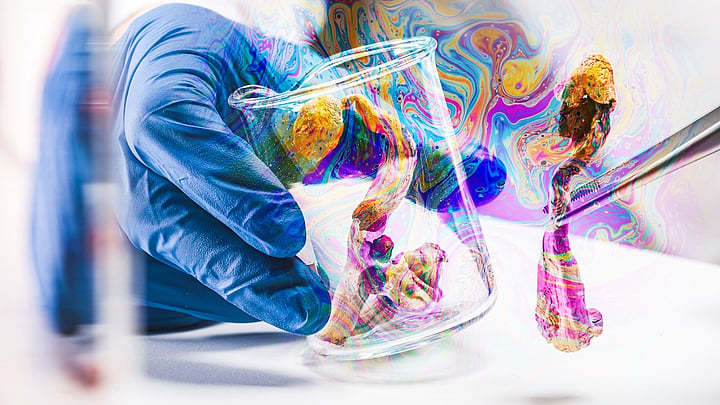 Adobe Stock
 Depressed people aren’t treating “magic” mushrooms as a cure-all for their condition, a new study says.
Experts had been concerned that patients who treat their depression with psilocybin wouldn’t bother continuing to see a therapist or keep taking their prescribed antidepressants.
But people who take psilocybin also keep seeking traditional treatments for their disorder, researchers reported Oct. 6 in the journal Psychological Medicine.
“Our main takeaway is that among people with depression, those using psilocybin aren’t abandoning conventional mental health care, which is good news,” said lead researcher Avery Eun, a second-year medical student at the University of California, San Diego School of Medicine.
“But what is interesting is that even though they use mental health care at the same rate as nonusers, they still feel that their needs aren’t being met, which gives us an opportunity to better understand those unmet needs so we can help these patients,” he said in a news release.
For the new study, researchers analyzed data from the 2024 National Survey on Drug Use and Health, which was the first version of the annual federal poll to specifically track how recently participants had used psilocybin.
“It is one thing to know if someone has used psilocybin at any point in their life, but knowing they used it within the past year allows us to see how that use actually relates to their current engagement with mental health care,” Eun said.
The research team specifically focused on nearly 6,800 respondents 12 and older who’d had a major depressive episode in the last year.
Of those people, about 7% had used psilocybin during that same period, results showed.
Patients who used psilocybin had about the same rate of therapy, treatment and use of prescription antidepressants than those who didn’t try psychedelics, researchers found.
However, those who turned to psilocybin were more likely to perceive that they weren’t getting the mental health care they needed — 52% versus 34% for nonusers.
Psilocybin users were more likely to be younger, male, never married and employed full-time, researchers said.
Researchers warned that psilocybin-assisted therapy has only been found effective when taken with structured dosing and therapists on hand to guide the experience.
Because people often get magic mushrooms illicitly and take them without any psychological support, it’s not clear that they’ll get any benefit from psilocybin, researchers said.
These results indicate that people who turn to psilocybin are desperate for help and willing to try alternative treatments, researchers concluded.
“It’s really important for providers to interpret psilocybin use in their patients differently,” Eun said.
“Rather than assuming a patient is retreating from care, providers can use this as a way to start a conversation about the motivations for use,” he continued. “If psilocybin is being used for therapeutic reasons, it may be an opportunity to discuss whether the patient feels their needs are being met by conventional care and what can be done to help if not.”
More information
Ohio State University has more on psilocybin for depression.
SOURCE: University of California, San Diego, news release, Oct. 6, 2026
Copyright © 2026 HealthDay. All rights reserved.

Know your body better.
Trusted By Thousands Daily






Legal Disclaimer
The content published on Livium Health is for informational and educational purposes only. Nothing on this site constitutes medical advice, diagnosis, or treatment. Always consult a qualified healthcare provider before making decisions about your health, including changes to medications, supplements, diet, or exercise.
Livium Health is not a medical practice and does not have a patient-provider relationship with its readers. We do not sell supplements, medications, or treatments, and we have no financial relationship with the products or services we reference.
While we work to ensure the information we publish is accurate and up to date, health and medical guidance evolves. We make no guarantees about the completeness or currency of any content on this site. Reliance on any information provided by Livium Health is solely at your own risk.
If you are experiencing a medical emergency, call 911 or your local emergency services immediately.
We may receive compensation, free products, or affiliate commissions for products mentioned in this post. Opinions are our own.