
Share
Mental Health
Is Shorter Daylight Dragging Down Your Mood? What To Know About SAD
6 min read
FRIDAY, Nov. 6, 2026 (HealthDay News)
 Adobe Stock
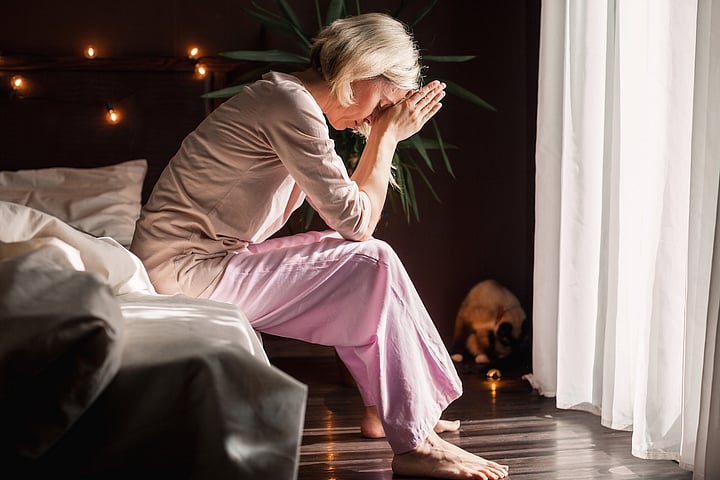
Ever heard of the winter blues? The phrase describes that blah, low-energy feeling that can settle in as days grow shorter, colder and grayer this time of year.
For some people, though, it’s more than a passing slump.
As many as 10% to 20% of Americans may notice a mild dip in mood during the darker months, according to the Cleveland Clinic. But when that dip runs deep enough to disrupt daily life, it may be a form of depression called seasonal affective disorder.
What Is Seasonal Affective Disorder?
Seasonal affective disorder, or SAD, is depression that follows a seasonal pattern. It may be at play if you’ve noticed “significant changes in your mood and behavior when the seasons change,” according to the U.S. National Institute of Mental Health (NIMH).
Symptoms tend to return around the same time each year and can linger for four to five months.
Despite its reputation, SAD isn’t limited to winter. There are two types:
-
Winter-pattern SAD is the more common form. It usually begins in late fall or early winter and lifts once spring arrives.
-
Summer-pattern SAD flips that timing. It starts in late spring or early summer and eases by fall.
SAD is also different from the “holiday blues.” Family gatherings, travel and year-end deadlines can weigh on anyone, but SAD is driven by shifts in daylight rather than dates on the calendar, NIMH says.
What Causes SAD?
Researchers haven’t pinned down an exact cause, but several factors seem to work together. Genetics, brain chemistry and a body clock that’s fallen out of sync could all play a part, Kelly Rohan, a psychologist at the University of Vermont, told NIH News in Health.
Much of the research so far has focused on two brain chemicals:
-
Serotonin helps regulate mood. People with SAD, especially the winter type, tend to have lower serotonin activity, and fewer daylight hours may push it down further.
-
Melatonin helps control the sleep-wake cycle. In winter-pattern SAD, the body may make too much, leaving people groggy and prone to oversleeping. Summer-pattern SAD may involve too little, with long, hot days disrupting sleep, though that idea hasn’t been well tested.
“In people with SAD, changes in serotonin and melatonin disrupt normal daily rhythms,” according to NIMH. That makes it hard for the body to keep up as daylight hours change, which can throw off sleep, mood and behavior.
Signs And Symptoms To Watch For
SAD shares many symptoms with other forms of depression. These can include:
-
Feeling sad, empty or hopeless most of the day
-
Losing interest in hobbies and activities you usually enjoy
-
Low energy or feeling worn down
-
Trouble focusing, remembering things or making decisions
-
Feeling irritable, anxious, guilty or worthless
-
Changes in sleep, appetite or weight
-
Aches, pains or stomach problems with no clear physical cause
Not everyone will have all of these. But if symptoms stick around for two weeks or more, it’s worth talking with a healthcare provider, according to NIH News in Health.
There’s no blood test or scan for SAD. Instead, a provider will look for depressive episodes that follow the same season for at least two years in a row. They may also check things like thyroid function to rule out other causes, the Cleveland Clinic notes.
How To Treat Seasonal Depression
SAD is treatable, and many people do best with a combination of approaches.
Light Therapy
A bright light box helps make up for the sunlight you lose in darker months. It’s been a mainstay for winter-pattern SAD since the 1980s, NIMH says, and it’s thought to affect brain chemicals linked to mood and sleep.
“Light therapy is one of our effective treatments that is actually really easily tolerated,” Craig Sawchuk, a Mayo Clinic psychologist, told the Mayo Clinic News Network.
He recommends using a 10,000-lux light box or lamp for about 20 minutes, within an hour of waking up.
“That tends to be about the sweet spot of exposure to that light,” he said. Sawchuk suggests sticking with it into the spring, or until your mood starts lifting on its own.
Talk Therapy
Cognitive behavioral therapy (CBT) helps people recognize and reshape unhelpful thoughts and habits. A version tailored to SAD, called CBT-SAD, usually involves two group sessions a week for six weeks, NIMH says.
It targets gloomy beliefs about the season (dreading winter’s dark afternoons, for example) and helps people schedule enjoyable activities to counter the urge to hunker down.
In head-to-head comparisons, CBT and light therapy eased symptoms about equally, though light therapy worked a bit faster on some of them.
Antidepressant Medications
Antidepressants can be used alone or alongside therapy. Because SAD is linked to serotonin, providers often turn to selective serotonin reuptake inhibitors (SSRIs) such as sertraline (Zoloft), fluoxetine (Prozac) and escitalopram (Lexapro).
The U.S. Food and Drug Administration has also approved an extended-release form of bupropion. Taken daily from fall through early spring, it can help keep seasonal depression from returning, NIMH says.
Everyday Habits That Can Help
Daily routines can make a difference, too. Experts at the Cleveland Clinic and NIH suggest you:
-
Spend time outdoors each day, even when it’s overcast, and open blinds to let in more light.
-
Aim for 30 minutes of exercise at least three times a week.
-
Stay connected with friends, family and hobbies, even when you’d rather stay home.
-
Reach for nourishing meals instead of the sugary, starchy foods SAD can make you crave.
-
Go easy on alcohol, which can worsen symptoms and interact with antidepressants.
If SAD tends to hit at the same time each year, starting treatment early may help head off an episode. For example, someone whose symptoms usually start in October might begin light therapy in September.
“Talk to your doctor,” Rohan said. “The right treatment or combination of treatments could improve your quality of life in the affected season.”
More information
The U.S. National Institute of Mental Health has more on seasonal affective disorder.
SOURCES: U.S. National Institute of Mental Health, 2023; Cleveland Clinic, April 10, 2022; Mayo Clinic, Dec. 7, 2022; NIH News in Health, November 2024
Copyright © 2026 HealthDay. All rights reserved.
Table of Content

Know your body better.
Trusted By Thousands Daily







Legal Disclaimer
The content published on Livium Health is for informational and educational purposes only. Nothing on this site constitutes medical advice, diagnosis, or treatment. Always consult a qualified healthcare provider before making decisions about your health, including changes to medications, supplements, diet, or exercise.
Livium Health is not a medical practice and does not have a patient-provider relationship with its readers. We do not sell supplements, medications, or treatments, and we have no financial relationship with the products or services we reference.
While we work to ensure the information we publish is accurate and up to date, health and medical guidance evolves. We make no guarantees about the completeness or currency of any content on this site. Reliance on any information provided by Livium Health is solely at your own risk.
If you are experiencing a medical emergency, call 911 or your local emergency services immediately.
We may receive compensation, free products, or affiliate commissions for products mentioned in this post. Opinions are our own.