
Share
Allergies
Tick-Borne Meat Allergy Raises Blood Transfusion Reaction Risk
3 min read
FRIDAY, Sept. 18, 2026 (HealthDay News)
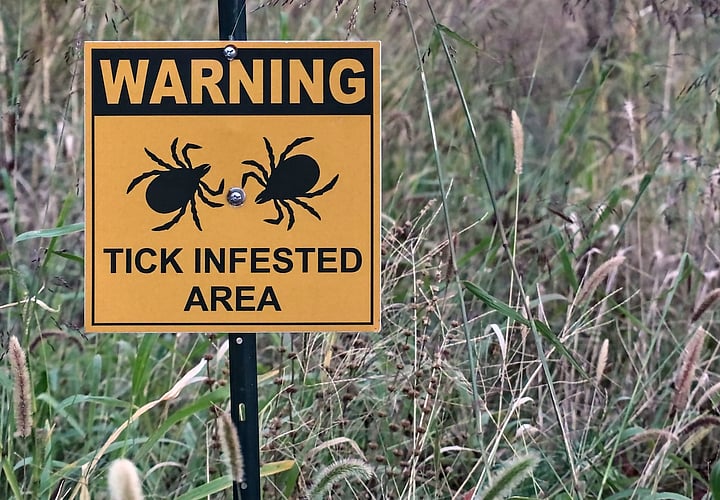 Yuriy T -- Adobe Stock
 A meat allergy caused by tick bites could make it tougher for patients to safely receive blood transfusions, a new study says.
Alpha-gal syndrome (AGS) might cause people with “universal” type O blood to suffer an allergic reaction after receiving transfusions from type B or type AB donors, researchers recently reported in JAMA Internal Medicine.
Such allergic reactions occur nearly four times more often in U.S. areas where alpha-gal syndrome is most common, researchers found.
“We anticipate that this will change transfusion practices in the United States, at least in AGS high-prevalence regions,” said lead researcher Dr. Richard Kaufman, a professor of pathology and laboratory medicine at Dartmouth College in Hanover, New Hampshire.
Dartmouth Health Medical Center “has already taken the step to cease giving transfusions of B or AB platelets to O patients to avoid potential injury to these patients,” Kaufman said in a news release.
AGS occurs when a Lone Star tick bite causes a person’s immune system to develop an allergic reaction to a sugar molecule found in beef, pork or lamb called galactose-alpha-1,3-galactose, or alpha-gal, researchers said.
Symptoms from an alpha-gal allergic reaction can include hives, swelling, nausea, vomiting, abdominal pain, diarrhea or even life-threatening anaphylactic shock, researchers said.
The structure of alpha-gal is highly similar to an antigen expressed on type B blood cells and platelets, researchers said in background notes.
Because of this, researchers were concerned that allergic reactions might occur among people who receive type B and AB blood transfusions.
For the new study, researchers analyzed nearly 559,000 platelet and plasma transfusions at 40 sites in five countries involving people with type O blood receiving B or AB donations.
Results showed that in nine U.S. regions where AGS occurs most often, allergic reactions from B or AB donations were 3.9 times more frequent than reactions from type O donations.
No similar increased risk was found in 15 U.S. locales where AGS is not common, researchers said.
“Most sites in the AGS-high cluster were in the southeast or Atlantic Coast regions, whereas AGS-low sites were mainly in the Upper Midwest or West,” the study said.
Type B blood was particularly risky, causing a nine-fold increased risk of moderate to severe allergic reactions among people with type O blood receiving donations in places where AGS is common, according to the study.
“The changing climate and ensuing greater proliferation of ticks is leading to illnesses and symptoms we had not seen before, and we continue to learn about them in real time,” said senior researcher Dr. Nancy Dunbar, a professor of medicine and pathology and laboratory medicine at Dartmouth.
“AGS is a particularly fascinating and challenging tickborne disease as it causes this life-threatening allergy the patient did not have before, and now we know the risk is even greater for AGS patients who are type O,” she said in a news release.
“It is our hope that other hospitals, especially in regions with high tick populations, will follow DHMC’s lead and avoid B and AB units for O-group patients in need of platelet or plasma transfusion,” Dunbar said. “Even if it’s an abundance of caution, it could save the patient’s life.”
More information
The U.S. Centers for Disease Control and Prevention has more about alpha-gal syndrome.
SOURCES: Dartmouth College, news release, Aug. 24, 2026; JAMA Internal Medicine, Aug. 24, 2026
Copyright © 2026 HealthDay. All rights reserved.

Know your body better.
Trusted By Thousands Daily

Legal Disclaimer
The content published on Livium Health is for informational and educational purposes only. Nothing on this site constitutes medical advice, diagnosis, or treatment. Always consult a qualified healthcare provider before making decisions about your health, including changes to medications, supplements, diet, or exercise.
Livium Health is not a medical practice and does not have a patient-provider relationship with its readers. We do not sell supplements, medications, or treatments, and we have no financial relationship with the products or services we reference.
While we work to ensure the information we publish is accurate and up to date, health and medical guidance evolves. We make no guarantees about the completeness or currency of any content on this site. Reliance on any information provided by Livium Health is solely at your own risk.
If you are experiencing a medical emergency, call 911 or your local emergency services immediately.
We may receive compensation, free products, or affiliate commissions for products mentioned in this post. Opinions are our own.