
Share
Cardiovascular Diseases
Too Much Light At Night May Change Your Heart’s Structure And Function
2 min read
THURSDAY, Sept. 10, 2026 (HealthDay News)
 adobe stock
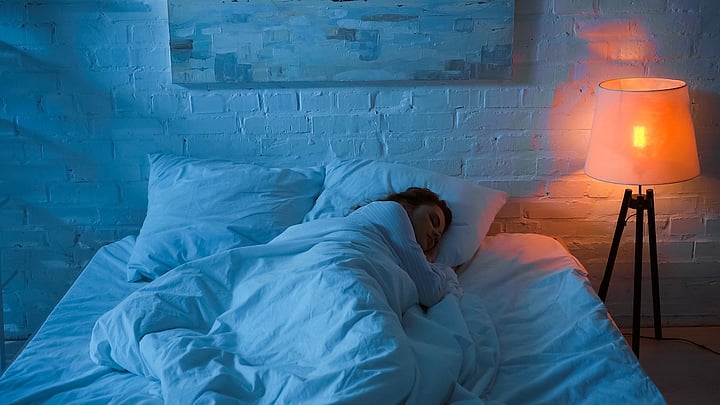
 Exposure to too much light at night may actually change the shape and function of your heart, new research reveals.
“Previous observational studies have linked nighttime light exposure with a higher risk of cardiovascular disease, but little is known about the related cardiac structure and functional changes,” said lead author Dr. Lu Qi, director of the Obesity Research Center at Tulane University in New Orleans.
“We carried out this research to find out what happens to the heart over time when people are exposed to too much light at nighttime,” he added in a news release.
For the study, more than 11,000 adults were asked to wear wrist sensors for seven days to track their overnight light exposure.
People in the highest-exposure group spent about 34 minutes a night in levels of light that may suppress melatonin — the hormone that helps regulate sleep.
Three years later, researchers used magnetic resonance imaging (MRI) to examine their hearts.
Their scans showed thickening in the wall of the heart’s left ventricle, reducing the space inside that chamber.
There were also signs that the heart muscle’s ability to flex during a beat was reduced — an early indicator of dysfunction. This is called cardiac remodeling.
“It’s our body’s way of adapting to that stress, but ultimately it weakens the heart and can lead to heart failure,” Qi said.
Researchers said shorter sleep appears to play a role in the link between nighttime light and these changes.
In an editorial that accompanied the study, a team led by Dr. Thomas Münzel of University Medical Center in Mainz, Germany, offered a prescription of sorts to clinicians.
Noting that light exposure is a growing risk factor for heart disease, they urged clinicians, especially those treating heart failure or atrial fibrillation, to ask patients about room darkness, screen use and night-shift work.
For now, the expert advice is simple: Try blackout curtains and warm-colored bedside lighting, and cover the standby LEDs on household electronics.
The findings were published today in the European Heart Journal.
More information
The American Heart Association has more on heart failure.
SOURCE: HealthDay TV, Sept. 10, 2026
Copyright © 2026 HealthDay. All rights reserved.

Know your body better.
Trusted By Thousands Daily




Legal Disclaimer
The content published on Livium Health is for informational and educational purposes only. Nothing on this site constitutes medical advice, diagnosis, or treatment. Always consult a qualified healthcare provider before making decisions about your health, including changes to medications, supplements, diet, or exercise.
Livium Health is not a medical practice and does not have a patient-provider relationship with its readers. We do not sell supplements, medications, or treatments, and we have no financial relationship with the products or services we reference.
While we work to ensure the information we publish is accurate and up to date, health and medical guidance evolves. We make no guarantees about the completeness or currency of any content on this site. Reliance on any information provided by Livium Health is solely at your own risk.
If you are experiencing a medical emergency, call 911 or your local emergency services immediately.
We may receive compensation, free products, or affiliate commissions for products mentioned in this post. Opinions are our own.