
Share
Diabetes
Type 1 Diabetes Cases Forecast To Surge 30% Worldwide By 2049
2 min read
TUESDAY, Sept. 1, 2026 (HealthDay News)
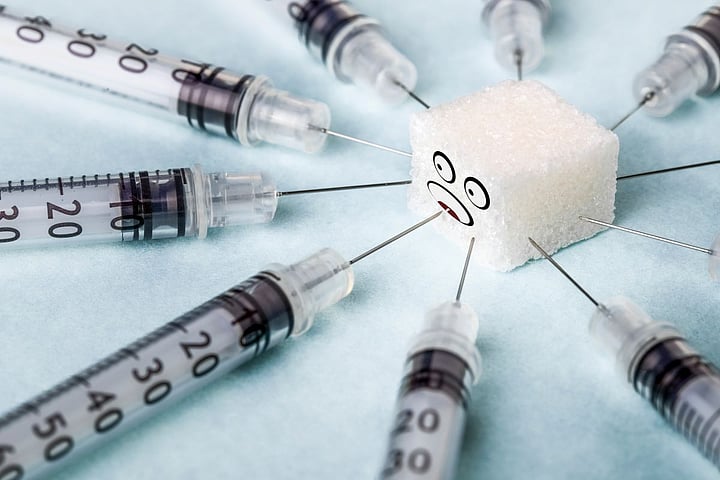 Adobe Stock
 The number of people living with type 1 diabetes worldwide is projected to jump nearly 30% over the next two decades from 9.4 million today to 12.1 million by 2049.
The number of new cases per year is expected to climb too, rising 14% globally over the same period.
The impact could be substantial in the U.S., where more than half a million additional people are projected to be living with type 1 diabetes by 2049.
Dr. Anders Green of the Steno Diabetes Center in Denmark and colleagues say high rates in the U.S. and other wealthy countries, including Australia and the U.K., are likely linked to genetics, environmental triggers and high detection rates.
The largest relative increase is expected in low-income countries, as better access to insulin and glucose monitoring improves survival.
The burden already extends heavily to younger people: Those under 20 represented an estimated 42% of new cases last year.
The study also projects all-cause deaths among people with type 1 diabetes will rise from about 361,000 in 2025 to 538,000 by 2049.
The authors say their findings underscore “the need to continue to improve access to insulin and quality of care, particularly in low-resource settings.”
The findings are scheduled for presentation in Milan at a meeting of the European Association for the Study of Diabetes Sept. 28 to Oct. 2.
Findings presented at medical meetings are considered preliminary until published in a peer-reviewed journal.
More information
The American Diabetes Association has more on type 1 diabetes.
SOURCE: HealthDay TV, Sept. 1, 2026
Copyright © 2026 HealthDay. All rights reserved.

Know your body better.
Trusted By Thousands Daily



Legal Disclaimer
The content published on Livium Health is for informational and educational purposes only. Nothing on this site constitutes medical advice, diagnosis, or treatment. Always consult a qualified healthcare provider before making decisions about your health, including changes to medications, supplements, diet, or exercise.
Livium Health is not a medical practice and does not have a patient-provider relationship with its readers. We do not sell supplements, medications, or treatments, and we have no financial relationship with the products or services we reference.
While we work to ensure the information we publish is accurate and up to date, health and medical guidance evolves. We make no guarantees about the completeness or currency of any content on this site. Reliance on any information provided by Livium Health is solely at your own risk.
If you are experiencing a medical emergency, call 911 or your local emergency services immediately.
We may receive compensation, free products, or affiliate commissions for products mentioned in this post. Opinions are our own.