
Share
Mental Health
A Hidden Trait May Explain Rising Anxiety In Young Adults
2 min read
THURSDAY, Nov. 19, 2026 (HealthDay News)
 Adobe Stock
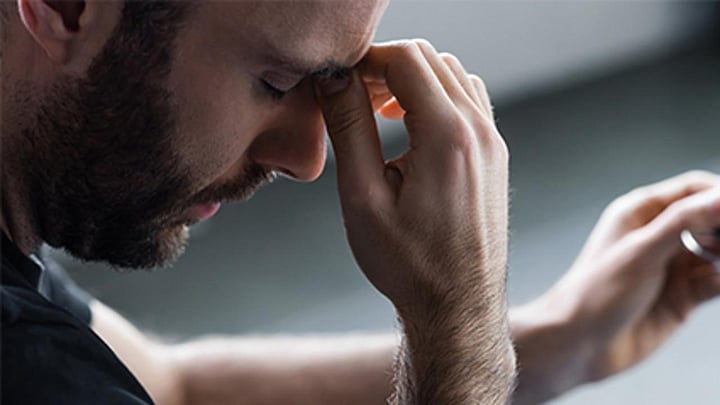
A new study may help explain why anxiety is on the rise among young adults.
Researchers say college students are increasingly struggling with uncertainty — or not knowing what the future holds.
That could mean worrying about passing a test, getting a job or not knowing what to expect in a social situation.
The study analyzed data from more than 37,000 college students in the U.S. and Canada.
It found their “intolerance of uncertainty” — a key psychological risk factor for anxiety — increased significantly between 1992 and 2023. And it rose about three times faster after 2012.
Researchers suspect smartphones and social media, academic pressure and economic instability may all be contributing, though the exact causes remain unclear.
The encouraging news: One study author says an effective treatment for uncertainty already exists.
Cognitive behavioral therapy can teach people to better tolerate uncertainty by gradually facing unpredictable situations instead of avoiding them.
“The persistent increase in intolerance of uncertainty justifies continued research into the role of uncertainty in the epidemiology of anxiety and the development of interventions that effectively reduce intolerance of uncertainty,” said senior author Katherine Keyes, a professor of epidemiology at Columbia University Mailman School of Public Health.
“Our findings suggest that reducing intolerance of uncertainty may help curb the rise of anxiety and mood disorder symptoms among young adults,” she added in a news release.
The study was published Nov. 18 in JAMA Psychiatry.
More information
The Mayo Clinic has more on anxiety disorders.
SOURCE: HealthDay TV, Nov. 19, 2026
Copyright © 2026 HealthDay. All rights reserved.

Know your body better.
Trusted By Thousands Daily








Legal Disclaimer
The content published on Livium Health is for informational and educational purposes only. Nothing on this site constitutes medical advice, diagnosis, or treatment. Always consult a qualified healthcare provider before making decisions about your health, including changes to medications, supplements, diet, or exercise.
Livium Health is not a medical practice and does not have a patient-provider relationship with its readers. We do not sell supplements, medications, or treatments, and we have no financial relationship with the products or services we reference.
While we work to ensure the information we publish is accurate and up to date, health and medical guidance evolves. We make no guarantees about the completeness or currency of any content on this site. Reliance on any information provided by Livium Health is solely at your own risk.
If you are experiencing a medical emergency, call 911 or your local emergency services immediately.
We may receive compensation, free products, or affiliate commissions for products mentioned in this post. Opinions are our own.