
Share
Mental Health
Frequent Sleep ‘Jolts’ Linked To Anxiety And Poor Sleep
2 min read
THURSDAY, Nov. 12, 2026 (HealthDay News)
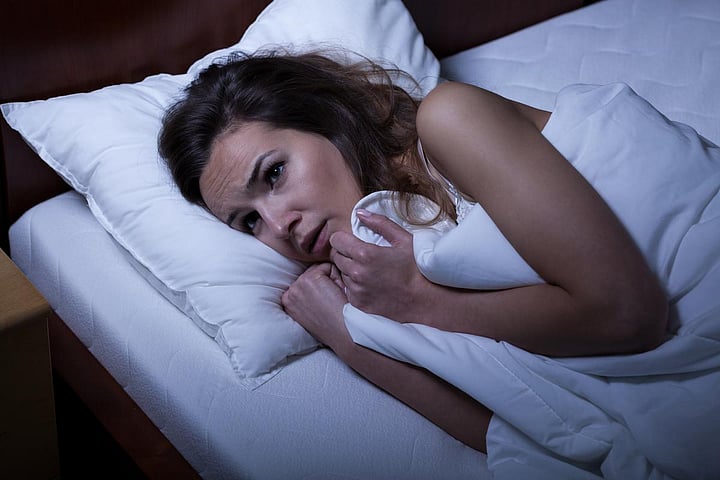 Adobe Stock
Ever start to fall asleep — and suddenly jolt awake?
It’s called a “sleep start,” or hypnic jerk. And new research links frequent episodes to anxiety and poor sleep.
Researchers surveyed nearly 200 adults and found those experiencing jolts at least once a week reported worse sleep quality, more insomnia symptoms and higher levels of anxiety and depression.
Participants reported more episodes during periods of emotional stress. Those with more negative thoughts about sleep also tended to startle awake more often.
“Sleep starts are much more than a simple muscle twitch when falling asleep,” said lead author Tanja Grünberger, from Paris Lodron University in Salzburg, Austria.
Participants described sensations of falling, racing hearts, flashes of light, even loud bangs — sometimes accompanied by fear or panic.
Most drifted back to sleep quickly, but some experienced real distress.
“What we found most interesting was how closely sleep starts are linked to how people think and feel about sleep,” Grünberger said in a news release. “The more strongly participants held unhelpful beliefs about sleep and the more anxious they were, the more often they reported sleep starts — and in the moment itself, many described a strong pressure to finally fall asleep.”
Researchers said it’s unclear whether anxiety and pressure to fall asleep contribute to the jolts — or vice versa.
Next, they want to find out whether reducing worry about sleep could make these episodes less distressing.
The study was published Nov. 11 in the journal PLOS Mental Health.
More information
The National Sleep Foundation has more on sleep health.
SOURCE: HealthDay TV, Nov. 12, 2026
Copyright © 2026 HealthDay. All rights reserved.

Know your body better.
Trusted By Thousands Daily






Legal Disclaimer
The content published on Livium Health is for informational and educational purposes only. Nothing on this site constitutes medical advice, diagnosis, or treatment. Always consult a qualified healthcare provider before making decisions about your health, including changes to medications, supplements, diet, or exercise.
Livium Health is not a medical practice and does not have a patient-provider relationship with its readers. We do not sell supplements, medications, or treatments, and we have no financial relationship with the products or services we reference.
While we work to ensure the information we publish is accurate and up to date, health and medical guidance evolves. We make no guarantees about the completeness or currency of any content on this site. Reliance on any information provided by Livium Health is solely at your own risk.
If you are experiencing a medical emergency, call 911 or your local emergency services immediately.
We may receive compensation, free products, or affiliate commissions for products mentioned in this post. Opinions are our own.