
Share
Eye Care
Bogus Treatments Common For People With Vision Loss
2 min read
TUESDAY, Sept 29, 2026 (HealthDay News)
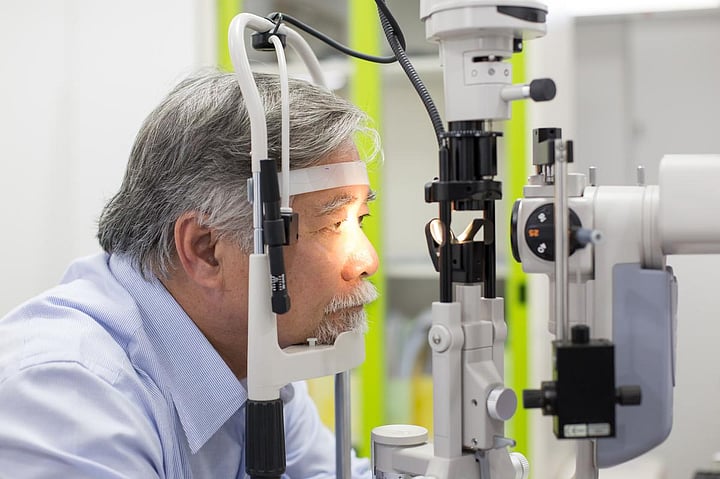 Adobe Stock
 Many people with poor vision have paid almost $13,300 for what later turned out to be bogus treatments, a new international study finds.
British research involving almost 1,000 patients found that about a fifth encountered treatments they deemed fraudulent.
The majority of patients said they’d skipped these types of “treatments,” because they weren’t backed up by evidence.
“What we’ve shown is the importance of helping patients to tell the difference between evidence-based treatments and unsupported company claims,” said study co-leader Lee Jones, a post-doc research fellow in ophthalmology at University College London.
Jones’ team published its findings Sept. 24 in JAMA Ophthalmology.
The researchers queried 955 adults with diagnosed eye conditions treated in the United States or the United Kingdom.
In total, 19% said they’d encountered therapies they thought were bogus, while 1 in 4 who’d had such encounters went ahead with the treatment.
In a majority (58.1%) of cases, the patients first heard about the suspect therapy online, but sometimes their eye specialist had mentioned the treatment. Patients were much more likely to try a dubious therapy if it was recommended by an eye care professional, the study found.
The types of treatments considered included nutritional supplements and vitamins; complementary and alternative therapies (such as acupuncture and homeopathy); regenerative therapies (such as stem cell treatments); and electromagnetic devices and topical ointments.
Eye patients in the United States were more likely to encounter bogus treatments and then try them, compared to British patients, the research showed.
Among those who decided to turn down a treatment, most (80%) cited lack of evidence as their main reason. Many others said they’d heeded advice from a medical profession to stay clear of the suspect therapy.
Among those who got such treatments, a small number said they experienced tough side effects. These included worsening vision and more sight-linked symptoms, as well as poorer health in other ways. Some reported spending lots of money on these fraudulent treatments, as well.
“Our results highlight the importance of clear and evidence-based communication between clinicians and patients as new therapies emerge and online marketing continues to expand across the world,” Jones said in a UCL news release.
More information
There’s reliable advice on vision troubles at the Cleveland Clinic.
SOURCE: University College London, news release, Sept. 24, 2026
Copyright © 2026 HealthDay. All rights reserved.

Know your body better.
Trusted By Thousands Daily

Legal Disclaimer
The content published on Livium Health is for informational and educational purposes only. Nothing on this site constitutes medical advice, diagnosis, or treatment. Always consult a qualified healthcare provider before making decisions about your health, including changes to medications, supplements, diet, or exercise.
Livium Health is not a medical practice and does not have a patient-provider relationship with its readers. We do not sell supplements, medications, or treatments, and we have no financial relationship with the products or services we reference.
While we work to ensure the information we publish is accurate and up to date, health and medical guidance evolves. We make no guarantees about the completeness or currency of any content on this site. Reliance on any information provided by Livium Health is solely at your own risk.
If you are experiencing a medical emergency, call 911 or your local emergency services immediately.
We may receive compensation, free products, or affiliate commissions for products mentioned in this post. Opinions are our own.