
Share
Eye Care
Eye Injuries From Beauty Products Send Thousands To ER Every Year
2 min read
MONDAY, Oct. 12, 2026 (HealthDay News)
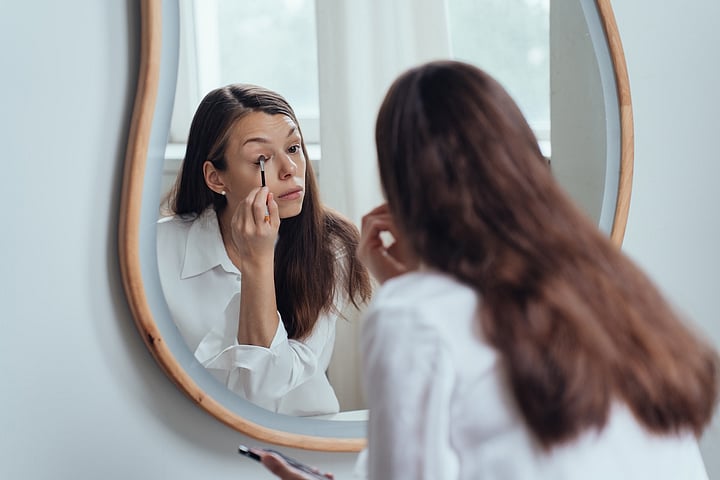 Adobe Stock
 The price of beauty could be your eyesight, a new study warns.
Everyday beauty products send thousands of people to the ER with eye injuries every year, researchers reported at the annual meeting of the American Academy of Ophthalmology (AAO).
These included heated styling tools, facial spray, eyelash glue, hair products, nail cosmetics and eye makeup, researchers said.
“Cosmetic products may seem relatively low risk because they are everyday household items, but when they contact the eye, particularly chemicals or very hot devices, they can cause significant injury,” lead researcher Aatif Syed, a medical student at the University of Missouri-Kansas City, said in a news release.
For the new study, researchers analyzed data from the National Electronic Injury Surveillance System, revealing that nearly 42,500 people landed in U.S. emergency departments with eye injuries from cosmetic and personal care products between 2005 and 2024.
Women and girls accounted for 4 out of 5 (82%) of these eye injuries, the study found.
And while the average age of patients was 24, children 4 and younger made up nearly a quarter of the injury cases, researchers said.
Patterns of injury differed depending on how old the patient was, researchers found.
Chemical burns represented 46% of the injuries to the eyes of patients younger than 18, compared to less than 1% of adults, the study found.
Of all chemical burns treated, 83% were linked to a child getting hold of a cosmetic product, researchers said. These included skin care and fragrances (40%); nail cosmetics (22%); and sprays and shampoo (22%).
Among children 4 and under, 70% were hurt while using a product without supervision.
On the other hand, adults most often suffered cuts, bruises and abrasions to their eyes, amounting to 56% of their eye injuries. Another 22% of cases involved heat burns to the eye.
These results indicate that more care needs to be taken in storing cosmetics and personal care products out of the hands of children, Syed said.
“For children, that means emphasizing safe storage and limiting unsupervised access to cosmetic products, particularly liquids and sprays,” Syed said. “For adolescents and adults, safer handling of heated styling tools and grooming instruments may help reduce injuries.”
The study was presented Thursday at the AAO meeting in New Orleans. Findings presented at medical meetings should be considered preliminary until published in a peer-reviewed journal.
More information
The U.S. Food and Drug Administration has more on eye cosmetic safety.
SOURCE: American Academy of Ophthalmology, news release, Oct. 8, 2026
Copyright © 2026 HealthDay. All rights reserved.

Know your body better.
Trusted By Thousands Daily
Legal Disclaimer
The content published on Livium Health is for informational and educational purposes only. Nothing on this site constitutes medical advice, diagnosis, or treatment. Always consult a qualified healthcare provider before making decisions about your health, including changes to medications, supplements, diet, or exercise.
Livium Health is not a medical practice and does not have a patient-provider relationship with its readers. We do not sell supplements, medications, or treatments, and we have no financial relationship with the products or services we reference.
While we work to ensure the information we publish is accurate and up to date, health and medical guidance evolves. We make no guarantees about the completeness or currency of any content on this site. Reliance on any information provided by Livium Health is solely at your own risk.
If you are experiencing a medical emergency, call 911 or your local emergency services immediately.
We may receive compensation, free products, or affiliate commissions for products mentioned in this post. Opinions are our own.