
Share
Exercise And Fitness
Exercise As Medicine: How Physical Activity Helps Manage Chronic Disease
3 min read
TUESDAY, Oct. 6, 2026 (HealthDay News)
 Adobe Stock
 Chronic diseases such as diabetes, heart disease, high blood pressure, arthritis and certain types of cancer are leading causes of disability and death worldwide. Traditionally, these conditions have been managed through medication, dietary changes and medical interventions.
However, there is a growing recognition of the pivotal role that regular physical activity plays in both the prevention and management of chronic disease — a concept often referred to as “exercise as medicine.”
Physical activity exerts a multitude of beneficial effects on the body. For individuals with type 2 diabetes, exercise improves insulin sensitivity and helps control blood glucose levels, reducing the risk for complications.
Patients with cardiovascular disease who exercise benefit from improved heart function, lowered blood pressure and reduced cholesterol levels. In those with arthritis, regular movement helps maintain joint flexibility, reduce pain and improve overall mobility.
Beyond disease-specific benefits, regular exercise combats systemic inflammation — a key driver in many chronic conditions. It also supports weight management, which is important as obesity is a major risk factor for several chronic diseases. Exercise also enhances mental health, reducing symptoms of depression and anxiety that often accompany chronic illnesses.
There are several reasons that exercise leads to these benefits. On a cellular level, physical activity improves mitochondrial function, your body’s ability to process oxygen and convert substances from the foods you eat into energy. It also improves circulation and promotes the release of endorphins and other neurochemicals that boost mood and reduce pain perception.
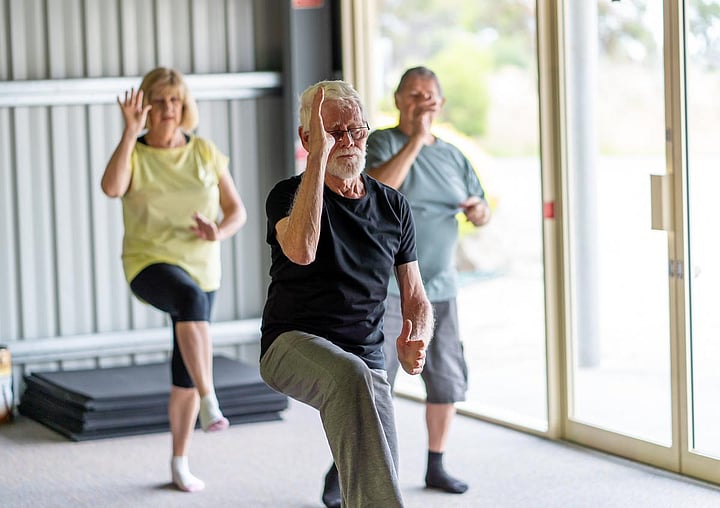
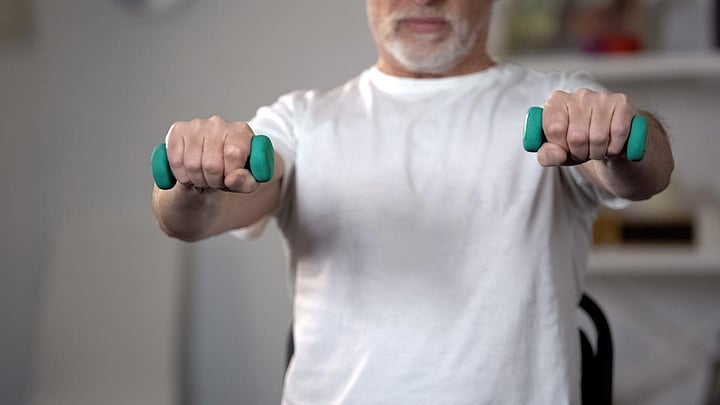
Importantly, exercise prescriptions should be tailored to each individual’s needs, abilities and medical history. For some, this may mean structured aerobic or resistance training, while for others, gentle activities like walking, swimming or yoga may be more appropriate. Even small increases in daily movement can yield significant health improvements.
Healthcare providers are increasingly recognizing the importance of including exercise guidance in treatment plans. Initiatives such as “Exercise is Medicine,” a global movement launched by the American College of Sports Medicine, encourage clinicians to assess and promote physical activity as a standard part of care.
Exercise is a powerful, accessible and cost-effective tool in the management of chronic disease. By adopting physical activity as a cornerstone of therapy, individuals can improve disease outcomes, enhance quality of life and reduce the need for medication.
In the modern era of medicine, exercise is not just an adjunct — it is a vital prescription for long-term health and well-being.
More information
Find out more on exercise as medicine from the American College of Sports Medicine.
SOURCES: BMC Medicine, Nov. 16, 2020; European Heart Journal, Oct. 14, 2023; American Journal of Health Promotion, July 3, 2026; Journal of the American College of Cardiology, Sept. 13, 2022; The Lancet, June 27, 2026; PNAS, March 20, 2026; American College of Sports Medicine; Johns Hopkins Arthritis Center; Mayo Clinic
Copyright © 2026 HealthDay. All rights reserved.

Know your body better.
Trusted By Thousands Daily



Legal Disclaimer
The content published on Livium Health is for informational and educational purposes only. Nothing on this site constitutes medical advice, diagnosis, or treatment. Always consult a qualified healthcare provider before making decisions about your health, including changes to medications, supplements, diet, or exercise.
Livium Health is not a medical practice and does not have a patient-provider relationship with its readers. We do not sell supplements, medications, or treatments, and we have no financial relationship with the products or services we reference.
While we work to ensure the information we publish is accurate and up to date, health and medical guidance evolves. We make no guarantees about the completeness or currency of any content on this site. Reliance on any information provided by Livium Health is solely at your own risk.
If you are experiencing a medical emergency, call 911 or your local emergency services immediately.
We may receive compensation, free products, or affiliate commissions for products mentioned in this post. Opinions are our own.