
Share
Exercise And Fitness
Strength Training 101: A Guide To Building Muscle Safely At Any Age
3 min read
TUESDAY, Sept. 15, 2026 (HealthDay News)
 Adobe Stock
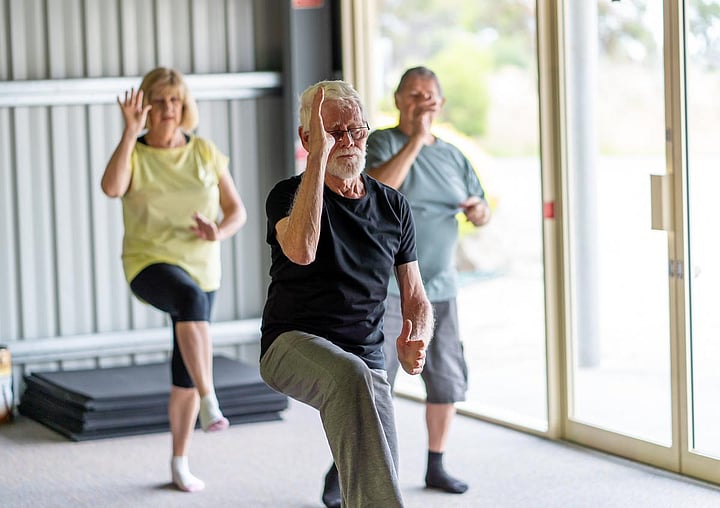
 Strength training is one of the most effective ways to improve your health, boost your metabolism and enhance your quality of life — no matter your age.
As a physician, I can assure you that building muscle is not just for athletes or the young; it’s a vital part of healthy aging, injury prevention and overall wellness. Here’s what you need to know to start strength training safely and effectively at any stage of life.
Why Strength Training Matters
Muscle mass naturally decreases as we age, a process known as sarcopenia. This loss can lead to weakness, instability and a higher risk for falls and fractures. Strength training reverses this trend by stimulating muscle growth, improving bone density and enhancing joint health. Additional benefits include better blood sugar control, improved mood and increased energy levels.
Getting Started: Key Principles
-
Consult your doctor: Especially if you have chronic health conditions or are new to exercise, a medical check-up ensures you’re ready to begin.
-
Start slow: Begin with bodyweight exercises such as squats, push-ups or lunges. Resistance bands and light dumbbells are excellent next steps.
-
Focus on form: Proper technique is crucial. Controlled movements reduce injury risk and maximize muscle engagement. Consider a session with a certified trainer to learn correct form.
-
Progress gradually: Aim for two to three sessions per week, allowing at least one day of rest between workouts. Increase weights or resistance slowly, by about 2% to 5% for upper-body exercises and 5% to 10% for lower-body exercises.
-
Listen to your body: Muscle soreness is normal, but sharp pain or joint discomfort isn’t. If something feels wrong, stop and reassess.
Essential Exercises
A balanced strength program includes exercises for all major muscle groups:
-
Upper body: Push-ups, rows, shoulder presses
-
Lower body: Squats, lunges, calf raises
-
Core: Planks, bridges, abdominal crunches
Safety Tips For All Ages
-
Warm up and cool down: Spend five to 10 minutes on light cardio and stretching before and after each session.
-
Stay hydrated: Drink plenty of water, especially during warmer months.
-
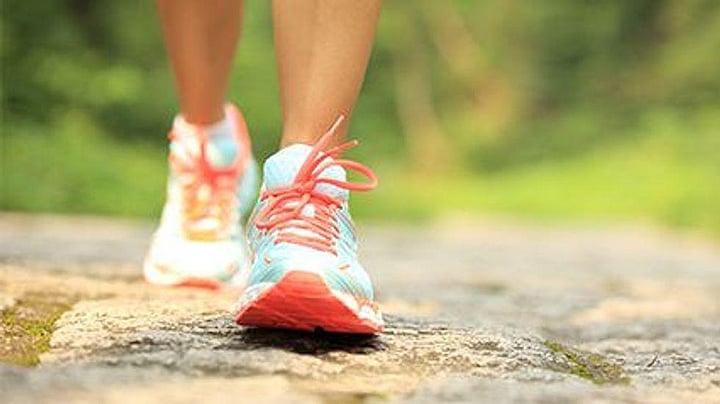
Use proper equipment: Wear supportive shoes and use weights that are appropriate for your ability.
-
Rest and recover: Give muscles time to repair by spacing out workouts and getting enough sleep.
Final Thoughts
Strength training is a lifelong investment. With the right approach, you can build muscle safely, preserve mobility and enjoy a healthier, more active life at any age. Start small, be consistent and remember: It’s never too late to get stronger.
More information
The Cleveland Clinic has more on strength training.
SOURCES: Circulation, June 27, 2024; Nature Reviews Disease Primers, Sept. 19, 2024; Journal of Internal Medicine, October 2021; BMC Geriatrics, June 16, 2026; Medicine & Science in Sports & Exercise, July 2011; Sports Medicine, June 20, 2020; JAMA Psychiatry, June 2018; National Academy of Sports Medicine, July 28, 2026
Copyright © 2026 HealthDay. All rights reserved.
Table of Content

Know your body better.
Trusted By Thousands Daily

Legal Disclaimer
The content published on Livium Health is for informational and educational purposes only. Nothing on this site constitutes medical advice, diagnosis, or treatment. Always consult a qualified healthcare provider before making decisions about your health, including changes to medications, supplements, diet, or exercise.
Livium Health is not a medical practice and does not have a patient-provider relationship with its readers. We do not sell supplements, medications, or treatments, and we have no financial relationship with the products or services we reference.
While we work to ensure the information we publish is accurate and up to date, health and medical guidance evolves. We make no guarantees about the completeness or currency of any content on this site. Reliance on any information provided by Livium Health is solely at your own risk.
If you are experiencing a medical emergency, call 911 or your local emergency services immediately.
We may receive compensation, free products, or affiliate commissions for products mentioned in this post. Opinions are our own.