
Share
Child Health
Wildfire Smoke Increasing At Schools And Childcare Centers Nationwide
2 min read
TUESDAY, Nov. 3, 2026 (HealthDay News)
 Yuri Arcurs peopleimages.com
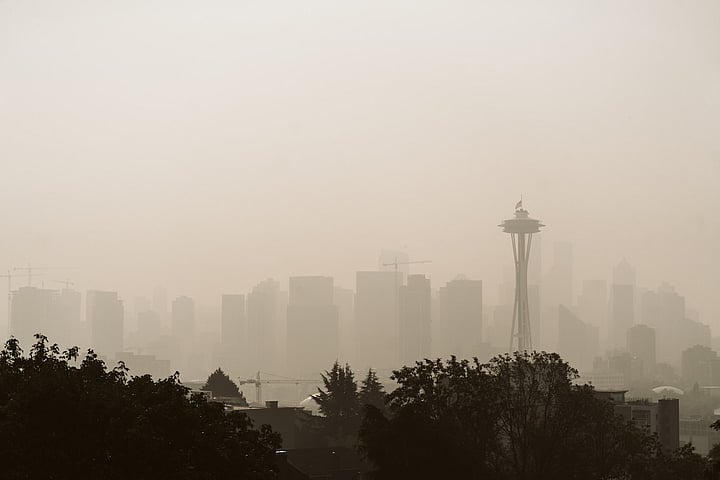
Kids across the U.S. are facing more days of wildfire smoke at school.
And some buildings are failing to keep potentially dangerous pollution out, according to a new study.
“We found that the buildings where children spend much of their day do not consistently protect them from air pollution,” said study author Stephanie Foster of Samaritan Health Services’ Research Development Office in Corvallis, Oregon.
“But educational facilities are places where coordinated preparedness plans, air filtration, indoor air quality monitoring and changes to activities during smoke events could reduce exposure,” she added in a news release.
Researchers analyzed air quality data from more than 100,000 schools and 130,000 childcare centers nationwide.
They found the average number of school days with wildfire smoke in the surrounding air rose from about seven a year in 2006 to 54 in 2023. At childcare centers, the annual average climbed from about nine to 112 days.
Wildfire smoke can travel thousands of miles, carrying fine particles called PM2.5 that can penetrate deep into the lungs and enter the bloodstream. And being indoors doesn’t always guarantee protection.
The study also compared indoor and outdoor air quality at 71 West Coast schools and childcare centers.
“Some schools had higher indoor PM2.5 concentrations than nearby outdoor measurements during smoke days,” said coauthor Molly Kile, an environmental epidemiologist at Oregon State University in Corvallis.
The authors said improved ventilation and portable HEPA filters could help reduce children’s exposure.
The study appears in the Dec. 1 issue of the journal Environmental Research.
More information
The U.S. Centers for Disease Control and Prevention has more on air pollution.
SOURCE: HealthDay TV, Nov. 3, 2026
Copyright © 2026 HealthDay. All rights reserved.

Know your body better.
Trusted By Thousands Daily





Legal Disclaimer
The content published on Livium Health is for informational and educational purposes only. Nothing on this site constitutes medical advice, diagnosis, or treatment. Always consult a qualified healthcare provider before making decisions about your health, including changes to medications, supplements, diet, or exercise.
Livium Health is not a medical practice and does not have a patient-provider relationship with its readers. We do not sell supplements, medications, or treatments, and we have no financial relationship with the products or services we reference.
While we work to ensure the information we publish is accurate and up to date, health and medical guidance evolves. We make no guarantees about the completeness or currency of any content on this site. Reliance on any information provided by Livium Health is solely at your own risk.
If you are experiencing a medical emergency, call 911 or your local emergency services immediately.
We may receive compensation, free products, or affiliate commissions for products mentioned in this post. Opinions are our own.