
Share
Cancer
Aspirin’s Role In Colon Cancer May Depend On Disease Stage
2 min read
TUESDAY, Oct. 6, 2026 (HealthDay News)
 Adobe Stock
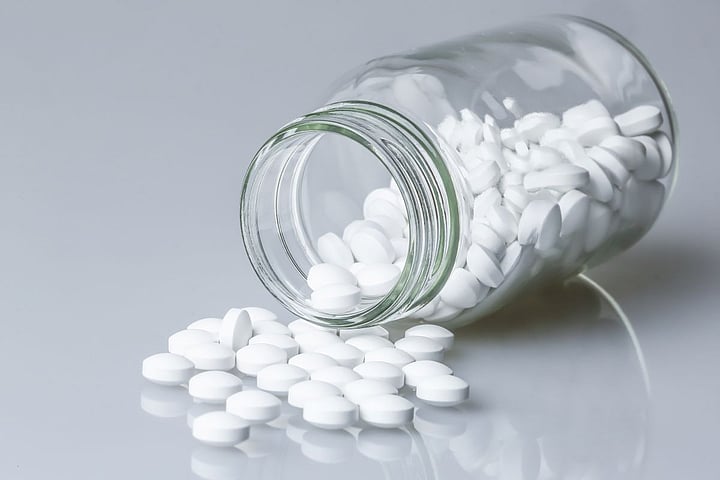
 Aspirin has drawn considerable interest for its potential to lower a person’s risk of developing colon cancer and keep it from coming back.
But whether it helps may depend on the stage of the disease.
“Aspirin is a well-established, inexpensive and widely available drug, and there is considerable interest in whether it can also reduce the risk of cancer recurrence,” said lead author Dr. Sheraz Yaqub of the University of Oslo in Norway. “Our findings demonstrate why such treatments must be tested in rigorous randomized trials before being adopted for new patient populations.”
Scandinavian researchers studied 428 patients who underwent treatment for colon cancer that had spread to the liver.
Participants received either daily aspirin or a placebo for up to three years afterwards.
The result: Aspirin did not reduce the risk of the cancer returning or death.
Serious adverse events were also more common, including bleeding, heart attacks and ulcers.
In contrast, another recent trial found aspirin actually reduced recurrence in certain patients with non-metastatic colon cancer.
“The anticancer effects of aspirin may depend on the biological and clinical context,” said co-principal investigator Dr. Kjetil Taskén, also from the University of Oslo.
One caveat: The trial only looked at starting aspirin after treatment for colon cancer that had spread to the liver.
The authors said patients already taking aspirin for another medical reason should consult their doctor before making changes.
The study was recently published in The Lancet Gastroenterology & Hepatology.
More information
The National Cancer Institute has more on colorectal cancer.
SOURCE: HealthDay TV, Oct. 6, 2026
Copyright © 2026 HealthDay. All rights reserved.

Know your body better.
Trusted By Thousands Daily







Legal Disclaimer
The content published on Livium Health is for informational and educational purposes only. Nothing on this site constitutes medical advice, diagnosis, or treatment. Always consult a qualified healthcare provider before making decisions about your health, including changes to medications, supplements, diet, or exercise.
Livium Health is not a medical practice and does not have a patient-provider relationship with its readers. We do not sell supplements, medications, or treatments, and we have no financial relationship with the products or services we reference.
While we work to ensure the information we publish is accurate and up to date, health and medical guidance evolves. We make no guarantees about the completeness or currency of any content on this site. Reliance on any information provided by Livium Health is solely at your own risk.
If you are experiencing a medical emergency, call 911 or your local emergency services immediately.
We may receive compensation, free products, or affiliate commissions for products mentioned in this post. Opinions are our own.