
Share
Cancer
Mindfulness, Tai Chi Can Ease Pain, Fatigue Among Cancer Survivors
2 min read
TUESDAY, Sept. 22, 2026 (HealthDay News)
 Adobe Stock
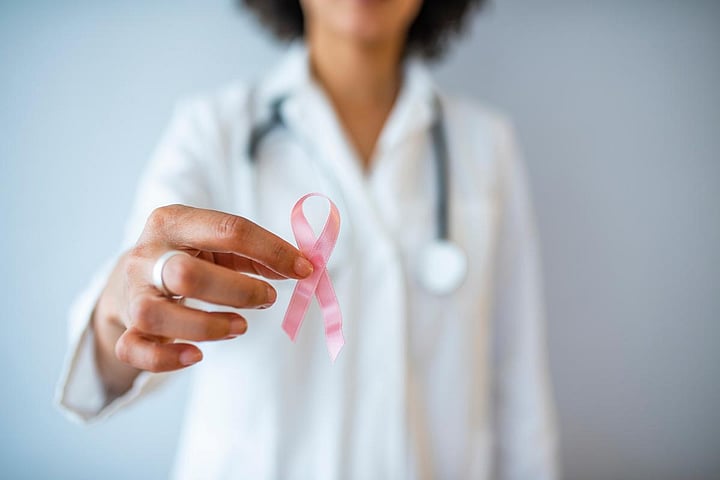
 Mindfulness meditation or tai chi can help cancer survivors feel better, a new study says.
Patients had less pain, fatigue and sleep problems after participating in mindfulness sessions or ancient Chinese mind-body practices of tai chi and qigong, researchers reported Sept. 16 in the Journal of Clinical Oncology.
“These findings reinforce the value of a whole-person approach to cancer survivorship care,” said senior researcher Peter Wayne, director of the Osher Center for Integrative Health at Mass General Brigham in Boston.
“We found that both mindfulness-based cancer recovery and tai chi/qigong helped participants manage some of the most common and burdensome challenges faced after cancer treatment, including fatigue, pain and, in the case of tai chi/qigong, sleep difficulties,” Wayne said in a news release.
For the study, nearly 600 cancer survivors with varying types and stages of cancer were given the option of choosing between mindfulness-based cancer recovery or tai chi/qigong sessions.
The mindfulness program involved meditation practices, breathing techniques, gentle stretching and group discussion of attitudes like acceptance and compassion, researchers said.
Meanwhile, tai chi and qigong incorporate gentle flowing movements with heightened attention to body sensations and breathing. The aim is to help patients regulate their thoughts and emotions.
Results showed that both practices lowered the interference of pain on a person’s daily life.
Sleep quality and fatigue also improved, likely because they tend to cluster with pain, researchers said. When one symptom improved — be it pain, sleep or fatigue — the other two did as well.
Specifically, mindfulness improved fatigue and pain interference, while tai chi/qigong improved all three symptoms, the study says.
“More and more people with cancer are surviving longer term, but often, they are struggling with long-term side effects that can be difficult to manage,” lead researcher Linda Carlson, a professor at the University of Calgary, said in a news release.
“This study highlights that the cancer experience doesn’t just end for survivors after active treatment is done, and we hope it starts a conversation amongst medical teams about how to incorporate these mind-body therapies into overall cancer care,” Carlson concluded.
More information
The American Cancer Society has more about mind-body medicine for cancer care.
SOURCE: Brigham and Women’s Hospital, news release, Sept. 16, 2026
Copyright © 2026 HealthDay. All rights reserved.

Know your body better.
Trusted By Thousands Daily








Legal Disclaimer
The content published on Livium Health is for informational and educational purposes only. Nothing on this site constitutes medical advice, diagnosis, or treatment. Always consult a qualified healthcare provider before making decisions about your health, including changes to medications, supplements, diet, or exercise.
Livium Health is not a medical practice and does not have a patient-provider relationship with its readers. We do not sell supplements, medications, or treatments, and we have no financial relationship with the products or services we reference.
While we work to ensure the information we publish is accurate and up to date, health and medical guidance evolves. We make no guarantees about the completeness or currency of any content on this site. Reliance on any information provided by Livium Health is solely at your own risk.
If you are experiencing a medical emergency, call 911 or your local emergency services immediately.
We may receive compensation, free products, or affiliate commissions for products mentioned in this post. Opinions are our own.