
Share
Cancer
FDA Panel Narrowly Backs Multi-Cancer Blood Test Despite Doubts It Works
3 min read
THURSDAY, Sept. 24, 2026 (HealthDay News)
 Adobe Stock
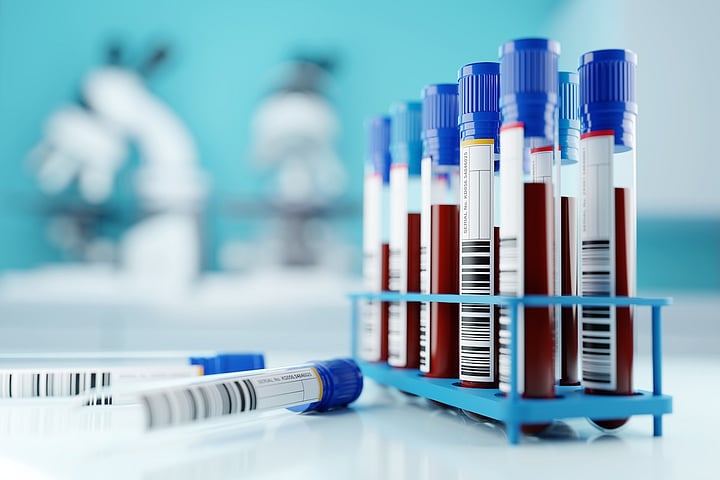
 A blood test that aims to catch more than 50 types of cancer before symptoms appear narrowly won the backing of U.S. Food and Drug Administration (FDA) advisers Wednesday, even as several doubted it works.
The test, called Galleri, looks for bits of DNA in the blood that may signal cancer. Its maker, Grail, says it can spot cancers of the stomach, bladder, colon, skin and breast, among others, reports The Washington Post.
Galleri has been sold in the United States since 2021 without FDA approval and costs nearly $1,000. Grail applied for approval in February and says the test, meant for adults 50 and older, shouldn’t replace standard screenings.
The FDA’s 10-member advisory committee declared in a 6-4 vote that the test is effective.
On whether its benefits outweigh its risks, members voted 7-2, with one abstention. All agreed it’s safe.
Some members said finding cancers that have no screening option today made the test worth backing, but others voted yes with open reservations, The Post reported.
“If we can find more Stage 1 or more early-stage cancers in a population that we can’t screen for currently, then that will end up having benefit,” said committee member Dr. Victor van Berkel, division chief of thoracic surgery at the University of Louisville in Kentucky. “But I don’t know that that’s been proven yet. So perhaps my ‘yes’ is a hopeful [vote] rather than an accurate one.”
Much of that doubt traces to a trial with England’s National Health Service (NHS) involving more than 140,000 people.
The trial’s main goal was to lower the rate of stage 3 and 4 diagnoses across 12 cancers. It didn’t, Grail announced earlier this year.
Other research paints a more hopeful picture. In a Grail-funded study published Sept. 22 in Nature Medicine, researchers tested more than 32,000 adults 50 and older with no signs of cancer.
About 6 in 10 people who got a positive result turned out to have cancer. More than half of the new cancers the test caught were early stage, and most were types that have no routine screening.
Dr. William Dahut, chief scientific officer of the American Cancer Society, told the committee that testing for many cancers at once is more efficient than building a separate test for each one.
“No screening test is perfect,” he said. “… but if we sit in a room for the next 20 years trying to find the perfect test, we have a large possibility we’re going to lead to more cancer deaths.”
Dr. Emil Lou, an oncologist at the University of Minnesota, warned that the test can still raise false alarms, which may lead to stress and needless procedures. It can also miss cancers, giving people false comfort, he said.
Dr. Scott Ramsey, a researcher at Fred Hutchinson Cancer Center in Seattle, said the NHS results call the test’s early-detection value into question.
“There’s no proof that this is going to reduce your risk of dying from cancer,” Ramsey said. “If you have a negative test, you should not feel reassured [and] continue with [cancer screenings] that have been proven.”
Grail’s proposed label would say a negative result doesn’t rule out cancer, a positive one needs follow-up testing and isn’t a diagnosis, and the test can miss cancers or give false results.
The FDA often follows its advisers but makes its own call. Grail expects a final decision on FDA approval in the coming months.
More information
Visit the American Cancer Society for more information about recommended cancer screenings.
SOURCES: The Washington Post, Sept. 24, 2026; Nature Medicine, Sept. 22, 2026
Copyright © 2026 HealthDay. All rights reserved.

Know your body better.
Trusted By Thousands Daily



Legal Disclaimer
The content published on Livium Health is for informational and educational purposes only. Nothing on this site constitutes medical advice, diagnosis, or treatment. Always consult a qualified healthcare provider before making decisions about your health, including changes to medications, supplements, diet, or exercise.
Livium Health is not a medical practice and does not have a patient-provider relationship with its readers. We do not sell supplements, medications, or treatments, and we have no financial relationship with the products or services we reference.
While we work to ensure the information we publish is accurate and up to date, health and medical guidance evolves. We make no guarantees about the completeness or currency of any content on this site. Reliance on any information provided by Livium Health is solely at your own risk.
If you are experiencing a medical emergency, call 911 or your local emergency services immediately.
We may receive compensation, free products, or affiliate commissions for products mentioned in this post. Opinions are our own.