
Share
Cancer
Most Women Know About Breast Cancer Risk Factors, But Fewer Act On It
3 min read
MONDAY, Oct. 5, 2026 (HealthDay News)
 Adobe Stock
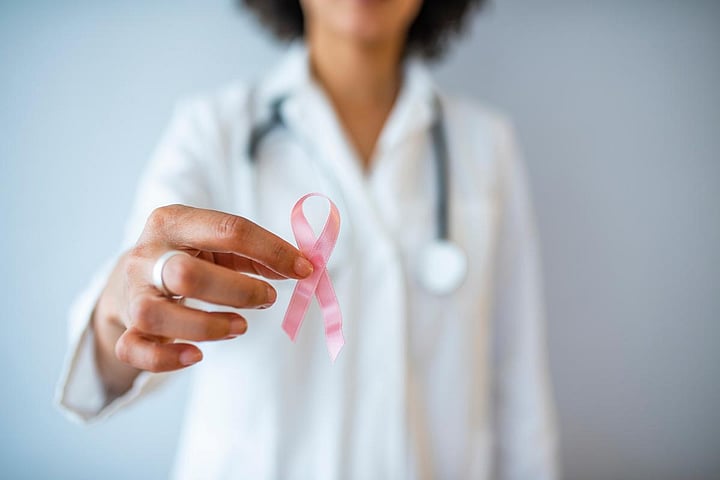
 In a new survey, most U.S. women understood factors important to breast cancer risk, but only a minority were taking action to help lower those risks.
“Knowing your risk factors isn’t the same as acting on them, and this gap is the real story here,” said Alpa Patel, senior vice president of population science at the American Cancer Society (ACS), which sponsored the survey.
“It’s not enough to raise awareness — we have to understand whether awareness translates into action, and how we can help women close the distance,” she said in an ACS news release.
Breast cancer is the second most commonly diagnosed cancer in women (after skin cancer), according to the ACS, and about 1 in every 8 women will develop the disease in their lifetime.
In 2026, it’s expected that almost 322,000 U.S. women will be given a diagnosis of invasive breast cancer, and more than 42,000 lives will be lost to the disease.
However, the ACS estimates that 30% of cases are preventable through the adoption of healthy behaviors that could reduce a woman’s risk.
The new survey was published Oct. 1 and involved 33,000 American women. The women were already enrolled in a major ACS cancer prevention study, so it’s thought their awareness of breast cancer may be higher than that of the general population.
The survey found that almost all women (99%) already know that family history of the disease can impact their odds of breast cancer. But the ACS noted that family history isn’t everything: 85% of breast cancers occur in women with no family history of the disease.
While 91% of women surveyed knew that exercise could help prevent breast cancer, only 27% met the society’s recommended 150 to 300 minutes of moderate-intensity activity (or 75 to 150 minutes of vigorous-intensity activity) each week.
A similar gap in awareness and action held for alcohol consumption. Even though 85% understood that drinking could raise their odds of breast cancer, 69% reported some level of alcohol intake.
Many women (45% of those surveyed) were unaware that breastfeeding lowers a woman’s odds of breast cancer.
The ACS said certain risk factors for breast cancer cannot be modified. These include being female; aging (most breast cancers occur at age 55 or older); race/ethnicity; inherited genes predisposing to breast cancer; dense breast tissue; and prior radiation to the chest area.
The ACS has developed an online tool, ACS CancerRisk360, that can help users assess their personal cancer risk.
More information
There’s more on breast cancer risk factors at the U.S. Centers for Disease Control and Prevention.
SOURCE: American Cancer Society, news release, Oct. 1, 2026
Copyright © 2026 HealthDay. All rights reserved.

Know your body better.
Trusted By Thousands Daily







Legal Disclaimer
The content published on Livium Health is for informational and educational purposes only. Nothing on this site constitutes medical advice, diagnosis, or treatment. Always consult a qualified healthcare provider before making decisions about your health, including changes to medications, supplements, diet, or exercise.
Livium Health is not a medical practice and does not have a patient-provider relationship with its readers. We do not sell supplements, medications, or treatments, and we have no financial relationship with the products or services we reference.
While we work to ensure the information we publish is accurate and up to date, health and medical guidance evolves. We make no guarantees about the completeness or currency of any content on this site. Reliance on any information provided by Livium Health is solely at your own risk.
If you are experiencing a medical emergency, call 911 or your local emergency services immediately.
We may receive compensation, free products, or affiliate commissions for products mentioned in this post. Opinions are our own.