
Share
Longevity & Aging
Men's Health
Women's Health
Heart rate variability: The single metric that summarizes everything else
5 min read
Key takeaways
- HRV (heart rate variability) measures the variation in time between consecutive heartbeats. Higher variability means the autonomic nervous system is adaptable and recovery is strong.
- HRV integrates sleep quality, stress load, hormonal status, cardiovascular fitness, and illness into a single daily number. Nothing else captures that much in one measurement.
- Personal baseline trend matters far more than any absolute number. A 45-year-old with an HRV of 55 ms may be in better cardiovascular shape than a 25-year-old with the same number.
- When HRV drops without an obvious behavioral cause, bloodwork is the next step. HRV is the warning light. Blood panels are the diagnostic code behind it.
One number that reflects everything the body is juggling overnight
The heart does not beat with metronomic regularity. It should not. A heart beating in perfect lockstep intervals is a sign of a poorly regulated nervous system. Healthy hearts vary the interval between beats constantly, by tens of milliseconds, in response to respiration, hormonal signals, and neural input. That variability is HRV, a proxy for the flexibility of the entire system behind it.
When sleep is restorative, the parasympathetic nervous system dominates overnight. Variability is high. Recovery is happening. When stress is elevated, illness is beginning, training load is excessive, or hormones are disrupted, sympathetic tone rises, and variability falls. The body is in maintenance mode rather than repair mode.
What makes HRV unusually useful is that it integrates all of those variables simultaneously. Poor sleep, low testosterone, subclinical infection, overtraining, and chronic stress all suppress HRV through different pathways and produce the same directional signal. The number drops. That alone is the signal to look.
Which device to use
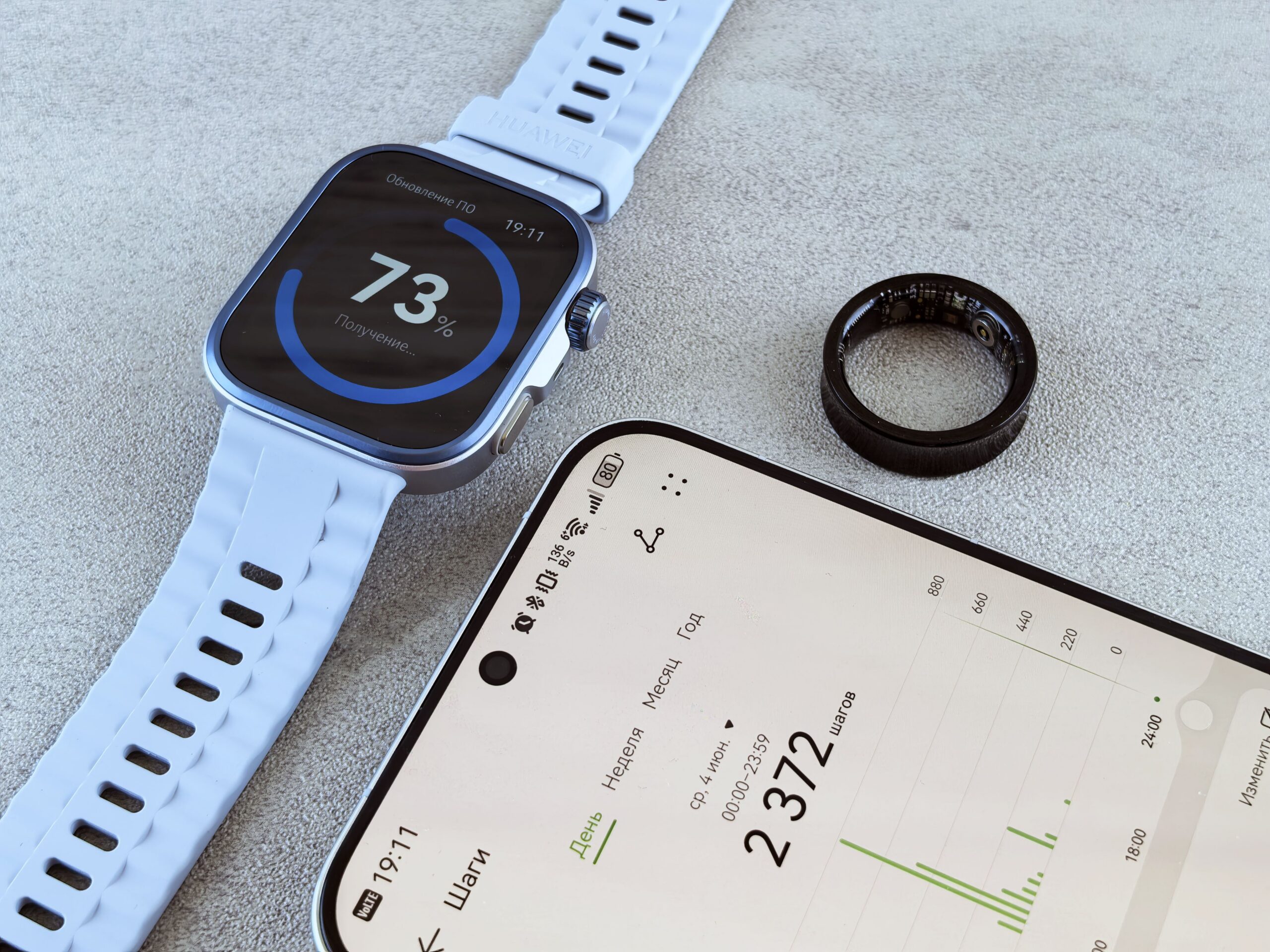
The two most reliable consumer options are the Oura Ring Gen 3 and the WHOOP Band. Oura is a ring form factor that most people forget they are wearing within a few hours. It adds SpO2 and skin temperature trend to the HRV picture. WHOOP produces more granular strain and recovery data and is better suited to anyone training seriously. Pick one and wear it every night for 60 days before drawing any conclusions from the data.
How to read HRV data correctly
Establish a personal baseline first. HRV norms vary enormously by age, fitness, and genetics. An absolute number means nothing in isolation. Sixty days of data produce a personal baseline. Deviations from that baseline are what matter.
Acute drops are informative, not alarming. A hard training session, one night of poor sleep, or alcohol each reliably drops HRV the following morning. The system is absorbing a load. Recovery follows.
Sustained drops are the signal. HRV running more than 15 percent below baseline for 7 to 14 consecutive days without a clear behavioral explanation is the pattern that warrants investigation. Something systemic is suppressing recovery.
The highest-leverage interventions
Zone 2 aerobic training. 150 minutes per week at a conversational pace. The single most reliable HRV-raising intervention in the literature over 12 weeks.
Alcohol removal. Even one drink drops HRV the following morning. Remove it for two weeks and watch the trend. One of the most immediate and reproducible experiments anyone can run with a wearable.
Magnesium glycinate before bed. Modulates GABA receptors and reduces overnight sympathetic activation. Modest but consistent HRV benefit with zero downside risk. Pure Encapsulations Magnesium Glycinate at 200-400 mg is under $30 per month.
Omega-3 fatty acids. EPA and DHA reduce systemic inflammation (as measured by hs-CRP), one of the most common drivers of chronic HRV suppression. Nordic Naturals Ultimate Omega at 2,000 mg EPA/DHA daily. Takes 8 to 12 weeks to produce a measurable anti-inflammatory effect.
The Livium recipe
Tool. An Oura Ring or a WHOOP Band worn every night for 60 days. When HRV is sustained below baseline after ruling out obvious behavioral causes, request a comprehensive blood panel covering cortisol, testosterone, CRP, thyroid, and ferritin. Those five markers explain the majority of sustained HRV suppression in midlife adults.
Behavior. Pick the two interventions from the list above that are not currently in place and run them for four weeks while watching the trend. Magnesium glycinate and omega-3s cover the supplementation side. Zone 2 training and alcohol removal cover the behavioral side.
Threshold. After 12 weeks, HRV baseline trending upward at roughly 5 to 10 percent. If it has not moved despite addressing sleep, training, alcohol, and temperature, the answer is in the bloodwork.
What raises and what lowers HRV
| Raises HRV | Lowers HRV acutely | Lowers HRV chronically |
|---|---|---|
| Consistent sleep timing | Hard training session | Low testosterone or estrogen |
| Zone 2 aerobic training | Alcohol (even one drink) | Elevated CRP / systemic inflammation |
| Sleep temperature optimization | Poor night of sleep | Chronically elevated cortisol |
| Magnesium glycinate before bed | Late or large dinner | Untreated sleep apnea |
| Omega-3 supplementation | Subclinical illness | Low ferritin/iron deficiency |
Source: Livium editorial synthesis based on American Heart Association HRV resources.
Plan of action
- Start with an Oura Ring Gen 3 or WHOOP Band. Wear it every night for 60 days before drawing any conclusions from the numbers.
- Identify the two biggest acute suppressors from the table above. Alcohol and late dinners most predictably move the number. Removing both for two weeks produces near-immediate feedback.
- If HRV is chronically suppressed, request a blood panel covering cortisol, free testosterone, CRP, ferritin, and thyroid. Those five explain the majority of sustained suppression in midlife adults.
Table of Content

Know your body better.
Trusted By Thousands Daily





FAQs
What HRV is considered low in your 40s?
Population averages for adults aged 40 to 50 typically range from 35 to 65 ms. Individual variation is enormous. What matters is the personal baseline. A sustained drop of more than 15 percent from the 30-day average without a clear cause is the flag to investigate, regardless of the absolute number.
Can HRV be significantly improved without medication?
Yes. Zone 2 training is the most reliable intervention. Alcohol elimination, sleep timing discipline, and magnesium each contribute meaningfully. A 20 to 40 percent improvement in HRV baseline over six months is achievable without pharmacological intervention for most people starting from an unoptimized baseline.
How quickly does HRV respond to lifestyle changes?
Some interventions affect HRV almost immediately. Alcohol elimination, improved sleep timing, and earlier dinners can produce noticeable improvements within days. Other changes, such as Zone 2 aerobic training, omega-3 supplementation, and correcting hormone or nutrient deficiencies, typically take several weeks to months to shift baseline HRV. Acute day-to-day fluctuations are normal, which is why trends measured over 30 to 60 days are more meaningful than any single night’s reading.
Legal Disclaimer
The content published on Livium Health is for informational and educational purposes only. Nothing on this site constitutes medical advice, diagnosis, or treatment. Always consult a qualified healthcare provider before making decisions about your health, including changes to medications, supplements, diet, or exercise.
Livium Health is not a medical practice and does not have a patient-provider relationship with its readers. We do not sell supplements, medications, or treatments, and we have no financial relationship with the products or services we reference.
While we work to ensure the information we publish is accurate and up to date, health and medical guidance evolves. We make no guarantees about the completeness or currency of any content on this site. Reliance on any information provided by Livium Health is solely at your own risk.
If you are experiencing a medical emergency, call 911 or your local emergency services immediately.
We may receive compensation, free products, or affiliate commissions for products mentioned in this post. Opinions are our own.