
Share
Men's Health
Peptides
Women's Health
A drug for hunger after brain injury: The setmelanotide trial that rewired the obesity story
4 min read
Key takeaways
- Acquired hypothalamic obesity can follow damage to brain circuits that regulate hunger and body weight.
- Setmelanotide activates the melanocortin-4 receptor, targeting a pathway downstream of hypothalamic appetite signaling.
- In the 2026 TRANSCEND phase 3 trial, BMI fell 16.5% with setmelanotide and rose 3.3% with placebo at 52 weeks.
- The result applies to a specific disease state after hypothalamic injury, not ordinary obesity or everyday hunger.
Some obesity begins with damaged signaling, not failed discipline
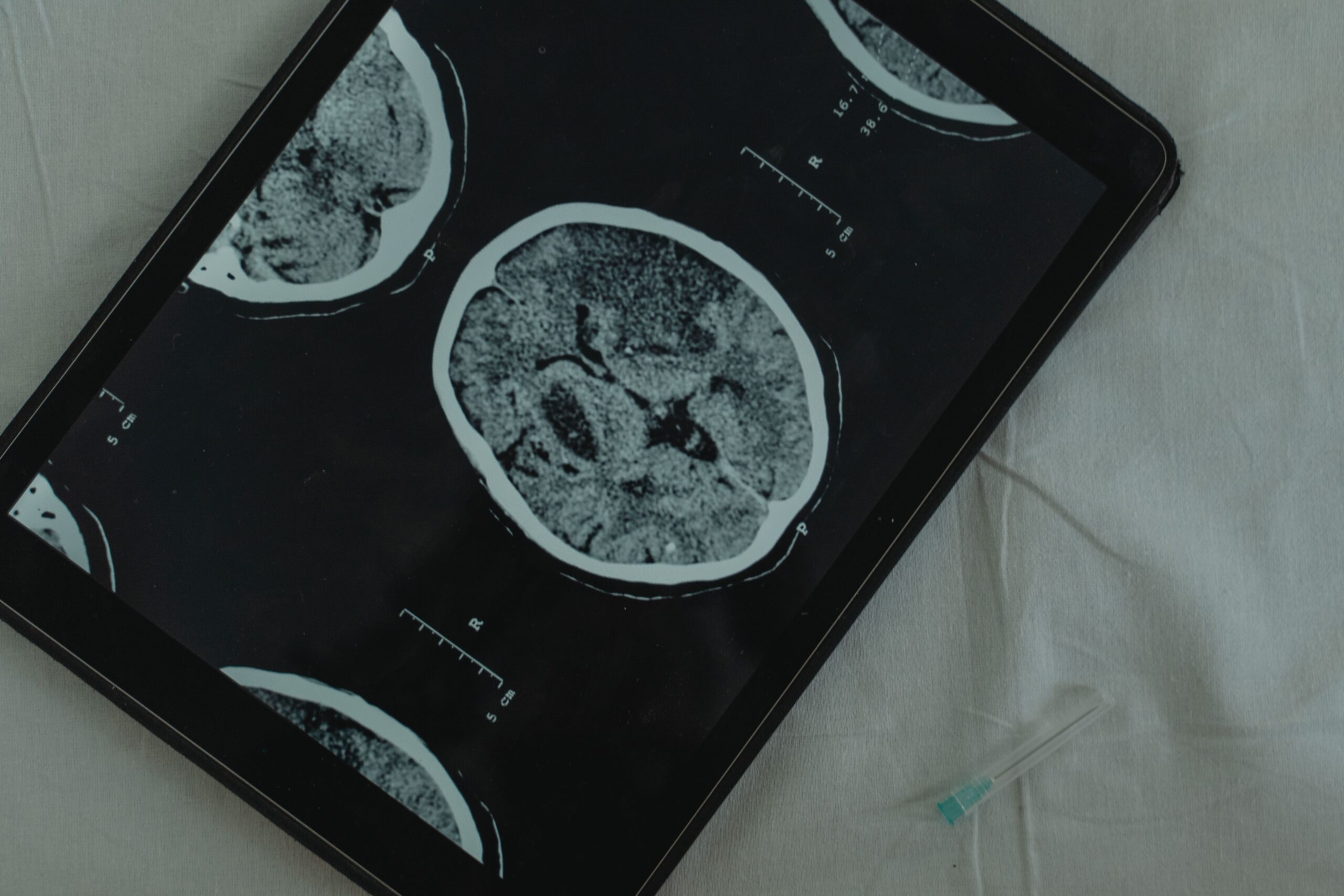
The hypothalamus integrates hormonal and neural information about energy stores and hunger. Damage from a tumor, surgery, radiation, or another lesion can disrupt those circuits and produce acquired hypothalamic obesity.
People can experience severe hunger and rapid weight gain that resists conventional approaches. That makes this condition a useful test of whether obesity treatment can target a specific broken pathway.
The 2026 phase 3 result was unusually large for this rare condition
TRANSCEND randomized 120 participants aged 4 to 66 with acquired hypothalamic obesity to daily setmelanotide or placebo. At 52 weeks, least-squares mean BMI change was minus 16.5% with setmelanotide and plus 3.3% with placebo.
Maximum daily hunger scores also fell more with setmelanotide. The most common adverse effects included skin hyperpigmentation, nausea, vomiting, and headache. Serious adverse events were reported more often in the treatment group than placebo, underscoring that this is medical therapy, not a wellness peptide.
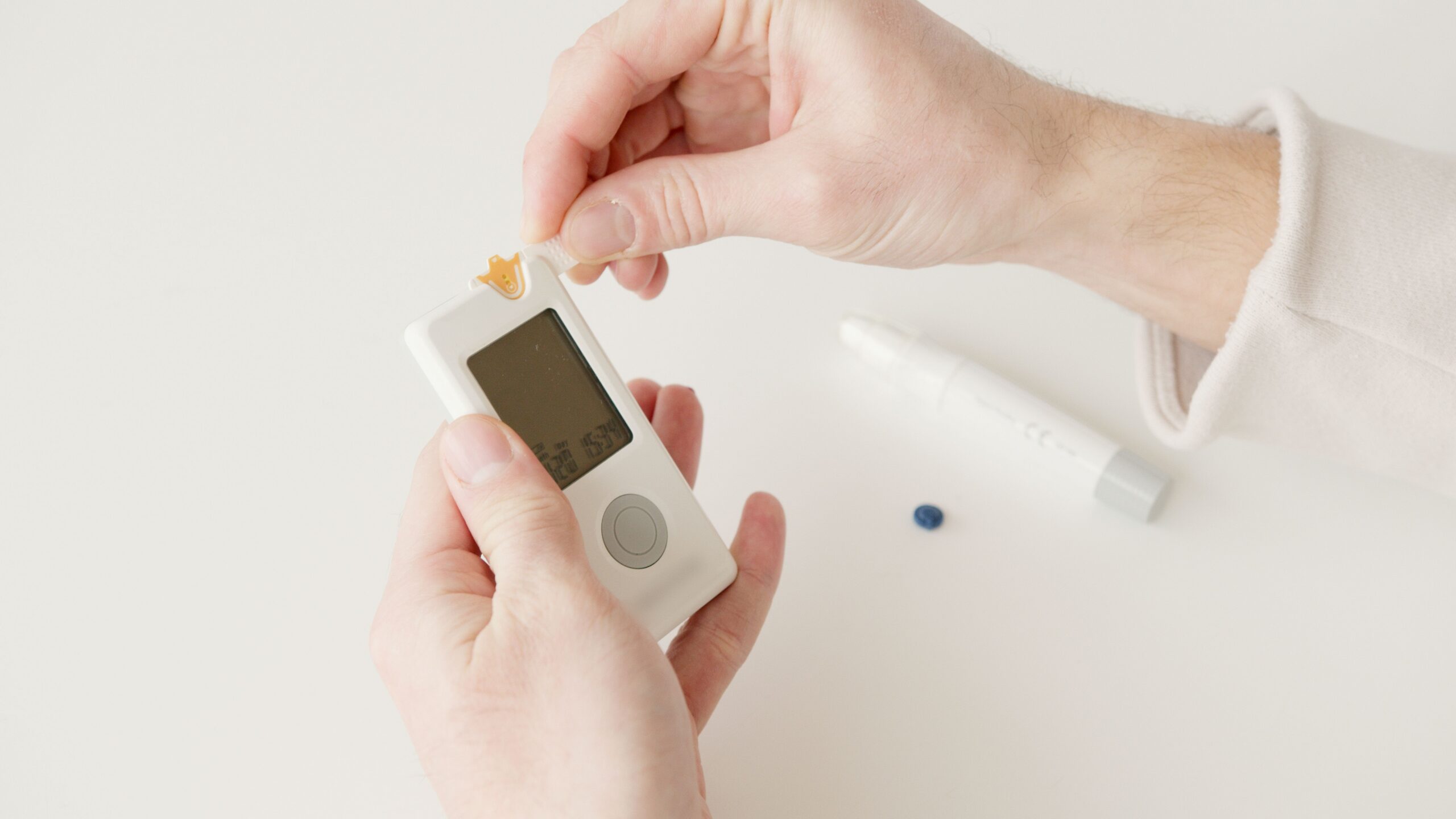
A hunger and symptom notebook can help document hunger intensity and treatment effects in a structured clinical plan.

MC4R sits downstream of the hunger conversation
Setmelanotide is a melanocortin-4 receptor agonist. The MC4R pathway is a central node in the brain’s regulation of appetite and energy balance, which is why rare genetic defects in this system can produce severe obesity.
Acquired hypothalamic injury can impair upstream signaling. Activating MC4R offers a way to intervene farther downstream rather than simply telling someone to resist hunger generated by abnormal neural biology.
A portion container can support regular meals, while a water bottle supports hydration, but behavioral tools cannot repair hypothalamic circuitry.
Precision medicine is the important part of the story
This trial should not be read as evidence that everyone with obesity needs an MC4R drug. The participants had a defined history of hypothalamic tumor, lesion, or injury and severe obesity.
The broader lesson is that obesity is not one disease mechanism. As pathways become better characterized, treatment may increasingly depend on phenotype and cause rather than body-mass index alone.
A home scale can document long-term trends when a care team requests them, and a routine timer can support consistent medication timing.
What to watch next
The next useful evidence is not another mechanism diagram. It is larger, longer trials that show whether the effect persists, whether people function better, and whether adverse effects remain acceptable outside a tightly controlled study.
That distinction matters especially in emerging therapy. A compelling biological target can be real while the eventual drug still fails on tolerability, durability, manufacturing, or outcomes that patients actually notice.
The Livium recipe
Tool. Treat extreme hunger after hypothalamic injury as a medical symptom, not a motivation problem.
Behavior. Use specialist care to match therapy to the underlying pathway.
Threshold. Setmelanotide is prescription treatment for specific indications and is not appropriate for self-experimentation.
| TRANSCEND outcome at 52 weeks | Setmelanotide | Placebo |
|---|---|---|
| BMI change | -16.5% | +3.3% |
| Maximum daily hunger score | -2.73 | -1.45 |
| Participants | 81 | 39 |
| Common treatment effects | Hyperpigmentation, nausea, vomiting, headache | Fewer treatment-related effects |
Source: Miller et al., New England Journal of Medicine, 2026.
Hunger deserves to be measured like any other symptom
Severe, persistent hunger is often described morally rather than clinically. The setmelanotide trial used a structured hunger score because the intensity of the drive to eat is itself an outcome when hypothalamic signaling is damaged.
That framing is important beyond this rare condition. It reminds us that appetite is biological information, even when behavior and environment also influence what someone ultimately eats.
Rare-disease trials can teach broader biology without creating a broad indication
A dramatic response in a pathway-defined disease can validate the biology of that pathway. It does not mean the same intervention will produce the same result in common obesity, where the underlying causes are more heterogeneous.
That is the promise of precision medicine: use a strong mechanism where it actually fits instead of stretching one drug across every person who shares a visible symptom.
Plan of action
- Separate approved treatment from investigational therapy before acting on a headline.
- Track functional and health outcomes, not only weight or one laboratory number.
- Protect nutrition, movement, sleep, and hydration while using any prescribed metabolic therapy.
- Avoid unregulated research-chemical versions of drugs or peptides still in development.
Table of Content

Know your body better.
Trusted By Thousands Daily





FAQs
What is acquired hypothalamic obesity?
It is severe weight gain and dysregulated hunger that can occur after tumors, surgery, radiation, or other injury involving the hypothalamus.
What does setmelanotide target?
It activates the melanocortin-4 receptor, or MC4R, a key receptor in central appetite and energy-balance signaling.
Can setmelanotide be used for ordinary obesity?
The TRANSCEND trial studied acquired hypothalamic obesity specifically, so its results should not be generalized to routine obesity treatment.
Legal Disclaimer
The content published on Livium Health is for informational and educational purposes only. Nothing on this site constitutes medical advice, diagnosis, or treatment. Always consult a qualified healthcare provider before making decisions about your health, including changes to medications, supplements, diet, or exercise.
Livium Health is not a medical practice and does not have a patient-provider relationship with its readers. We do not sell supplements, medications, or treatments, and we have no financial relationship with the products or services we reference.
While we work to ensure the information we publish is accurate and up to date, health and medical guidance evolves. We make no guarantees about the completeness or currency of any content on this site. Reliance on any information provided by Livium Health is solely at your own risk.
If you are experiencing a medical emergency, call 911 or your local emergency services immediately.
We may receive compensation, free products, or affiliate commissions for products mentioned in this post. Opinions are our own.