Prolonged grief disorder (PGD) was added to the DSM-5-TR in 2022. It is distinct from normal grief and from major depressive disorder. It responds to different treatments.
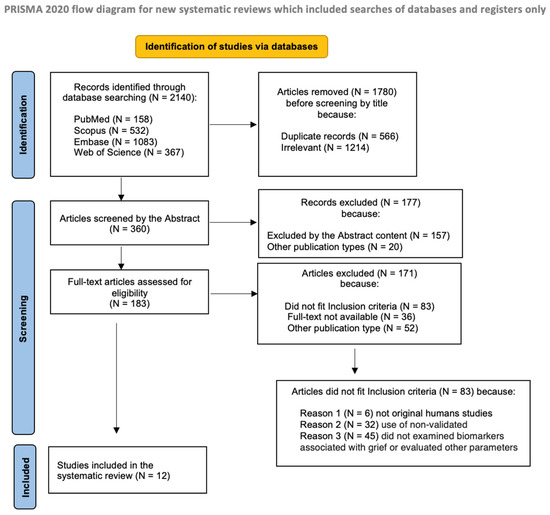
Grief that persists at disabling intensity beyond 12 months (6 months in children) produces measurable changes in cortisol, inflammatory markers, immune function, cardiovascular risk, and sleep architecture.
Men are more likely to develop complicated grief after spousal loss and less likely to seek or receive treatment for it. Grief is the mental health condition with the largest sex-treatment gap.
Grief-focused cognitive behavioral therapy and complicated grief treatment (CGT) have published efficacy data. Standard antidepressants do not effectively treat PGD in the absence of comorbid major depressive disorder.
Normal grief and the grief that does not move
Normal grief is not comfortable. It is also not static. It moves. The acute intensity of early loss typically begins to integrate over weeks to months, not disappearing but becoming less globally disabling and more intermittent. The person returns to some functional baseline. Activities resume. The loss remains, but the acute pain begins to allow space for living around it.
Prolonged grief disorder is distinguished by grief that does not move. More than 12 months after the loss, the intensity of longing, preoccupation with the deceased, and functional impairment remain at acute levels. The person has not found the loss unimportant. They have become stuck in the acute phase of grief in a way that the brain’s normal integration processes have failed to advance. The distinction from depression is that the dominant experience is grief-specific, loss-oriented, and revolves around the particular person lost, not a generalized negative hedonic state.
The body burden of prolonged grief
Immune function. Bereaved adults show reduced natural killer cell activity, lower lymphocyte proliferation response to mitogens, and altered cytokine profiles in the months following bereavement. For those who develop prolonged grief, these immune changes persist and are associated with higher rates of illness in the years following the loss. The famous Harvard bereavement study found that widowers had a significantly elevated mortality rate in the first year of bereavement, an effect called the widowhood effect, which has since been replicated across dozens of studies.
Cardiovascular risk. A 2014 study in JAMA Internal Medicine found a sixfold increase in the risk of heart attack in the 24 hours following a significant loss. The mechanism involves acute HPA axis activation, catecholamine surge, and coagulation changes. The risk returns to baseline within a month for most people but remains elevated longer in those with complicated grief.
Sleep disruption. Grief consistently disrupts sleep architecture through hyperarousal, nighttime grief intrusions, and altered REM sleep that surfaces grief-related dream content. REM sleep during grief is often characterized by dream encounters with the deceased, which can produce a re-experiencing of loss on waking that extends the acute grief state.
Tool. The Prolonged Grief Disorder-13 (PG-13) questionnaire is a validated screening instrument for PGD. It is available free online and takes approximately five minutes. A score above the clinical threshold (indicating likely PGD) is the prompt for seeking specialized grief therapy rather than general supportive counseling. The distinction matters because the evidence-based treatment for PGD is specific and different from generic grief support or depression treatment.
Behavior. Complicated Grief Treatment (CGT), developed by Katherine Shear at Columbia University, is the most evidence-supported intervention for PGD, with published RCT data showing superiority over standard interpersonal therapy. It is available through trained therapists. A therapist directory for CGT-trained clinicians is available through Columbia’s Center for Complicated Grief. EMDR (eye movement desensitization and reprocessing) has emerging evidence for grief-specific trauma processing and is widely available through trained therapists.
Threshold. Effective grief therapy produces not resolution of grief but integration. The person can hold the loss alongside functional living, remember the deceased without being incapacitated, and engage with life around the loss. The PG-13 score typically declines measurably over 16 weeks of CGT. Biomarker changes (cortisol normalization, immune function improvement) follow the psychological change rather than preceding it.
The biological support layer
Gaia Herbs Adrenal Health Daily Support addresses HPA axis dysregulation and sustained cortisol elevation associated with prolonged grief. The formula combines ashwagandha, rhodiola, holy basil, and schisandra for comprehensive adaptogenic support during a period of sustained physiological stress. NOW Foods GABA 500 mg taken before bed supports the GABAergic pathways that reduce nighttime hyperarousal and improve sleep maintenance in people with elevated sympathetic tone from grief-related stress.
Life Extension Stress Relief combines saffron, lemon balm, and ashwagandha in a formula targeted at the emotional dysregulation and anxiety component of acute grief. Saffron specifically has published RCT evidence for mood support at 30 mg daily comparable to low-dose antidepressants. Florajen Digestion probiotic addresses the gut microbiome disruption that psychological stress and grief consistently produce, maintaining the gut-brain axis health that is often secondary-neglected during periods of acute loss.
Normal grief versus prolonged grief disorder
Feature
Normal grief
Prolonged grief disorder
Duration
Acute phase typically 6–12 months; integration continues
Disabling intensity persisting beyond 12 months
Trajectory
Gradual, non-linear improvement over time
Plateau or fluctuation without integration
Function
Impaired acutely; returns to near baseline over months
If it has been more than 12 months since a significant loss and the grief remains at disabling intensity, complete the PG-13 questionnaire. A score above the threshold is the prompt for specialized treatment, not continued waiting.
Seek a therapist trained in Complicated Grief Treatment specifically. The Columbia Center for Complicated Grief (grief.columbia.edu) maintains a therapist directory.
Do not wait for grief to feel “appropriate” before seeking help. The cultural narrative around grief timelines is not evidence-based. There is no correct duration for grief and no timeline that makes seeking treatment a betrayal of the loss.
Support the biological consequences of grief directly: adrenal support, sleep support, and gut health maintenance are all appropriate while the psychological work is underway.
Is prolonged grief disorder the same as depression?+
No. They can coexist and share some symptoms but have distinct features. PGD is primarily characterized by yearning for the lost person, preoccupation with the deceased, and difficulty accepting the loss. Depression is characterized by pervasive negative affect, anhedonia, and hopelessness that is not specifically grief-organized. Approximately 50 percent of people with PGD also have comorbid major depressive disorder; the other 50 percent have PGD without depression. The two conditions require different treatment protocols.
Does the type of loss affect the risk of PGD?+
Yes. Sudden and unexpected losses, losses involving violence or suicide, loss of a child, and loss of a spouse or partner each carry higher PGD risk than anticipated losses or losses of more distal relationships. Traumatic circumstances of the death (witnessing the death, being unable to see the body, not having closure) increase PGD risk substantially.
Why are men at higher risk of health consequences from grief?+
Several factors converge. Men are less likely to have built the social support infrastructure that buffers grief. Men are less likely to seek mental health treatment for grief. Men are more likely to respond to grief with behavioral suppression (increased work, substance use) rather than emotional processing. And spousal loss removes the relationship that, for many men, was the primary or only source of emotional intimacy. The widowhood effect on mortality is significantly larger in men than in women.
Legal Disclaimer
The content published on Livium Health is for informational and educational purposes only. Nothing on this site constitutes medical advice, diagnosis, or treatment. Always consult a qualified healthcare provider before making decisions about your health, including changes to medications, supplements, diet, or exercise.
Livium Health is not a medical practice and does not have a patient-provider relationship with its readers. We do not sell supplements, medications, or treatments, and we have no financial relationship with the products or services we reference.
While we work to ensure the information we publish is accurate and up to date, health and medical guidance evolves. We make no guarantees about the completeness or currency of any content on this site. Reliance on any information provided by Livium Health is solely at your own risk.
If you are experiencing a medical emergency, call 911 or your local emergency services immediately.
We may receive compensation, free products, or affiliate commissions for products mentioned in this post. Opinions are our own.