
Share
Men's Health
Nutrition
Women's Health
Omega-3 and biological aging: What three years of randomized data actually showed
4 min read

Key takeaways
- A DO-HEALTH analysis followed 777 adults age 70 and older for three years.
- One gram of omega-3 daily slowed three of four primary DNA-methylation aging measures in the analysis.
- The estimated effect was small, roughly 2.9 to 3.8 months across three years for relevant biological-age measures.
- Epigenetic clocks are research biomarkers, not proof that a supplement literally makes someone younger.
The anti-aging headline needs a unit of measurement
In early 2025, omega-3 supplements generated a wave of headlines about slowing biological aging. The underlying study was more interesting, and more modest, than the phrase anti-aging suggests.
Researchers analyzed stored blood from 777 Swiss participants in the randomized DO-HEALTH trial. The adults were 70 or older and had been assigned to vitamin D, omega-3, a home exercise program, combinations of those interventions, or controls for three years.
Three clocks moved, but not by years
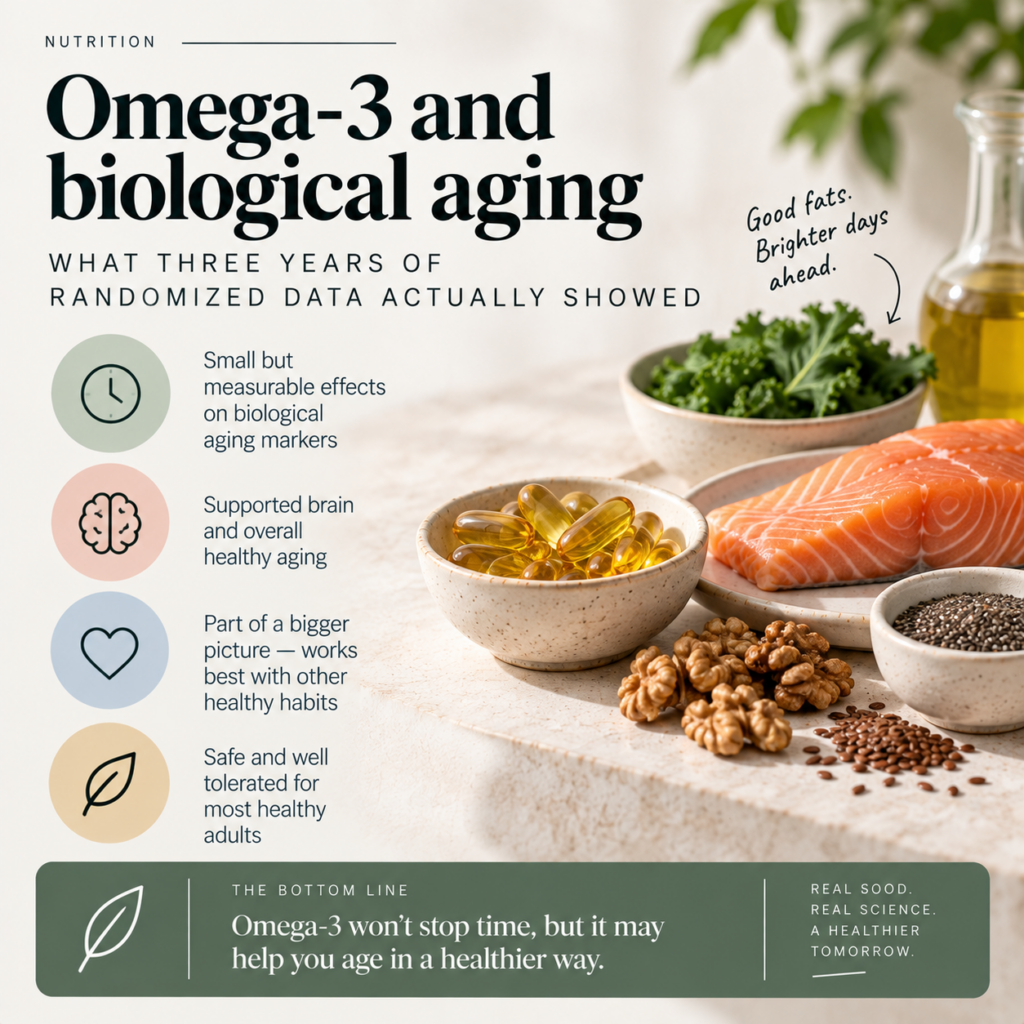
Omega-3 supplementation slowed three of four primary DNA-methylation measures: PhenoAge, GrimAge2, and DunedinPACE. For the biological-age clocks that can be translated into time, estimated effects were roughly 2.9 to 3.8 months across the three-year intervention.
That is a signal, not rejuvenation. There is no single gold-standard biological-age clock, and different clocks measure different patterns associated with aging.
If you prefer food sources, a meal-prep container can make fish leftovers easier to use at lunch instead of turning omega-3 into a supplement-only conversation.
Food and supplements answer different questions
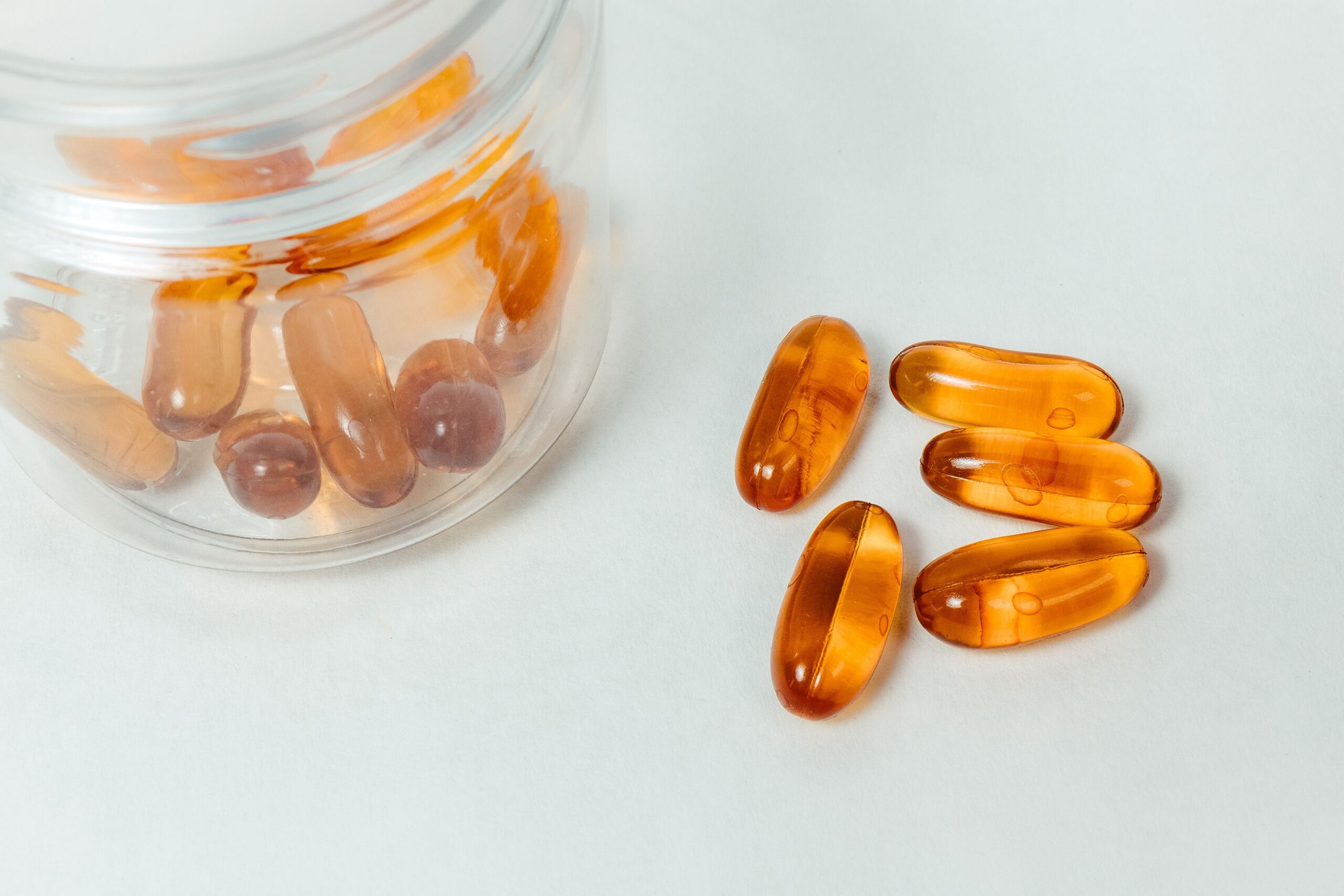
The trial tested a defined supplement dose: 1 gram daily, including 330 mg EPA and 660 mg DHA from marine algae. It did not compare salmon, sardines, walnuts, flax, and supplements head to head.
Fatty fish also provides protein, selenium, vitamin D in some species, and other nutrients. Plant foods such as walnuts and flax provide ALA, which the body converts only partly to EPA and DHA.
A digital food scale can help temporarily if you are learning fish portions, while a weekly meal planner can make two seafood meals easier to remember without counting every gram.
The result may depend on where you start
The authors reported somewhat larger epigenetic effects among participants with lower baseline omega-3 levels. That fits a common nutrition pattern: correcting a low status can have a different effect from adding more to an already adequate intake.
The study population was also unusually healthy and active and consisted of older European adults. We should not assume the exact clock effect applies to a 35-year-old with a different diet.
A reusable bottle has nothing specific to do with omega-3, but it is a useful reminder that longevity nutrition is a pattern of ordinary habits, not one capsule.
Aging clocks are not clinical endpoints
DNA-methylation clocks are useful research tools because they summarize molecular patterns associated with aging, but they are not the same as fractures prevented, disability delayed, dementia avoided, or years of life gained. Those outcomes require their own evidence.
This distinction is what keeps an intriguing trial from becoming supplement marketing. The molecular signal deserves attention precisely because it came from randomized data, and it deserves restraint because the clinical meaning of a few months on an epigenetic clock remains uncertain.
The food-first question is still useful
If you already eat fatty fish regularly, a supplement may add less nutritional value than it would for someone with low omega-3 intake. That idea is consistent with the study’s suggestion that baseline status may influence response.
Nutrition trials often remind us that more is not automatically better. The useful question is whether an intervention fills a gap, not whether a nutrient has an impressive mechanism.
The Livium recipe
Tool. Treat omega-3 as one nutrient, not an age-reversal technology.
Behavior. Prioritize regular food sources when practical and use supplements when they fit your nutritional and clinical context.
Threshold. If you take anticoagulants, have a bleeding disorder, or are planning high-dose supplementation, discuss the dose with an appropriate clinician.
| DO-HEALTH intervention | Dose or schedule | Aging-clock result |
|---|---|---|
| Omega-3 | 1 g daily | 3 of 4 primary clocks slowed |
| Vitamin D | 2,000 IU daily | No individual clock effect |
| Home exercise | 30 min, 3 times weekly | No individual clock effect |
| Combined interventions | All three | Additive benefit on PhenoAge only |
Source: Bischoff-Ferrari et al., Nature Aging, 2025.
Plan of action
- Do not translate epigenetic-clock changes into literal years added to life.
- Use fatty fish or another appropriate omega-3 source regularly.
- Avoid escalating supplement doses because of anti-aging headlines.
- Keep the result in context: the effect was small and studied in adults 70 and older.
Table of Content

Know your body better.
Trusted By Thousands Daily





FAQs
Did omega-3 reverse aging?
No. It produced small changes in several DNA-methylation measures associated with biological aging.
How much omega-3 was used?
The DO-HEALTH intervention used 1 gram daily, providing 330 mg EPA and 660 mg DHA from marine algae.
Should everyone take omega-3 for longevity?
The study does not establish a universal longevity prescription. Diet, baseline omega-3 status, medications, and individual risk still matter.
Legal Disclaimer
The content published on Livium Health is for informational and educational purposes only. Nothing on this site constitutes medical advice, diagnosis, or treatment. Always consult a qualified healthcare provider before making decisions about your health, including changes to medications, supplements, diet, or exercise.
Livium Health is not a medical practice and does not have a patient-provider relationship with its readers. We do not sell supplements, medications, or treatments, and we have no financial relationship with the products or services we reference.
While we work to ensure the information we publish is accurate and up to date, health and medical guidance evolves. We make no guarantees about the completeness or currency of any content on this site. Reliance on any information provided by Livium Health is solely at your own risk.
If you are experiencing a medical emergency, call 911 or your local emergency services immediately.
We may receive compensation, free products, or affiliate commissions for products mentioned in this post. Opinions are our own.