
Share
Men's Health
Women's Health
Blood sugar crash after eating: Why energy dips and what actually fixes them
6 min read
Key takeaways
- Post-meal energy crashes are caused by sharp blood sugar spikes followed by rapid drops, not by lack of food or willpower.
- Meal composition drives glucose stability, and pairing carbohydrates with protein, fat, and fiber flattens the curve and prevents crashes.
- A continuous glucose monitor is the most effective tool for identifying which meals cause instability and which meals keep energy stable.
- The single most effective change for most people is starting every meal with 20 to 30 grams of protein.
Why eating leaves you more tired
You ate a normal meal. An hour later, you’re dragging. Brain fog rolls in. You reach for a snack. You thought food was supposed to give you energy, not take it away. The problem isn’t that you ate. The problem is what happened to your blood sugar after you ate.
Post-meal energy crashes aren’t a personality flaw. They’re a metabolic signal. When blood sugar spikes sharply after a meal and then drops just as fast, the body experiences that drop as a crash. The fatigue, irritability, and cravings that follow aren’t hunger. They’re the body reacting to a glucose roller coaster, it wasn’t built to ride daily.
This pattern is common, underdiagnosed, and fixable. Most people experiencing it don’t have diabetes. They have reactive hypoglycemia or postprandial glucose instability, and the fix isn’t medication. The fix is meal composition.
What happens during a blood sugar crash
When you eat, blood sugar rises. That rise signals the pancreas to release insulin, which moves glucose out of the bloodstream and into cells. In a healthy system, this process is smooth. Blood sugar rises gently, insulin responds proportionally, and energy stays stable.
A crash happens when the spike is too sharp. High-glycemic foods like white bread, sweetened yogurt, or juice cause blood sugar to rise fast. The pancreas overreacts. It releases more insulin than needed. Blood sugar drops below baseline. The body interprets this drop as a threat and releases cortisol and adrenaline to raise blood glucose levels. That surge feels like anxiety, shakiness, irritability, or sudden fatigue.
The drop itself is the problem, not the glucose level. You may still be in a normal range by medical standards, but the velocity of the fall is what the body feels. This is why a blood sugar crash after eating doesn’t show up on standard fasting glucose tests. The crash happens in motion, not at rest.
Why some meals crash you and others don’t
Meal composition determines the shape of your glucose curve. A meal of only carbohydrates, especially refined carbohydrates, spikes blood sugar fast. A meal that includes protein, fat, and fiber slows absorption and flattens the curve.
Carbohydrate quality matters. A bowl of oatmeal with nothing else will spike faster than oatmeal with almond butter and berries. A sandwich on white bread will spike blood sugar faster than the same sandwich on sprouted-grain bread with avocado. The carbohydrate isn’t the enemy. The lack of anything else to slow it down is.
Timing also plays a role. Eating carbohydrates after movement blunts the spike because muscles are primed to absorb glucose and require less insulin. Eating carbohydrates late at night, when insulin sensitivity is lower, increases the chance of a sharper spike and a harder crash the next morning.
Individual tolerance varies. Some people can eat a banana and feel fine. Others eat the same banana and crash within an hour. Insulin sensitivity, stress levels, sleep quality, and hormonal fluctuations all affect how the body responds to the same food on different days.
The tool that removes the guessing
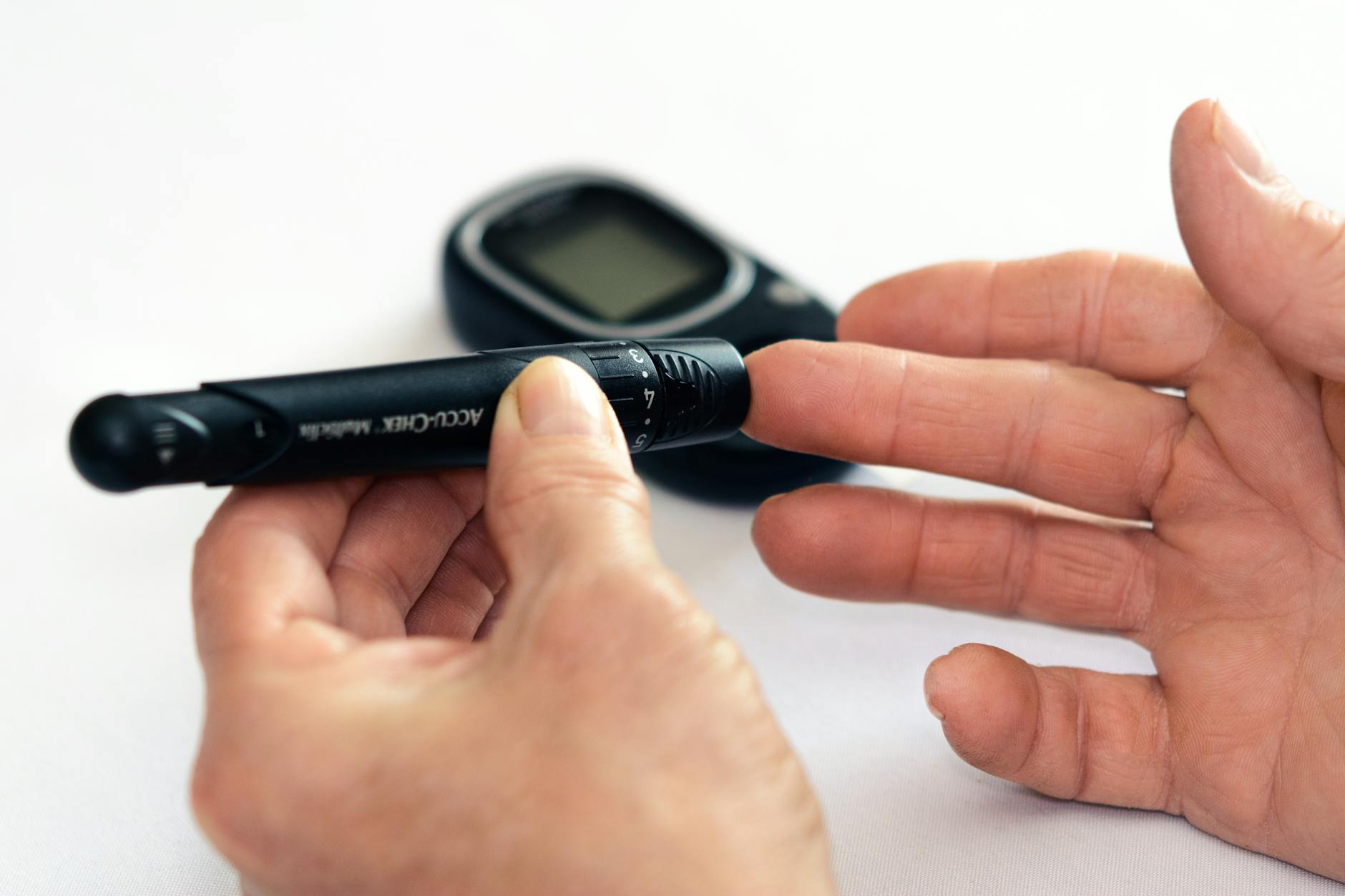
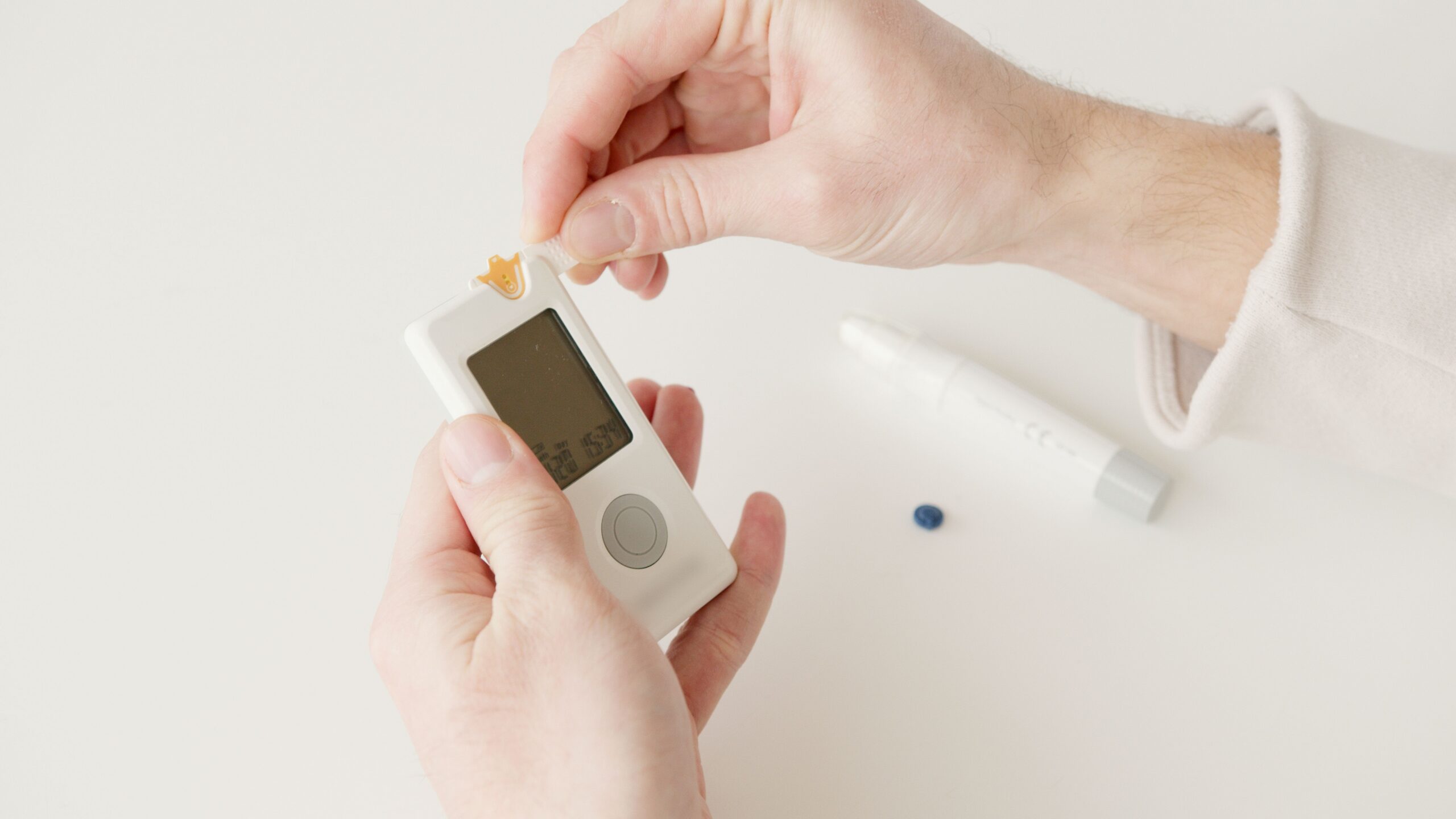
A continuous glucose monitor is the best tool for seeing what your meals actually do. CGMs like Lingo, Stelo, and Dexcom track glucose in real time. They show the spike, the peak, and the drop. They tell you which meals keep you stable and which ones send you into a crash.
Most people guess wrong about which foods affect them. A CGM removes the guessing. You see that the smoothie you thought was healthy spiked your blood sugar to 160 mg/dL. You see that adding eggs to your toast kept you under 120 mg/dL. You see that your 3 PM slump lines up perfectly with a glucose drop that started 90 minutes after lunch.
A CGM isn’t a diabetes device. It’s a behavior change device. Wear one for two weeks. Track three meals per day. Note which combinations keep your glucose between 70 and 120 mg/dL without sharp peaks or valleys. Those are your stable meals. Build from there.
Lingo costs around $200 for a two-week sensor and doesn’t require a prescription. Stelo is similar. Dexcom G7 is more expensive but covered by some insurance if you have prediabetes or type 2 diabetes. If cost is a barrier, start with food-first changes and use a CGM later to confirm what’s working.
What stable blood sugar actually feels like
Stable blood sugar doesn’t feel like anything. That’s the point. You eat. You work. You don’t think about food again for three or four hours. You don’t get shaky. You don’t get irritable. You don’t need a snack to function.
Energy stays level. Focus stays sharp. Cravings for sugar or starch drop off because your body isn’t trying to correct a crash. Hunger becomes predictable instead of urgent. You no longer need caffeine to recover from lunch.
This isn’t a biohacker ideal. This is how the body is meant to run when it isn’t fighting glucose swings all day.
Plan of action
- Start every meal with protein. Aim for 20 to 30 grams. Eggs, Greek yogurt, chicken, fish, tofu. Protein slows gastric emptying and blunts the glucose spike. This is the single most effective change for most people.
- Add fat to carbohydrate-heavy meals. Nut butter on toast. Avocado with rice. Olive oil on pasta. Fat delays carbohydrate absorption and flattens the curve. Don’t fear fat. It’s one of the best tools you have for glucose stability.
- Eat fiber before or with starch. A handful of vegetables before the main meal, or mixed into it, reduces the glucose response. Fiber slows digestion. It doesn’t have to be complicated. Raw carrots, a side salad, roasted broccoli. Any vegetable works.
- Move after eating. A 10-minute walk after lunch or dinner lowers the post-meal glucose spike by 20 to 30 percent. Muscles absorb glucose without needing as much insulin. The walk doesn’t need to be intense. A slow stroll works.
- Track one meal per day for two weeks. Write down what you ate and how you felt 60 to 90 minutes later. Note energy, mood, cravings, and focus. Patterns will emerge. If you crash consistently after the same type of meal, that meal needs more protein, fat, or fiber.
- Consider a CGM if food tracking alone doesn’t clarify the pattern. Lingo and Stelo are both available without a prescription. Wear the sensor for 10 to 14 days. Focus on breakfast and lunch. Those meals set up the rest of your day.
- If crashes persist after changing meal composition, check fasting insulin and hemoglobin A1c. Bring those results to a doctor who treats metabolic health. Reactive hypoglycemia sometimes points to early insulin resistance, which is worth catching now rather than later.
Table of Content

Know your body better.
Trusted By Thousands Daily



FAQ
Can blood sugar crashes happen if I don't have diabetes?
Yes. Reactive hypoglycemia and postprandial glucose instability are common in people with normal fasting glucose. The crash happens in motion, not at rest, which is why standard blood tests often miss it.
How long after eating does a blood sugar crash usually happen?
Most crashes occur 60 to 90 minutes after a meal. The timing depends on how quickly the food is digested and how sharply insulin responds to the spike.
Do I need to avoid carbohydrates to prevent crashes?
No. Carbohydrates aren’t the problem. Eating carbohydrates alone, without protein, fat, or fiber, is the problem. Pairing carbohydrates with other macronutrients slows absorption and prevents sharp spikes.
Will a continuous glucose monitor tell me if I'm prediabetic?
A CGM shows glucose patterns in real time, but it doesn’t diagnose prediabetes. If your CGM shows frequent spikes above 140 mg/dL or fasting glucose above 100 mg/dL, bring that data to a doctor and ask for a fasting insulin test and hemoglobin A1c.
What is the best snack to prevent a blood sugar crash?
A snack that pairs protein or fat with a small amount of carbohydrate works best. Examples include apple slices with almond butter, Greek yogurt with berries, or cheese with whole-grain crackers. Avoid snacks that are only carbohydrates or only sugar.
Legal Disclaimer
The content published on Livium Health is for informational and educational purposes only. Nothing on this site constitutes medical advice, diagnosis, or treatment. Always consult a qualified healthcare provider before making decisions about your health, including changes to medications, supplements, diet, or exercise.
Livium Health is not a medical practice and does not have a patient-provider relationship with its readers. We do not sell supplements, medications, or treatments, and we have no financial relationship with the products or services we reference.
While we work to ensure the information we publish is accurate and up to date, health and medical guidance evolves. We make no guarantees about the completeness or currency of any content on this site. Reliance on any information provided by Livium Health is solely at your own risk.
If you are experiencing a medical emergency, call 911 or your local emergency services immediately.
We may receive compensation, free products, or affiliate commissions for products mentioned in this post. Opinions are our own.