
Share
Men's Health
Sleep
Low T and broken sleep: The male midlife loop
8 min read
Key takeaways
- If you’re a midlife man and you stopped sleeping through the night around the same time your drive dropped and your morning fog stretched into the afternoon, the variable is often testosterone. The standard “normal range” (264-916 ng/dL) is too wide to be useful at midlife.
- It’s a loop. Low testosterone fragments sleep. Fragmented sleep further suppresses testosterone. The loop keeps tightening until you break it from one side. Most men try sleep first and never check hormones; that pattern leaves the variable on the table.
- Get a full panel before any treatment. Total T, free T, sex hormone-binding globulin (SHBG), estradiol (E2), luteinizing hormone (LH), follicle-stimulating hormone (FSH), thyroid, fasting glucose, lipids. Function Health runs this direct-to-consumer; a TRT clinic runs it as part of intake.
- Before you start testosterone replacement therapy (TRT), get a sleep apnea screen. TRT can worsen undiagnosed apnea. Order a home sleep test from Lofta first. Then a hormone-aware clinic like Hone Health is the fastest legitimate path to treatment.
Why it stopped feeling like you
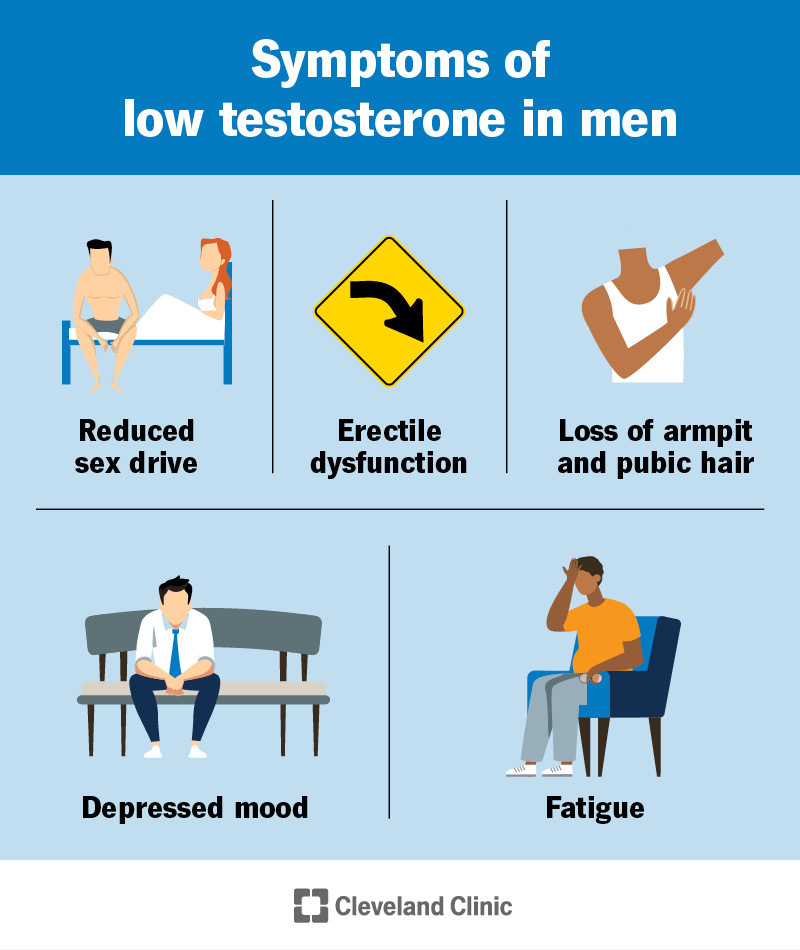
Something shifted in your mid-40s and the timing was suspicious. You stopped sleeping through. The morning fog stretched into the afternoon. The drive to train, to push at work, to want sex, all dialed down. Maybe a 10 percent crawl downward, maybe a cliff. You went to your doctor. They ran a basic panel. They told you the numbers were “in normal range.”
Here is the catch with that phrase. Total testosterone reference range from a standard lab is roughly 264 to 916 ng/dL. That range is built for the entire adult male population, from 18 to 90. If your testosterone dropped from a 25-year-old’s 800 to a 45-year-old’s 350 in two decades, the lab says “in range.” Your body says otherwise.
Per the Mayo Clinic, male hypogonadism is the formal diagnosis when testosterone is consistently low and symptoms are present. Roughly 35 percent of men over 45 have at least some evidence of declining testosterone. Many of them never get diagnosed because nobody checks free testosterone, which is the active fraction. Without free T, the diagnosis is incomplete.
What testosterone actually does at night
Testosterone is a sleep hormone as much as a sex hormone. Your body produces most of it during sleep, specifically during the first half of the night and during deep, slow-wave stages. That means the relationship runs both ways. Sleep makes testosterone. Testosterone enables sleep.
When testosterone drops below your personal functional baseline, three things happen. Deep sleep shortens. Cortisol creeps up at night because testosterone normally helps keep it suppressed. And dopamine signaling weakens, which affects mood, motivation, and how rewarding effort feels the next day. You wake up at 3 AM. You drag through the morning. You have less drive to train. Less training means less mechanical stimulus for testosterone production. The loop closes on itself.
This is why TRT alone, without fixing sleep, often disappoints men in the first month. And why sleep work alone, without checking hormones, often plateaus. The two halves of the loop have to be addressed together. That is the 1+1=3 of this article.
What you’ve probably already tried
The supplements. Ashwagandha. ZMA. Fenugreek. Tongkat ali. Some “natural testosterone booster” stack from a gym supplement company. Maybe Tribulus. Maybe a forum-recommended protocol.
Ashwagandha has the most data of the bunch, and it shows a modest bump (something like 10 to 15 percent) in healthy men. That is not enough to reverse an age-related decline of 30 to 50 percent. None of the over-the-counter stack will close the gap if your free T is functionally low. They are useful at the margin. Not at the core.
You probably also tried training more. Pushing harder at work. Hoping a discipline reset would fix it. That works for the ten percent of cases where the issue is lifestyle alone. For the other ninety percent, you cannot out-train a hormonal problem, and the more you push without addressing the variable, the worse the cortisol and sleep get. The reset for the brick wall is a panel, not another month of grit.
The Livium recipe
Tool. Start with a full hormone panel. Total testosterone, free testosterone, sex hormone-binding globulin (SHBG), estradiol (E2), luteinizing hormone (LH), follicle-stimulating hormone (FSH), DHEA-S, complete thyroid (TSH, free T3, free T4), fasting glucose, lipid panel, and a prostate-specific antigen (PSA) baseline. Function Health runs the full panel direct-to-consumer for around $499 per year. A hormone-aware clinic runs the same labs at intake. Before you consider treatment, order a home sleep test from Lofta ($189). TRT can worsen undiagnosed sleep apnea, and the data is consistent enough that ruling out apnea first is not optional. It is the single most overlooked step in starting TRT.
If labs and symptoms support a diagnosis, Hone Health is the fastest legitimate path to TRT. Telehealth, men’s-health focused, biomarker-based protocols, prescriptions delivered. Hone’s TRT program runs the workup, prescribes the medication, and handles follow-up labs every 90 days. For complex cases (multiple hormones at once, history of cardiovascular issues, prior TRT experience), a hybrid clinic like Marek Health does a deeper medical workup at a higher cost. In-person urologist or endocrinologist is the gold standard if you have a great one in your network; in practice, it is also the slowest and most conservative. Primary care doctors are almost never the right call. Most are not trained in modern TRT protocols and will either refuse to prescribe or under-prescribe.
Behavior. Resistance training three to four times per week. Testosterone responds to mechanical load on large muscle groups, and there is no supplement substitute. One gram of protein per pound of body weight, evenly distributed across the day. Cut alcohol to one or two drinks per week (alcohol directly suppresses testosterone). Sleep seven to nine hours in a cool room. If hot sleep is part of the problem, active cooling helps: the Eight Sleep Pod Cover or the ChiliPad keep the bedroom under 67°F all night. Manage stress like a metric, not a virtue (cortisol and testosterone trade off; chronic stress is a chronic testosterone tax).
Threshold. On effective TRT, free testosterone should move from low-normal (typically under 9 ng/dL or under 150 pg/mL) into the upper-middle of the normal range (around 15 to 25 ng/dL or 250 to 400 pg/mL). Deep sleep should improve within 60 to 90 days. Morning erections, the cleanest functional marker of testosterone status, should return. Energy stabilizes. Drive comes back. Body composition starts to shift. If you are 90 days into TRT and still waking at 3 AM, the variable left is sleep apnea (rule it back in if you skipped the screen), thyroid, or cortisol. Get those checked next.
How to read your testosterone numbers
The number on the page does not tell you what you need to know on its own. Reference ranges are population averages, and they ignore where you used to be. A 45-year-old at 380 ng/dL is technically in range, but if he was at 800 a decade ago, he has dropped more than half. He will feel it. Symptoms drive the diagnosis as much as the lab does.
Free testosterone matters more than total. Total testosterone is the entire pool, including the part bound up by SHBG. Free testosterone is the active fraction, the part actually doing work in your tissues. If SHBG is high (which happens with age, alcohol, and some metabolic patterns), free T can be functionally low even when total T looks fine. Most primary care panels do not include free T or SHBG. That is a major reason real diagnoses get missed.
| Age band | Total T (ng/dL) | Free T (pg/mL) | How you should feel |
|---|---|---|---|
| 20s | 600-1,000+ | 12-25 | Energy, drive, recovery, libido all dialed in |
| 30s | 500-900 | 10-20 | Slightly less, but still strong on all fronts |
| 40s | 400-800 | 8-18 | Noticeable shift if at the low end |
| 50s | 300-700 | 6-15 | Real symptoms common if under mid-range |
| 60s+ | 250-600 | 5-12 | Function depends heavily on free T, not total |
Source: Livium editorial synthesis of reference ranges published by Mayo Clinic male hypogonadism guidance and Cleveland Clinic Low Testosterone overview, combined with practical functional ranges used by hormone-aware clinics like Hone Health.
Choosing your TRT pathway
Four real paths exist. They differ on speed, cost, depth of workup, and how much oversight you get. The choice depends on how clean your case is, whether insurance is in play, and how thorough you want the medical workup to be. Most midlife men with classic low-T symptoms and labs to match do well on a telehealth path. Complex cases benefit from a hybrid clinic. Almost nobody benefits from going to their primary care doctor first.
| Pathway | Best for | Approx cost | Time to start | Trade-offs |
|---|---|---|---|---|
| Telehealth hormone clinic (e.g., Hone) | Most midlife men with clear symptoms + low labs | $25-$149/month + meds | 1-2 weeks | Fast and convenient; less in-person oversight |
| Hybrid medical clinic (e.g., Marek) | Complex cases, multiple hormones, athletic users | $300-$600 intake + monthly | 2-4 weeks | More thorough workup; higher cost |
| Urologist or endocrinologist (in person) | Insurance-covered care, complex medical history | Insurance copays | 4-8+ weeks | Gold standard; slower and more conservative |
| Primary care doctor | Almost never the right call for TRT | Insurance copays | Varies | Most PCPs are not trained in modern TRT protocols |
Source: Livium editorial synthesis based on public information from Hone Health and standard hormone-clinic practice as of 2026.
Plan of action
- This week: order a full hormone panel through Function Health or sign up with Hone Health (Hone runs the labs as part of the intake).
- This week, before you commit to TRT: order a home sleep test from Lofta ($189). Sleep apnea has to be ruled out first.
- Within 2 weeks: have both results in hand. Take them to a TRT-aware clinician. Symptoms plus low free T plus a clean apnea report is the cleanest diagnostic case.
- If TRT is recommended: Hone Health’s TRT program is the fastest path. Marek Health is the hybrid alternative. In-person urologist is the gold standard if you have a great one and time to wait.
- Day one of TRT: keep training. Resistance work three to four times a week. Protein at 1 g per pound. Cut alcohol to one to two drinks per week. Get bedroom temperature into the 65-67°F band.
- 90 days in: recheck labs. Total T, free T, estradiol (TRT can convert to estrogen; this is the one to watch), hematocrit, PSA. Reassess symptoms across sleep, drive, energy, body composition.
- If sleep is still broken at 90 days with free T in target range, the variable is somewhere else. Re-screen for apnea. Check thyroid. Check the cortisol pattern.
Table of Content

Know your body better.
Trusted By Thousands Daily




Will TRT shrink my testicles?
Yes, in most men, somewhat. External testosterone signals your brain to stop producing the hormones that drive your own production, including the signals that maintain testicular size. The shrinkage is usually moderate and reversible if you stop. Many clinicians add HCG (a medication that mimics LH) to preserve testicular function and fertility while on TRT. If fertility matters to you in the next decade, raise this on the first call with your clinic.
Will I have to be on it forever?
Probably yes, if you start in your 40s or 50s. Once you suppress your own production through TRT, restarting it is not guaranteed. Some men cycle off using clomiphene or enclomiphene to restart natural production, but the success rate is mixed and the symptoms often return. If “forever” is a deal breaker, talk to your clinician about enclomiphene as a first option. It bumps your own testosterone without replacing it.
What is the difference between TRT and gym-bro steroid cycling?
TRT is a medically supervised dose intended to bring you back to a normal physiological range. Anabolic steroid cycling is supraphysiological dosing intended to push you well past normal for muscle gain. The dose, the supervision, the bloodwork, and the goals are all different. TRT is FDA-approved medicine. Cycling is not. The risks (cardiovascular, fertility, mood) scale with dose, and cycling protocols carry meaningfully more risk.
Can I just take ashwagandha and lift more?
If you are in your 30s and your labs are decent, that approach is reasonable for a few months. If you are in your 40s or 50s with classic symptoms and a real testosterone drop, no supplement stack is going to close the gap. Ashwagandha bumps T by maybe 10 to 15 percent in healthy men. That does not refill a hormonal deficit. It does help with cortisol and sleep, so it is worth keeping as an adjunct.
What about Clomid or enclomiphene?
Clomid (clomiphene) and the cleaner enclomiphene are medications that stimulate your own testosterone production by blocking estrogen feedback at the pituitary. They are real options for some men, especially younger guys, those with secondary hypogonadism (your testes can still produce, your brain just stopped signaling), or anyone who wants to preserve fertility. The catch is they are less effective for men with primary testicular failure, and side effects (mood, vision changes) are possible. A hormone-aware clinic should be able to tell you whether you are a candidate.
Legal Disclaimer
The content published on Livium Health is for informational and educational purposes only. Nothing on this site constitutes medical advice, diagnosis, or treatment. Always consult a qualified healthcare provider before making decisions about your health, including changes to medications, supplements, diet, or exercise.
Livium Health is not a medical practice and does not have a patient-provider relationship with its readers. We do not sell supplements, medications, or treatments, and we have no financial relationship with the products or services we reference.
While we work to ensure the information we publish is accurate and up to date, health and medical guidance evolves. We make no guarantees about the completeness or currency of any content on this site. Reliance on any information provided by Livium Health is solely at your own risk.
If you are experiencing a medical emergency, call 911 or your local emergency services immediately.
We may receive compensation, free products, or affiliate commissions for products mentioned in this post. Opinions are our own.