
Share
Energy & Focus
Men's Health
Women's Health
Afternoon fatigue that isn’t the crash: When cortisol is the variable nobody checked
5 min read

Key takeaways
- A flattened cortisol curve (not a low level, a flat one across the day) is a common and underdiagnosed cause of afternoon energy collapse in adults over 40.
- A single serum cortisol drawn at your annual physical tells you almost nothing useful. A four-point cortisol curve tells you everything.
- The DUTCH test (dried urine test for comprehensive hormones) is the current standard for mapping a full cortisol curve, including cortisol metabolites and the cortisol-to-cortisone ratio.
- Three behaviors are the best-supported tools for restoring a flat curve: morning bright light, a 12 PM caffeine cutoff during the diagnostic window, and morning exercise.
Tired all day. Wired at 11 PM
This is the pattern. Hard to get going before 10 AM. Energy that holds through the morning but falls off a cliff around 3 PM. A second wind arriving around 9 or 10 PM that makes sleep harder than it should be. Waking unrested. Repeat.
Most people assume this is a sleep problem. Some assume it is burnout. A few try adaptogens. Almost none ask what their cortisol curve looks like across the day, because their doctor measured cortisol once at 8:30 AM, found it “in range,” and moved on.
That single measurement is not the story. The shape of the curve across the day is the story.
What is actually happening
Cortisol is the alertness hormone. Under healthy conditions it follows a steep arc: a sharp surge within 30 to 45 minutes of waking (the cortisol awakening response, or CAR), a gradual decline through the morning, a low but stable afternoon, and near-zero levels by 10 PM. That shape is what gives you morning energy, afternoon stability, and the ability to fall asleep when it is time.
Chronic stress, poor sleep, and what clinicians call HPA (hypothalamic-pituitary-adrenal) axis dysregulation flatten the curve. Morning cortisol is blunted, so getting started feels like moving through sand. Afternoon cortisol fails to hold, and the wall arrives at 3 PM. In some patterns, cortisol makes a partial evening recovery, late enough to interfere with sleep but early enough that you are too tired to do anything useful with it.
This is not adrenal fatigue, which is not a recognized clinical diagnosis. It is a measurable, addressable dysregulation in the cortisol rhythm itself.
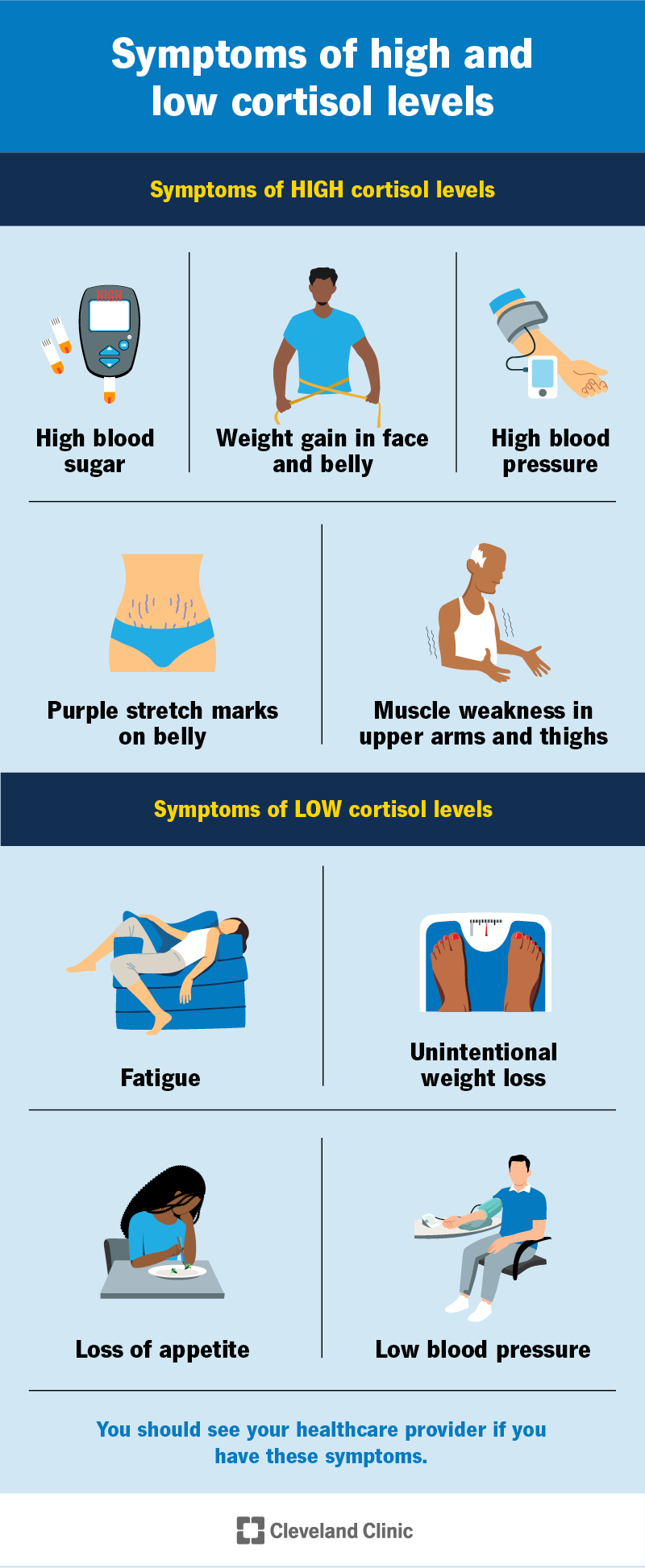
What you have probably already tried
Ashwagandha, rhodiola, and adaptogens. The marketing says these “balance” cortisol. The evidence is more modest. Some adaptogens reduce peak cortisol in acutely stressed people, which is helpful if your curve is elevated. If your curve is flat, reducing an already-low signal makes things worse. Most people with a flat curve who try adaptogens feel mildly better for two weeks and then level out, because they are addressing a symptom rather than the timing pattern.
Earlier bedtime. Genuinely useful. Better sleep quality improves the cortisol awakening response. But sleep alone does not rebuild a dysregulated HPA rhythm if the other inputs (light exposure, exercise timing, caffeine) are working against it. Necessary, not sufficient.
Cutting caffeine entirely. Not the answer. Caffeine modulates adenosine receptors, not cortisol. Removing it does not change the curve shape. What matters is timing. Caffeine consumed in the first 90 minutes after waking competes with the natural cortisol awakening response and can blunt it. Caffeine consumed after noon stays in your system past 10 PM and disrupts sleep, which indirectly hammers the next morning’s cortisol surge.
The Livium take. A flat cortisol curve is a tuning problem, not a broken instrument. Three environmental inputs (bright light, exercise timing, and caffeine cutoff) are the tuning pegs. The DUTCH test tells you where the curve is flat so you know which end to address first.
The Livium recipe
Tool. Order a DUTCH Complete test. The dried urine test for comprehensive hormones measures cortisol and cortisol metabolites at four points across the day. No phlebotomy appointment required. Available through Hone Health with physician review of results, or through Function Health if you want the full hormone panel at the same time.
Behavior. Start these three changes before test results arrive. They are correct regardless of where the curve lands. Bright light within five minutes of waking, for at least 10 minutes (outside beats a light box, but a light box beats a dark kitchen). No caffeine for the first 90 minutes post-wake. Caffeine cutoff at 12 PM while in the diagnostic window. Standard sleep advice sets the cutoff at 2 PM, but while actively working to rebuild a cortisol rhythm, the extra two hours of caffeine-free sleep pressure matters. Move the first workout of the week to before noon when possible.
Threshold. Retest DUTCH at 12 weeks. Target: morning cortisol peak above 15 to 20 ng/mg (varies by lab reference range). Afternoon energy holding past 4 PM without caffeine. If the curve improves but symptoms persist, testosterone (men) or estradiol (women) is the next variable. Both interact with the HPA axis and compound the flat-curve pattern when low.
| Symptom pattern | Likely mechanism | First diagnostic |
|---|---|---|
| Crash at 2 PM, clears after a snack | Reactive hypoglycemia | CGM (14-day wear) |
| Tired all day, wired at 11 PM, snack does not help | Flat cortisol curve | DUTCH Complete (4-point cortisol) |
| Hard to start before 10 AM, foggy for first two hours | Blunted cortisol awakening response or thyroid | DUTCH plus full thyroid panel (TSH, free T3, free T4) |
| Fatigue despite full sleep, partner reports snoring | Sleep apnea | Home sleep test |
| Low energy plus low libido, mood changes (women in 40s) | Perimenopause or estrogen decline | Estradiol, FSH, progesterone panel |
Source: Livium editorial synthesis based on The Endocrine Society HPA axis guidelines and clinical pattern recognition.
Plan of action
- Start the three behaviors this week: morning bright light within five minutes of waking, no caffeine for the first 90 minutes, caffeine cutoff at 12 PM during the diagnostic window.
- Order a DUTCH Complete test through Hone Health or Function Health. A single serum cortisol draw will not show curve shape.
- Move one workout this week to before noon. Start with two mornings and assess the effect on afternoon energy.
- Retest at 12 weeks. If the curve improves but symptoms persist, add testosterone (men) or estradiol (women) to the panel.
- If the DUTCH shows an elevated cortisol curve rather than a flat one, the mechanism and treatment shift. Bring results to a hormone-aware prescriber at Hone Health, not a standard primary care doctor.
Table of Content

Know your body better.
Trusted By Thousands Daily




FAQ
My cortisol was tested at my last physical and it was normal. Why would the DUTCH show something different?
A single serum cortisol draw at 8 AM tells you the level at one moment. It does not show whether the morning surge was sharp or blunted, whether the afternoon fell off too early, or whether there is an evening uptick. The DUTCH measures four points across the day plus cortisol metabolites. “Normal” on a one-point test can coexist with a pattern that explains every symptom you have.
Is this adrenal fatigue?
No. Adrenal fatigue is not a recognized clinical diagnosis. A dysregulated cortisol rhythm is a measurable, real phenomenon with identifiable patterns and addressed interventions. The symptoms overlap, but the mechanism and solutions are different.
What does “tuning problem” mean exactly?
The cortisol system works. It just needs the right timing signals. Morning light, morning exercise, and caffeine timing are three environmental inputs that calibrate the cortisol awakening response. A flat curve is usually caused by a series of modern habits (blackout curtains, desk jobs, evening caffeine) that work against the body’s natural signaling, not by a broken adrenal gland.
Legal Disclaimer
The content published on Livium Health is for informational and educational purposes only. Nothing on this site constitutes medical advice, diagnosis, or treatment. Always consult a qualified healthcare provider before making decisions about your health, including changes to medications, supplements, diet, or exercise.
Livium Health is not a medical practice and does not have a patient-provider relationship with its readers. We do not sell supplements, medications, or treatments, and we have no financial relationship with the products or services we reference.
While we work to ensure the information we publish is accurate and up to date, health and medical guidance evolves. We make no guarantees about the completeness or currency of any content on this site. Reliance on any information provided by Livium Health is solely at your own risk.
If you are experiencing a medical emergency, call 911 or your local emergency services immediately.
We may receive compensation, free products, or affiliate commissions for products mentioned in this post. Opinions are our own.