
Share
Men's Health
Mental Health
Women's Health
Anxiety, sleep, and the cortisol connection most people mistake for a personality trait
7 min read

Key takeaways
- Chronic anxiety and poor sleep share a common upstream driver in many midlife adults: dysregulated cortisol that fires at the wrong time and suppresses melatonin when it should be rising.
- The person who has “always been anxious” may have a correctable HPA axis problem rather than a fixed personality trait. These are not the same thing, and they do not require the same response.
- Elevated evening cortisol produces amygdala hyperreactivity, suppresses the prefrontal cortex’s ability to regulate emotional responses, and fragments sleep architecture. Each of those effects makes anxiety worse the following day.
- Inositol, L-tryptophan, and cortisol-modulating adaptogens each have published evidence for anxiety reduction through distinct mechanisms. None of them are antidepressants, and none produce dependence.
The anxious person who cannot figure out why they cannot sleep
It is 4:17 AM. The mind is running inventory on everything that went wrong last week and everything that might go wrong next week. Sleep is not available. The feeling is familiar enough that it has become part of self-description: anxious by nature, poor sleeper by default, wired this way. Most people who have been in this pattern for years attribute it to temperament rather than biology.
What they often do not know: the 4 AM mind-race is not necessarily a thought problem. It is frequently a cortisol problem. Evening cortisol that runs too high suppresses melatonin onset, delays sleep, and produces the kind of hypervigilant waking that feels like anxiety but originates in a dysregulated stress hormone rather than the psychological content of the thoughts themselves. Fix the cortisol curve and the thoughts often become manageable. Leave the cortisol curve dysregulated and no amount of cognitive reframing resolves the 4 AM inventory.
How cortisol and anxiety reinforce each other
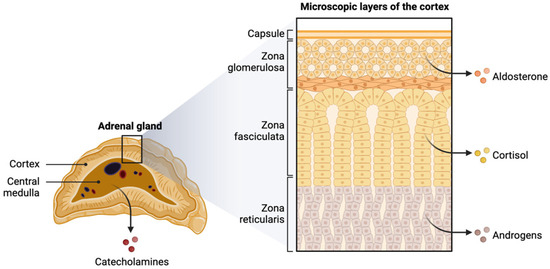
Cortisol is the primary stress hormone and a key circadian regulator. It should peak sharply within 30 to 60 minutes of waking, decline through the morning, and reach its nadir around midnight. Melatonin rises as cortisol falls. When this rhythm is intact, sleep onset is biologically supported and nighttime arousal is uncommon.
When chronic stress or HPA axis dysregulation flattens the curve, evening cortisol runs higher than it should. High evening cortisol suppresses melatonin through CRH-mediated inhibition of the pineal gland. Sleep onset delays. When sleep does come, cortisol remains elevated enough to fragment deep sleep cycles. The person wakes in the early morning with cortisol already rising toward the next day’s peak. The amygdala, which is most sensitive to cortisol in the early morning hours, fires at elevated intensity. The thoughts that arrive at 4 AM are not random. They are the output of an amygdala that has been primed by a cortisol curve that peaked too early.
Sleep deprivation from this pattern raises cortisol the following day. Elevated daytime cortisol increases anxiety reactivity, reduces the prefrontal cortex’s regulatory capacity over the amygdala, and makes the stressors of the day land harder. That increased stress load drives more cortisol dysregulation. The loop is self-sustaining and gets labeled as a personality trait because it has been running long enough to feel like baseline.
What the bloodwork should include
A standard anxiety workup at a GP involves a GAD-7 questionnaire and possibly an SSRI prescription. It almost never includes cortisol. Adding AM and PM cortisol, DHEA-S, and a basic metabolic panel to the conversation changes the diagnostic picture substantially. An AM cortisol below 10 mcg/dL alongside an elevated PM cortisol above 3 mcg/dL indicates a flattened diurnal curve. Low DHEA-S alongside elevated cortisol indicates an HPA axis under sustained demand. These findings change the treatment logic.
Additionally worth checking: ferritin (low ferritin independently drives anxiety via dopamine synthesis impairment), thyroid (subclinical hypothyroidism mimics generalized anxiety disorder on screening tools), and fasting glucose (chronic glucose instability produces an anxiety-adjacent physiological state that is metabolic in origin).
The Livium recipe
Tool. AM and PM salivary or serum cortisol. Most direct-pay labs offer a four-point salivary cortisol test that captures morning, noon, afternoon, and evening levels. This produces a curve rather than a single number and makes the dysregulation pattern visible. Pair with a wearable tracking HRV and resting heart rate. Elevated resting heart rate and suppressed HRV in the absence of obvious behavioral causes correlate strongly with elevated baseline cortisol and sympathetic nervous system activation.
Behavior. Three simultaneous changes targeting the cortisol-melatonin interface. First: all screens off by 9 PM. Evening light suppresses melatonin and keeps cortisol elevated. Second: a consistent wake time every day including weekends. The cortisol awakening response is anchored to wake time; schedule variability disrupts the entire diurnal rhythm. Third: a 20-minute walk outside within 60 minutes of waking. Morning light exposure anchors the circadian clock and supports the normal cortisol peak timing that the rest of the day’s regulation depends on.
Threshold. After four weeks of consistent light discipline, sleep timing, and morning walk: resting heart rate should trend downward by 3 to 5 bpm, HRV should trend upward toward personal baseline, and the frequency of early morning waking should reduce. These are the measurable markers of a cortisol curve that is recovering its diurnal shape. If they do not move, the loop is being driven by something other than behavioral light exposure, and a conversation with a physician about bloodwork is the next step.
The supplement evidence for anxiety and cortisol
Inositol. A naturally occurring sugar alcohol that modulates serotonin and GABA receptor sensitivity. Multiple double-blind RCTs show inositol at 12 to 18 grams daily produces anxiety reduction comparable to SSRI treatment in panic disorder and OCD subtypes, with a more favorable side effect profile. The dose is high by supplement standards. Pure Encapsulations Inositol powder is the most practical format at this dose range.
L-tryptophan. The dietary precursor to serotonin and melatonin. Unlike 5-HTP, which bypasses the tryptophan hydroxylase conversion step, L-tryptophan works through the full synthesis pathway and is more physiologically gradual. At 1 to 2 grams before bed, it supports both melatonin onset and serotonin availability during the night. L-Tryptophan 500 mg, taken in two to four capsules 30 minutes before bed, is the studied format.
Cortisol-modulating adaptogens. Life Extension Cortisol-Stress Balance combines magnolia bark extract, phosphatidylserine, and beta-sitosterol in a formula specifically designed to blunt the evening cortisol elevation that disrupts sleep onset. Integrative Therapeutics Cortisol Manager is a practitioner-grade formula with a strong track record in clinical integrative medicine settings for evening cortisol reduction.
The anxiety-cortisol-sleep triangle
| Symptom | Common attribution | Cortisol mechanism | First intervention |
|---|---|---|---|
| 4 AM mind race | Anxiety disorder; overthinking | Early cortisol rise priming amygdala | Evening cortisol support; consistent wake time |
| Difficulty falling asleep despite exhaustion | Insomnia; racing thoughts | Elevated PM cortisol suppressing melatonin | Screen elimination after 9 PM; L-tryptophan |
| Disproportionate stress response to minor triggers | High-strung personality | Sleep deprivation reducing PFC-amygdala regulation | Sleep timing repair; HRV biofeedback |
| Chronic low-grade worry that never fully switches off | Generalized anxiety disorder | Flattened cortisol curve; elevated sympathetic baseline | AM cortisol test; adaptogen support; morning light |
Source: Livium editorial synthesis based on NIMH Anxiety Disorders resources and Vgontzas et al., Journal of Clinical Endocrinology and Metabolism (2001), Insomnia with objective short sleep duration and HPA axis dysregulation.
Plan of action
- Request AM and PM cortisol at the next lab visit. Ask for a four-point salivary cortisol panel specifically. Add DHEA-S, ferritin, and thyroid to the same draw.
- Implement the three light discipline changes this week: screens off by 9 PM, consistent wake time, 20-minute outdoor morning walk. Run for four weeks before assessing effect.
- If early morning waking is the primary symptom, add L-tryptophan 1,000 mg 30 minutes before bed. This supports both melatonin onset and the serotonin availability that blunts early morning cortisol reactivity.
- If difficulty falling asleep is the primary symptom, add evening cortisol support. Cortisol Manager taken 30 minutes before bed addresses the PM cortisol elevation that delays melatonin onset.
Table of Content

Know your body better.
Trusted By Thousands Daily




FAQs
Does this mean anxiety is not a real mental health condition?
No. Anxiety disorders are real, clinically significant, and for some people require professional treatment including therapy and medication. The point is that a meaningful proportion of people who identify as anxious have a physiologically driven, addressable cortisol problem rather than a primary psychological disorder. These are not mutually exclusive: some people have both. The distinction matters because the intervention is different. Treating a cortisol problem with CBT alone is like treating iron deficiency with stress management. Helpful, not sufficient.
Is inositol safe alongside SSRIs?
There is a theoretical serotonin interaction concern when combining inositol with SSRIs. Discuss with a prescribing physician before combining. The evidence for inositol as a standalone anxiety intervention is strongest; it was studied as a monotherapy in the published trials.
Can the cortisol curve be tested at home?
Yes. Several direct-to-consumer labs (DUTCH Test, ZRT Laboratory, Meridian Valley Lab) offer four-point salivary cortisol panels that capture the full diurnal curve from home-collected samples. Results include a reference curve comparison. No physician order is required for the DUTCH and ZRT panels in most states.
Legal Disclaimer
The content published on Livium Health is for informational and educational purposes only. Nothing on this site constitutes medical advice, diagnosis, or treatment. Always consult a qualified healthcare provider before making decisions about your health, including changes to medications, supplements, diet, or exercise.
Livium Health is not a medical practice and does not have a patient-provider relationship with its readers. We do not sell supplements, medications, or treatments, and we have no financial relationship with the products or services we reference.
While we work to ensure the information we publish is accurate and up to date, health and medical guidance evolves. We make no guarantees about the completeness or currency of any content on this site. Reliance on any information provided by Livium Health is solely at your own risk.
If you are experiencing a medical emergency, call 911 or your local emergency services immediately.
We may receive compensation, free products, or affiliate commissions for products mentioned in this post. Opinions are our own.