
Share
Energy & Focus
Men's Health
Women's Health
Caffeine: The tool you’re using wrong
5 min read

Key takeaways
- Caffeine does not produce energy. It borrows it by blocking adenosine receptors, which delays the feeling of tiredness. The debt is real and it comes due.
- Drinking coffee immediately on waking blunts the natural cortisol awakening response (CAR), the body’s own alertness surge. Waiting 90 minutes lets the CAR land first, making coffee more effective when you actually drink it.
- Caffeine has a half-life of roughly six hours. A 3 PM coffee is still half-active at 9 PM. This is why you cannot fall asleep before midnight even though you are exhausted by 10:30 PM.
- The 2 PM cutoff is the standard Livium default. Pull it to 12 PM if you are in a cortisol diagnostic window.
You have been doing this for 20 years. It stopped working
The first cup at 7 AM. Another at 9. A third at 11 that you tell yourself is the last one. The 2:30 PM emergency that is definitely the last one. And by 10 PM you are exhausted but weirdly awake, staring at the ceiling, wondering why sleep is hard.
This is not a caffeine tolerance problem. It is a caffeine timing problem. The drug still works. You are just applying it in a way that creates the energy deficit it is pretending to fix.
Caffeine does not generate energy. It blocks the receptors that sense adenosine, the molecule that accumulates in the brain as a signal of “you have been awake a long time, it is time to sleep.” When caffeine blocks those receptors, adenosine keeps accumulating behind a closed door. When the caffeine wears off, all of it floods through at once. The afternoon crash is not low energy. It is deferred adenosine arriving late.
What is actually happening
Adenosine is a byproduct of cellular energy use. Every waking hour, adenosine levels in the brain rise. At sufficiently high levels, it binds to adenosine receptors and signals fatigue and sleep pressure. Sleep clears adenosine. Waking restores the cycle.
Caffeine is structurally similar enough to adenosine to bind to adenosine receptors without activating them. It sits in the receptor and blocks adenosine from signaling. You do not feel tired because the tired signal cannot land. But adenosine keeps building. When caffeine’s six-hour half-life means its concentration drops, adenosine finally gets through. The crash feels sudden and dramatic because a morning and afternoon’s worth of accumulated adenosine arrives in a short window.
The problem compounds at night. Caffeine consumed at 3 PM at 100mg still has 50mg active at 9 PM. That residual caffeine keeps blocking adenosine receptors, which means sleep pressure is artificially suppressed when you try to fall asleep. You lie in bed tired but wired. Sleep latency extends. You compensate with another early morning coffee. The cycle continues.
What you have probably already tried
Switching to green tea. Green tea contains caffeine (25 to 50mg per cup) plus L-theanine, which modulates the caffeine response to produce a smoother alertness curve. It is genuinely better than coffee for some people. But it still contains caffeine, still blocks adenosine, and still has a half-life problem if consumed in the afternoon.
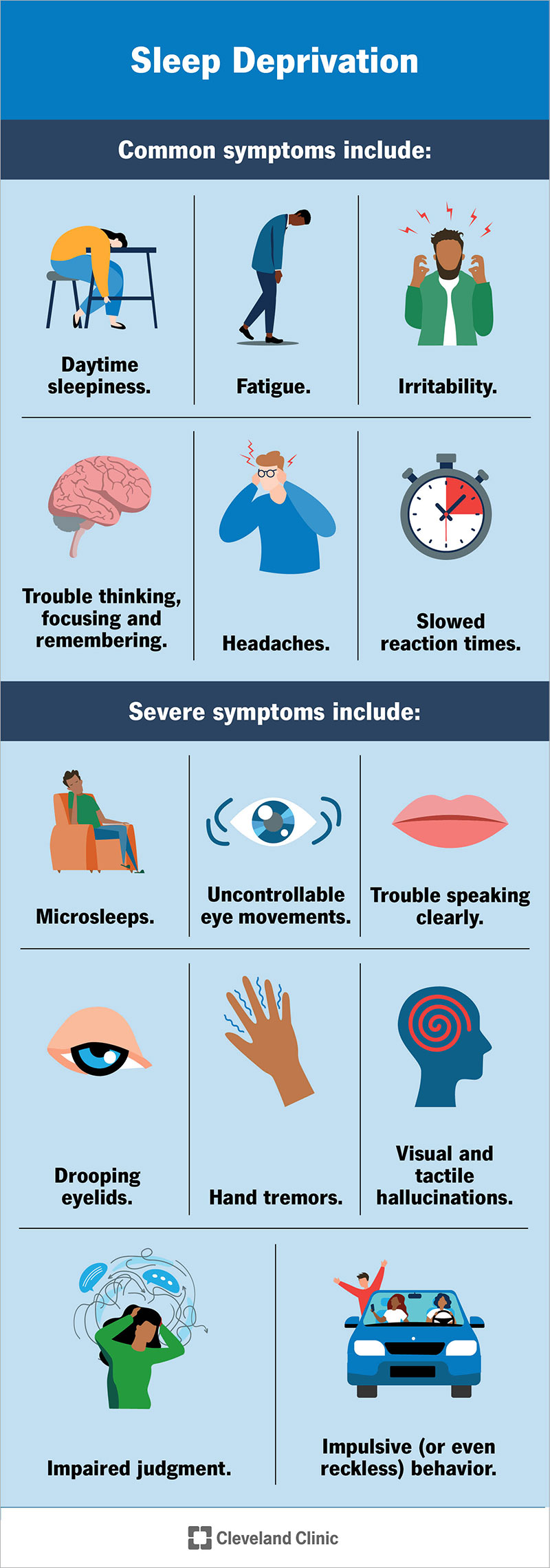
Cutting caffeine entirely for two weeks. This works. The first four days are unpleasant (headaches, irritability, and profound tiredness as accumulated adenosine finally does its job). After that, many people report better natural energy and significantly better sleep. But you do not have to give it up entirely. Timing it correctly achieves most of the benefit.
Bulletproof and MCT-oil coffees. Adding fat to coffee blunts the glycemic response of anything eaten with it and provides slow-burning caloric fuel. It does not change caffeine’s adenosine mechanism or half-life. It is not solving a caffeine timing problem.
The Livium take. Caffeine is a legitimate and well-studied alertness tool. The issue is almost never the drug. It is the schedule. The 90-minute morning delay and the 2 PM cutoff together are two edges of the same knife: one lets the natural cortisol surge land cleanly, the other prevents residual caffeine from disrupting sleep. Both together, consistently, are more effective than any reformulated caffeine product.
The Livium recipe
Tool. A watch with two alarms. No product required. The intervention is schedule, not substance.
Behavior. Set two alarms. The first at 90 minutes after your alarm goes off: this is your earliest coffee time. Before that, the cortisol awakening response should peak naturally. Drink water, get sunlight, move. Then coffee. The second alarm is at 2 PM: caffeine stops here on most days. If you are in a cortisol diagnostic window, set the second alarm at 12 PM. Total daily caffeine under 400mg (three to four standard 8-oz cups).
Threshold. Two weeks of the revised schedule. Track sleep latency (how long it takes to fall asleep) and morning alertness score at 9 AM before and after. Most people notice sleep latency drop within five to seven days. Morning alertness, counterintuitively, improves within 10 days because sleep quality has improved and the cortisol awakening response is no longer being suppressed by the 7 AM cup. The coffee at 9 AM often hits harder than the 7 AM coffee ever did.
| Caffeine habit | Problem it creates | Fix |
|---|---|---|
| Coffee immediately on waking | Blunts cortisol awakening response; reduces morning alertness efficiency | Wait 90 minutes after waking |
| Coffee after 2 PM | Residual caffeine suppresses sleep pressure at 9 to 11 PM; delayed sleep onset | Hard cutoff at 2 PM (12 PM in cortisol diagnostic window) |
| Over 400mg per day (4-plus cups) | High tolerance; diminishing alertness return; elevated cortisol; disrupted glucose | Taper to 200 to 300mg over two weeks |
| Caffeine to fight afternoon crash | Delays sleep pressure; masks glycemic crash rather than addressing it | Address the crash cause (glucose, cortisol) rather than masking it |
Source: Livium editorial synthesis based on caffeine pharmacokinetics literature and National Institute on Aging sleep and aging guidance.
Plan of action
- Set the 90-minute alarm starting tomorrow. Before it goes off: bright light, water, movement. Let the cortisol awakening response land.
- Set a 2 PM phone alarm labeled “last coffee.” Every day. Non-negotiable for 14 days. Then evaluate whether evening winding-down has improved.
- If you are currently drinking five or more cups per day, taper by one cup per week rather than cutting abruptly. Abrupt cessation causes withdrawal headaches. A taper is slower and more sustainable.
- If the afternoon crash persists after eliminating afternoon caffeine, the mechanism is glycemic, not caffeine-driven. That is a CGM problem. The glucose article in the Livium Energy library covers the fix.
- At 14 days, check your sleep latency. If it has dropped by more than 15 minutes and morning alertness has improved, caffeine timing was the issue. If nothing changed, caffeine was not the primary driver.
Table of Content

Know your body better.
Trusted By Thousands Daily




FAQ
I sleep fine and drink coffee until 9 PM. Am I an exception?
Maybe. A small percentage of people are fast caffeine metabolizers and clear it in three to four hours rather than six. If you genuinely sleep well, fall asleep easily, and wake rested, late caffeine may not be disrupting your sleep. But if you are also reading this because you lack daytime energy, late caffeine may be a contributor you have not identified because the sleep disruption is too subtle to notice without a wearable tracking sleep latency and deep sleep time.
Does decaf affect adenosine?
Decaf contains 5 to 30mg of caffeine per cup, not zero. At typical consumption levels, decaf’s caffeine is unlikely to affect sleep significantly in most people. For someone who is highly caffeine-sensitive, two evening decafs still deliver meaningful caffeine load.
What about L-theanine with caffeine?
The 100mg caffeine plus 200mg L-theanine combination is one of the better-studied nootropic stacks. L-theanine modulates the anxious edge of caffeine and smooths the alertness curve. It does not change caffeine’s half-life. The timing rules still apply.
Legal Disclaimer
The content published on Livium Health is for informational and educational purposes only. Nothing on this site constitutes medical advice, diagnosis, or treatment. Always consult a qualified healthcare provider before making decisions about your health, including changes to medications, supplements, diet, or exercise.
Livium Health is not a medical practice and does not have a patient-provider relationship with its readers. We do not sell supplements, medications, or treatments, and we have no financial relationship with the products or services we reference.
While we work to ensure the information we publish is accurate and up to date, health and medical guidance evolves. We make no guarantees about the completeness or currency of any content on this site. Reliance on any information provided by Livium Health is solely at your own risk.
If you are experiencing a medical emergency, call 911 or your local emergency services immediately.
We may receive compensation, free products, or affiliate commissions for products mentioned in this post. Opinions are our own.