
Share
Longevity & Aging
Men's Health
Women's Health
Cognitive reserve: The brain bank account you should have been building since 40
5 min read

Key takeaways
- Cognitive reserve describes the brain’s resilience to age-related neuropathology: the capacity to maintain function despite accumulating Alzheimer’s disease pathology, vascular damage, or age-related neuronal loss. High reserve delays symptom onset by years to decades.
- Cognitive reserve is built across the lifespan through education, occupational complexity, intellectually stimulating leisure activities, bilingualism, social engagement, and physical activity. The 40s and 50s are the optimal window for maximizing accumulation before the late-life acceleration of neurodegenerative pathology.
- The FINGER trial, the most rigorous dementia prevention trial published, showed a multimodal intervention (diet, exercise, cognitive training, vascular risk management) preventing cognitive decline in at-risk adults over two years. It is the most direct human evidence that dementia is preventable rather than inevitable.
- Learning something genuinely new and challenging provides the most potent reserve-building stimulus. Brain training apps that rehearse already-mastered skills provide minimal reserve benefit beyond what the habitual cognitive environment provides.
The Alzheimer’s paradox that explains cognitive reserve
Nuns who donated their brains to science produced one of the most important discoveries in cognitive aging research. Some of the nuns whose brains showed extensive Alzheimer’s neuropathology, amyloid plaques and tau tangles at levels that would be expected to produce severe dementia, had been cognitively intact until their deaths. Their high educational attainment, lifelong intellectual engagement, and complex social and intellectual roles had built sufficient cognitive reserve to compensate for the pathology, maintaining function despite the accumulation that should have produced disease.
This finding has been replicated in multiple brain bank studies since. People with more years of education, more occupationally complex careers, and more intellectually demanding leisure activities show later dementia symptom onset for equivalent amounts of underlying pathology. Reserve does not prevent Alzheimer’s disease from developing; it delays the clinical threshold where the pathology exceeds the brain’s compensatory capacity.
The FINGER trial evidence
The Finnish Geriatric Intervention Study to Prevent Cognitive Impairment and Disability (FINGER) randomized 1,260 at-risk adults to a multimodal intervention (diet, aerobic exercise, cognitive training, and vascular risk management) or health advice control for two years. The intervention group showed significantly better performance on neuropsychological testing compared to control, particularly on executive function and processing speed.
The FINGER network has since expanded to launch similar trials in 25 countries (the World Wide FINGERS network), all using a multimodal approach rather than single-intervention designs, based on the understanding that cognitive reserve is built through multiple simultaneous inputs rather than any single activity. No single intervention prevents dementia. The combination of multiple reserve-building strategies operates synergistically.
The Livium recipe
Tool. The Cognitive Reserve Index questionnaire (CRIq) is a validated self-report measure of accumulated cognitive reserve from education, working life, and leisure activities. A score on the CRIq identifies gaps in the reserve-building portfolio. Most midlife adults find that formal education is adequate, but that intellectually complex leisure activities and social engagement are depleted relative to the optimal accumulation of reserves.
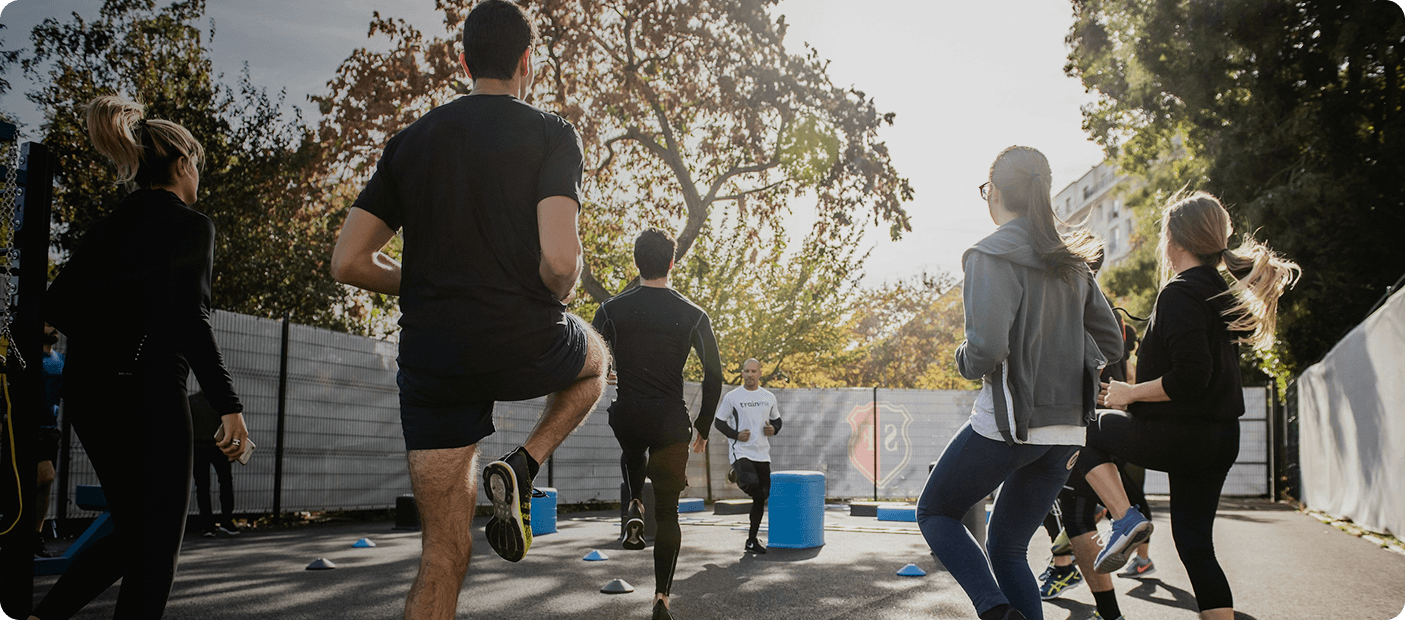
Behavior. The FINGER trial four pillars, adapted for self-directed implementation. Diet: Mediterranean/MIND dietary pattern (the MIND diet specifically combines Mediterranean and DASH patterns and shows the strongest observational association with reduced dementia risk). Exercise: minimum 150 minutes of Zone 2 aerobic activity plus two resistance training sessions weekly. Cognitive training: learning something genuinely new and challenging rather than rehearsing already-mastered skills. Vascular risk management: blood pressure, blood sugar, cholesterol, and sleep quality all modifiable through lifestyle and, if needed, medication.
Threshold. Cognitive reserve accumulates over years and decades rather than weeks. The measurable near-term markers are the proxy indicators: blood pressure, fasting glucose, hs-CRP, and VO2 max all improving together indicates that the biological environment for cognitive reserve is improving. Cognitive testing apps (Cambridge Brain Sciences, CNS Vital Signs) provide repeatable baseline measures that can be tracked annually.
Life Extension Cognitex Basics provides phosphatidylserine, GPC, and uridine in a formula supporting synaptic membrane integrity and acetylcholine synthesis, the neurotransmitter most impaired in Alzheimer’s disease. NOW Foods Acetyl-L-Carnitine 500 mg supports mitochondrial function in neurons and has published evidence for cognitive function improvement in adults with mild cognitive impairment. Pure Encapsulations Ginkgo-PS combines ginkgo biloba extract with phosphatidylserine to support both cerebrovascular and neuronal membranes. Thorne Memoractiv provides a clinically studied formula that includes lion’s mane, phosphatidylserine, and acetyl-L-carnitine, designed specifically to support cognitive reserve.
| Reserve-building activity | Effect size on reserve | Neural mechanism |
|---|---|---|
| Aerobic exercise (Zone 2) | Large; most consistent | BDNF-driven hippocampal neurogenesis; cerebral blood flow |
| Learning a new language | Large; sustained engagement | Executive function networks; neuroplasticity; inhibitory control |
| Learning a musical instrument | Large | Multimodal cortical engagement; motor-auditory integration |
| Social engagement (quality) | Moderate to large | Theory of mind; executive function; emotional regulation |
| Brain training apps | Limited; task-specific | Narrow generalization to trained tasks only |
Source: Livium editorial synthesis based on NIA Memory, Forgetfulness, and Aging and Stern et al., Alzheimer’s and Dementia (2020).
Plan of action
- Identify one genuinely new challenge to take on this month. It should be something at the edge of current competence rather than within the comfort zone. A new language, an instrument, a demanding book, a new craft, a technical skill. The learning stimulus is what builds reserve.
- Implement the FINGER trial’s vascular risk management pillar: blood pressure below 130/80, fasting glucose below 100, hs-CRP below 1.0, and adequate sleep. These four vascular risk factors are the most consistently modifiable dementia risk factors in large longitudinal studies.
- Take baseline cognitive testing on Cambridge Brain Sciences or a similar validated online platform. Retest annually. The longitudinal trajectory is more informative than any single score.
- Prioritize Zone 2 aerobic exercise as the highest single-activity reserve-building investment. The BDNF-hippocampal neurogenesis mechanism is the most consistent neural reserve-building pathway across the evidence base.
Table of Content
Know your body better.
Trusted By Thousands Daily







FAQs
Is it too late to build cognitive reserve at 60?
No. The neuroprotective effect of reserve-building activities is documented in intervention studies in adults in their 60s and 70s. While reserve accumulated earlier in life provides a larger buffer, adding reserve at any age delays the clinical threshold for dementia relative to what it would have been without the additional reserve. The FINGER trial enrolled adults between 60 and 77 and showed meaningful cognitive protection over two years.
Do genetic Alzheimer’s risk factors (APOE4) override cognitive reserve?
No. APOE4 carriers benefit from cognitive reserve building at least as much as non-carriers and possibly more, because their earlier and heavier amyloid accumulation means that delay of symptom onset through reserve is proportionally more valuable. High-reserve APOE4 carriers consistently outperform low-reserve non-APOE4 carriers on cognitive measures in longitudinal studies. Genetic risk does not override lifestyle-built resilience.
Is crossword-puzzle solving enough?
Crosswords improve at crosswords. If the activity is already familiar and habitual, it rehearses existing skills rather than building new neural pathways. An experienced crossword solver doing daily crosswords is in their cognitive comfort zone, which is enjoyable but not maximally reserve-building. True reserve building requires genuine novelty and challenge. The person who has never done crosswords and starts doing them daily is building more reserve than the expert solving their morning puzzle on autopilot.
Legal Disclaimer
The content published on Livium Health is for informational and educational purposes only. Nothing on this site constitutes medical advice, diagnosis, or treatment. Always consult a qualified healthcare provider before making decisions about your health, including changes to medications, supplements, diet, or exercise.
Livium Health is not a medical practice and does not have a patient-provider relationship with its readers. We do not sell supplements, medications, or treatments, and we have no financial relationship with the products or services we reference.
While we work to ensure the information we publish is accurate and up to date, health and medical guidance evolves. We make no guarantees about the completeness or currency of any content on this site. Reliance on any information provided by Livium Health is solely at your own risk.
If you are experiencing a medical emergency, call 911 or your local emergency services immediately.
We may receive compensation, free products, or affiliate commissions for products mentioned in this post. Opinions are our own.