
Share
Longevity & Aging
Men's Health
Women's Health
Hearing supplements: Which ones earn their place (and the seven that don’t)
8 min read

Key takeaways
- The hearing supplement aisle is almost entirely marketing. Most products marketed for hearing health or tinnitus have either no clinical trial data or have failed to outperform placebo in well-designed trials. Lipo-Flavonoid, ConcentRX, and ginkgo biloba fall firmly in this category.
- A short list of micronutrients has genuine research connecting deficiency to hearing function: magnesium, folate and B12, vitamin D, and zinc. None of these will restore damaged hair cells or cure tinnitus. But deficiency in any of them is associated with worse hearing outcomes, and supplementing to sufficiency makes biological sense.
- N-acetyl cysteine (NAC) has the most compelling mechanistic data for noise-induced hearing loss prevention, specifically in the post-exposure oxidative stress window. Human trial data is mixed. It is the most defensible “maybe” in the category.
- The correct starting point is bloodwork, not a supplement. If your folate, B12, vitamin D, or zinc is suboptimal, fixing that deficiency is the intervention. Supplementing beyond sufficient levels provides no additional benefit and is money spent on hope rather than on mechanism.
The supplement aisle is mostly wallpaper
Walk into any pharmacy, and you will find three to five products marketed specifically for hearing health or tinnitus. Lipo-Flavonoid Plus. ConcentRX. Tinnitus 911. Ring Relief. They share a common feature: the marketing is confident, and the clinical evidence is not.
Lipo-Flavonoid has been marketed for tinnitus since the 1960s, based on a theoretical connection between flavonoids and inner-ear circulation. The most rigorous trial conducted on it (Seidman, 2006) showed no significant difference from placebo. It remains on pharmacy shelves because the FDA does not require supplement manufacturers to prove efficacy before selling.
Ginkgo biloba has more published trial data than any other supplement for tinnitus and hearing, and the verdict of the Cochrane review is definitive: no significant benefit over placebo for tinnitus. The theoretical mechanism (improved inner-ear circulation via inhibition of platelet-activating factor) was plausible. The clinical data disagreed.
This is not unusual in supplement research. A plausible mechanism plus a disappointing RCT is the pattern for most hearing supplements. The supplement that passes the mechanism and clinical trial tests in the hearing category is on a short list.
What actually earns its place
Magnesium. The strongest evidence in the prevention category. Multiple studies, including a randomized controlled trial published in Israeli military recruits (Attias et al., 1994), found that magnesium supplementation reduced the incidence and severity of noise-induced temporary threshold shift compared with placebo. The mechanism: magnesium reduces glutamate-driven excitotoxicity in cochlear hair cells during noise exposure and acts as a calcium channel modulator that limits the overstimulation that kills hair cells. It is not a treatment for existing hearing loss. It is a preventive tool for adults exposed to noise.
Folate and B12. The Nurses’ Health Study (Curhan et al., 2015, JAMA Otolaryngology) followed 65,000 women for 18 years and found that higher dietary folate intake was associated with lower risk of hearing loss. A separate Dutch RCT (Durga et al., 2007) found that folic acid supplementation reduced the rate of high-frequency hearing decline in older adults over a 3-year period. B12 shares the folate mechanism via the homocysteine pathway: elevated homocysteine is associated with impaired cochlear blood flow, and both folate and B12 reduce homocysteine. These are not dramatic effects. They are directionally real.
Vitamin D. Low vitamin D is associated with auditory dysfunction in multiple cross-sectional studies. The proposed mechanisms include vitamin D’s role in calcium regulation in the cochlear fluids and its anti-inflammatory effects in the cochlear nerve. Causality is harder to establish because low vitamin D correlates with many other health variables. The practical position: most midlife adults are deficient; supplementing to sufficiency (above 40 ng/mL) confers broad health benefits; and there is no evidence of harm in the context of hearing.
Zinc. Zinc deficiency is associated with higher rates of tinnitus and hearing loss in several studies. A Turkish RCT (Yetiser et al., 2002) found zinc supplementation reduced tinnitus severity in deficient patients. The effect did not appear in zinc-sufficient patients, which is the expected pattern: you cannot supplement your way above sufficiency on a mineral. Test first.
NAC (N-acetyl cysteine). The most interesting “maybe” in the category. If you are in a high-noise-exposure environment, NAC 600 mg taken before and after significant noise events is the most defensible preventive supplement in this category. NAC is a glutathione precursor: it boosts the cochlea’s antioxidant defenses that are depleted during and after noise exposure. Animal data on NAC for noise-induced hearing loss is compelling. Human data are mixed: two US military trials (Le Prell et al.) showed benefit, but other trials have not consistently replicated this effect. The Defense Department has funded multiple studies on NAC specifically for noise protection in military contexts, which is at least a signal that the mechanism is taken seriously by people with resources at stake. Not a clear recommendation. A defensible option for high-noise-exposure situations.
The ones that do not work
Ginkgo biloba. Cochrane review: no benefit for tinnitus. Three independent RCTs confirm. Skip it.
Lipo-Flavonoid. No evidence of benefit in controlled trials. The physician-written endorsements on the packaging do not constitute clinical evidence. Marketing.
Melatonin for tinnitus. Two small studies showed modest improvement in tinnitus-related sleep quality (not tinnitus loudness) in adults with concurrent insomnia. The effect was on sleep, not hearing. If you have tinnitus and insomnia, melatonin may help the sleep. It will not change the tinnitus.
Alpha lipoic acid. Strong antioxidant with plausible cochlear mechanism. Animal data positive. Human trial data for hearing: insufficient to recommend.
CoQ10. No published RCT evidence for hearing benefit in humans. Theoretically relevant given the mitochondrial energy demand of cochlear hair cells. Not enough data to recommend.
Vinpocetine. Vasodilator supplement marketed for cerebral circulation and tinnitus. No convincing human trial data for either indication.
Branded tinnitus stacks (Tinnitus 911, Ring Relief, Silencil, and similar). Multi-ingredient formulations with no published clinical data for the as-formulated state. The individual ingredients appear at concentrations unrelated to the doses used in research. Marketing sold as medicine.
The Livium recipe
Tool. Bloodwork first. Check folate, B12, vitamin D, zinc, and homocysteine before buying anything. Function Health covers all of these in a single annual panel. Supplement only what is deficient. For the short list that earns its place, magnesium glycinate (the form with the best absorption and the lowest GI side-effect profile) is the most broadly applicable. Thorne Magnesium Bisglycinate at 200 to 400 mg daily is the form and dose with the most backing. Folate and B12 together for anyone with elevated homocysteine or low B12: a methylated B-complex covers both with better bioavailability than cyanocobalamin-based products.
Behavior. The Curhan dietary data (from the Nurses’ Health Study) suggest that dietary intake matters independently of supplementation. Long-chain omega-3 fatty acids (from fish, particularly fatty fish, consumed two or more times per week) were associated with a lower risk of hearing loss in that cohort. The dietary pattern that tends to produce adequate levels of micronutrients, with strong evidence (Mediterranean-adjacent, high vegetable and legume intake, moderate fish), is the same pattern associated with cardiovascular and cognitive health. This is not a coincidence. Cochlear blood flow reflects cardiovascular health in very small vessels. What is good for the larger vessels is good for the labyrinthine artery.
Threshold. No supplement on this list will reverse existing hearing loss or meaningfully reduce tinnitus loudness in a person with normal micronutrient levels. The realistic expected outcomes of supplementation to sufficiency in deficient adults are: slowing the rate of further decline, possibly improving tinnitus-related symptoms, and supporting cochlear blood flow and antioxidant defense. That is worth doing. It is not worth confusing with treatment.
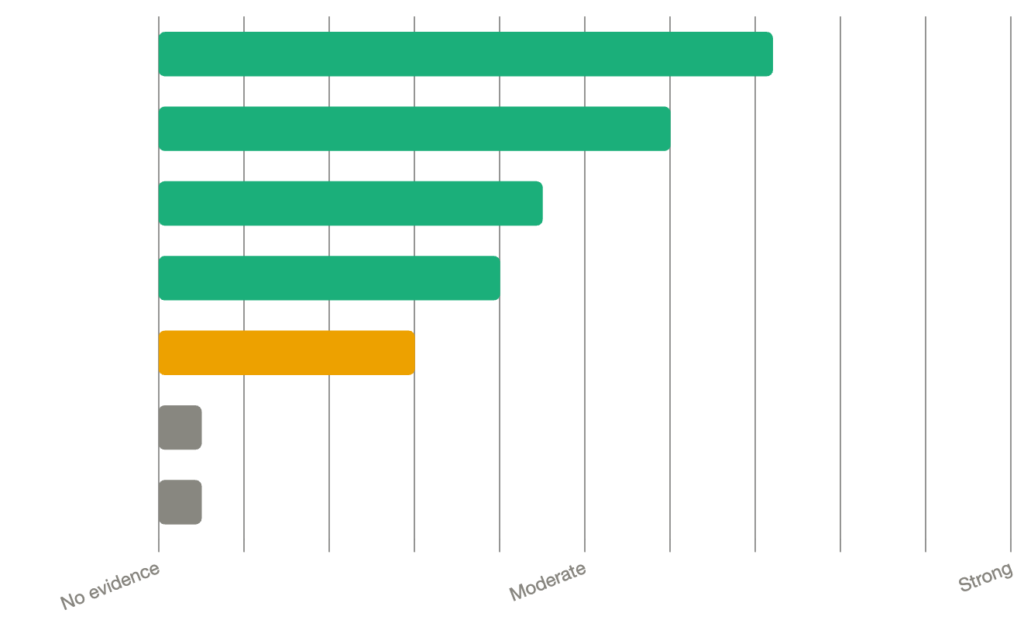
| Supplement | Evidence quality | Livium verdict | Condition |
|---|---|---|---|
| Magnesium | Moderate (RCT for noise prevention) | Yes, for noise-exposed adults | Prevention, not treatment |
| Folate and B12 | Moderate (Nurses’ Health, Dutch RCT) | Yes, if deficient or elevated homocysteine | Test first |
| Vitamin D | Weak (observational; no RCT for hearing) | Yes, to sufficiency (broad benefit) | Test first |
| Zinc | Weak (one RCT, deficient patients only) | Yes, if deficient | Test first; excess zinc is harmful |
| NAC | Mixed (animal strong; human inconsistent) | Maybe, for high noise-exposure situations | Not proven; defensible bet |
| Ginkgo biloba | Strong negative (Cochrane review) | No | Skip it |
| Lipo-Flavonoid | No controlled evidence | No | Skip it |
Source: NIH Office of Dietary Supplements and Curhan et al., JAMA Otolaryngology (2015) dietary intake and hearing loss study.
Plan of action
- Run a bloodwork panel that includes B12, folate, vitamin D, zinc, and homocysteine before buying any hearing supplement. If those levels are in the optimal range, supplementing them will not improve your hearing and is not a useful spend. Function Health covers all of these in one draw.
- If you are regularly in noise-exposed environments (concerts, motorcycles, power tools, occupational noise), magnesium glycinate daily is the most defensible preventive supplement with actual mechanism data. Thorne Magnesium Bisglycinate is the form with the best absorption and the one used in the relevant research.
- If you have tinnitus and are researching supplements for it: the Cochrane review on ginkgo biloba for tinnitus is freely available and is the most comprehensive summary of the evidence. Read it before spending money on any tinnitus supplement. The answer is consistent across the included trials.
- Supplement vitamin D if your level is below 40 ng/mL: Vitamin D3 and K2 are the standard paired form. Eat two or more servings of fatty fish per week. The Curhan data on omega-3 intake and hearing loss is observational, but the dietary pattern is broadly healthy, and there is no plausible downside. Eating salmon, mackerel, sardines, or herring once or twice a week is the dietary version of a hearing-maintenance protocol, backed by decades of cardiovascular evidence.
Table of Content

Know your body better.
Trusted By Thousands Daily




FAQs
My ENT recommended Lipo-Flavonoid. Should I trust that?
Many ENTs recommend Lipo-Flavonoid because it is harmless, patients want something to do, and there is no better supplement option they can confidently point to. The recommendation is not based on evidence of efficacy. It is a low-harm placeholder in a category with very few better options. The Cochrane review position on Lipo-Flavonoid and similar flavonoid preparations for tinnitus is the same as for ginkgo: no convincing evidence of benefit. Your ENT is not wrong that it is safe. They are not basing the recommendation on trial data.
Can I take too much zinc?
Yes. Zinc toxicity from supplementation causes nausea, impairs copper absorption (leading to copper deficiency), and at very high doses causes neurological damage. The tolerable upper limit for zinc is 40 mg per day for adults. Most zinc supplements are 15 to 25 mg. Do not take multiple zinc-containing supplements simultaneously without checking total intake. This is why testing first matters: if your zinc is already within the normal range, supplementing it provides no benefit and poses unnecessary risk of excessive intake.
Will any supplement help with age-related hearing loss that is already present?
No supplement currently has evidence to reverse or meaningfully slow existing sensorineural hearing loss in adults. The micronutrients described above are associated with the rate of future decline, not with the recovery of existing loss. Hair cells that are gone do not come back with any currently available supplement or drug. The treatments that address existing hearing loss are hearing aids and cochlear implants, not supplements. The supplement argument is always about maintenance and prevention, not restoration.
Legal Disclaimer
The content published on Livium Health is for informational and educational purposes only. Nothing on this site constitutes medical advice, diagnosis, or treatment. Always consult a qualified healthcare provider before making decisions about your health, including changes to medications, supplements, diet, or exercise.
Livium Health is not a medical practice and does not have a patient-provider relationship with its readers. We do not sell supplements, medications, or treatments, and we have no financial relationship with the products or services we reference.
While we work to ensure the information we publish is accurate and up to date, health and medical guidance evolves. We make no guarantees about the completeness or currency of any content on this site. Reliance on any information provided by Livium Health is solely at your own risk.
If you are experiencing a medical emergency, call 911 or your local emergency services immediately.
We may receive compensation, free products, or affiliate commissions for products mentioned in this post. Opinions are our own.