
Share
Men's Health
Mental Health
Women's Health
How alcohol became your anxiety medication
6 min read
Key takeaways
- Alcohol is a GABA agonist and NMDA antagonist. It produces genuine short-term anxiolytic effects through the same receptor systems as benzodiazepines. The relief is pharmacologically real.
- The brain adapts to repeated alcohol exposure by downregulating GABA sensitivity and upregulating glutamate activity. The neuroadapted brain is more anxious between drinks than it was before drinking began.
- The anxiety that appears in the morning after drinking is not the person’s original anxiety returning. It is neuroadaptation-generated anxiety that did not exist before the drinking pattern started.
- The loop is not a character flaw. It is predictable pharmacology. The exit from the loop is not willpower. It is understanding the mechanism and addressing the underlying anxiety that the alcohol was originally masking.
It works. That is the problem
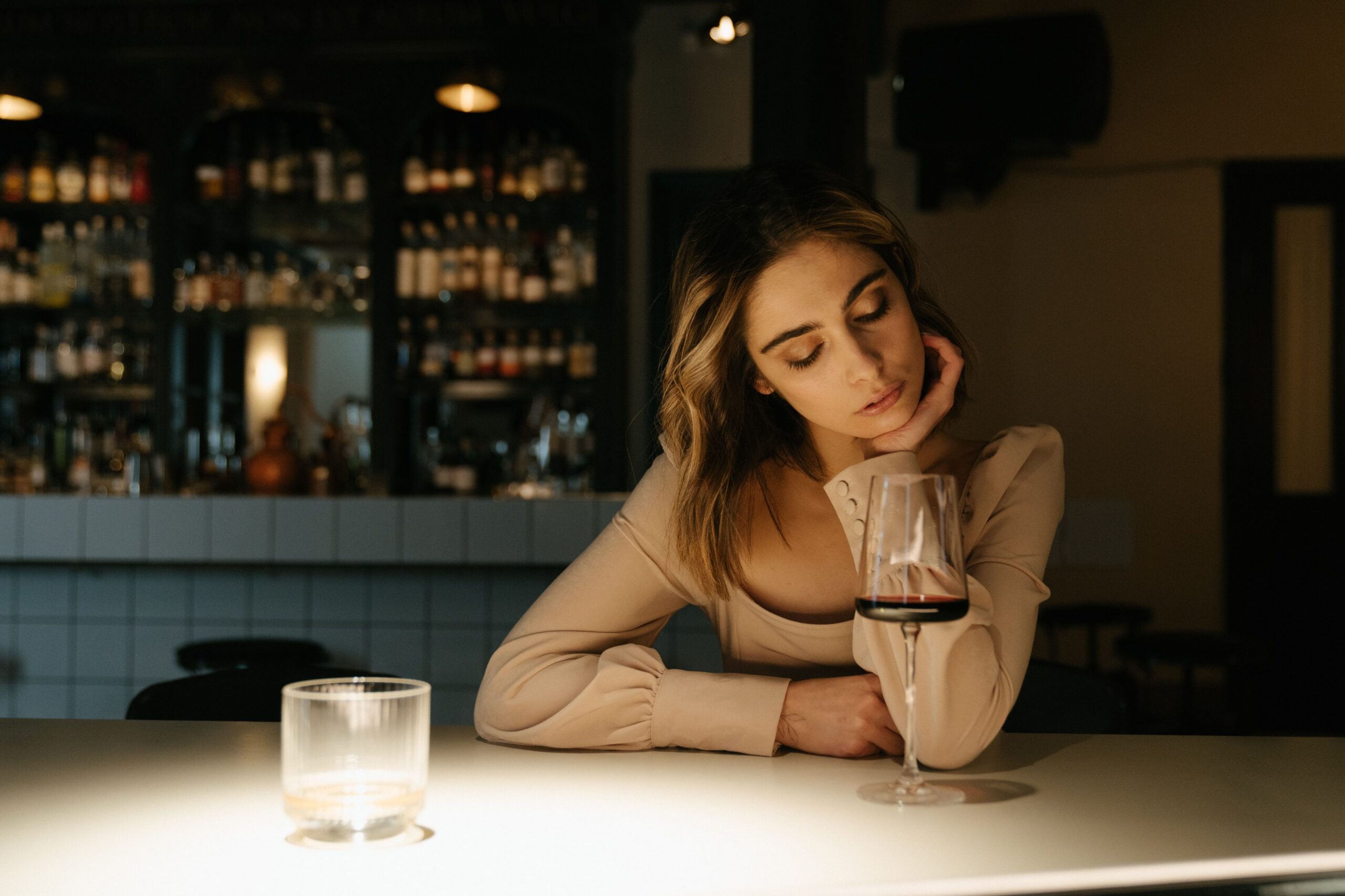
The wine at 6 PM actually reduces anxiety. Not through distraction, not through placebo, but through direct GABAergic pharmacology that functions identically to a low-dose benzodiazepine. The GABA-A receptors that alcohol binds are the same receptors targeted by Valium, Klonopin, and Xanax. Alcohol is an anxiolytic. For many people managing workplace stress, relationship friction, or chronic low-grade anxiety, it is the most immediately available and socially acceptable one.
The problem is not that it works in the short term. The problem is what happens in the medium term when the brain starts adapting to the daily GABAergic load. Within weeks to months of regular drinking, the brain compensates by reducing GABA receptor sensitivity and increasing glutamate (the excitatory counterpart) activity. The anxiolytic effect per drink diminishes. More is needed for the same relief. And between drinks, the neuroadapted brain is now running hotter than it was before the drinking started, with higher baseline anxiety, higher stress reactivity, and a nervous system that only achieves normal function when alcohol is present.
The morning anxiety is new
Most people who drink regularly to manage anxiety eventually notice that their morning anxiety is worse than it was years ago. They attribute this to life getting harder, to aging, to accumulating stress. Some of it may be those things. A meaningful portion of it is neuroadaptation. The glutamate upregulation that produces the anxiolytic tolerance also produces rebound excitability in the hours and days following each drinking episode. The hangover anxiety, sometimes called “hangxiety,” is not the original anxiety reasserting itself. It is a new layer of anxiety that the drinking pattern created.
This matters because it closes the loop with pharmacological efficiency. Anxiety in the morning drives drinking in the evening to manage the anxiety. The drinking worsens the morning anxiety. The worsened morning anxiety increases the drinking. This cycle can run for years before the person recognizes that the anxiety driving the drinking is partially a product of the drinking.

The Livium recipe
Tool. The Alcohol Use Disorders Identification Test (AUDIT-C) is a validated three-question screening tool. A score above 3 in women and 4 in men suggests hazardous drinking. More importantly, honest tracking of when drinking occurs and what precedes it, using a simple journal for two weeks, typically reveals the anxiety-alcohol link clearly. Noting the context of each drinking episode (stress level beforehand, time of day, social setting) makes the pattern visible in a way that changes the relationship with the behavior.
Behavior. Two interventions with the most evidence for breaking the anxiety-alcohol loop. First: address the underlying anxiety through behavioral means (the cortisol management protocol in the anxiety article in this library, therapy, aerobic exercise) so that alcohol is no longer providing the primary anxiety management function. Second: a structured reduction in drinking with attention to the neuroadaptation reversal timeline. The GABA system begins recovering within two to four weeks of reduced or eliminated alcohol. Anxiety will often worsen during the first week as glutamate upregulation is no longer suppressed. Knowing this prevents the person from interpreting the worsening as evidence that they need to drink.
Threshold. After four weeks of meaningfully reduced drinking: morning anxiety should have reduced from its peak (the neuroadaptation rebound) and begun declining toward a new lower baseline as the GABA system recovers. If anxiety remains severe through four weeks of reduced drinking, the underlying anxiety disorder that predated the drinking is still present and requires its own treatment. If anxiety reduces substantially, the drinking was the primary driver of the morning anxiety the person thought was their baseline.
The nutritional support layer
Pure Encapsulations Relora combines magnolia bark and phellodendron bark extracts that modulate cortisol and GABA receptor activity through non-benzodiazepine mechanisms. In two published RCTs, Relora reduced cortisol and anxiety in adults under stress without producing tolerance or dependence. It is the most directly studied non-pharmaceutical GABA-modulating alternative for anxiety management during alcohol reduction.
Life Extension Liver Efficiency Formula addresses the hepatic burden of alcohol metabolism, supporting glutathione production and liver detoxification pathways that are stressed by chronic alcohol exposure. N-acetyl cysteine (NAC) is the most directly evidence-supported liver-protective supplement in the context of alcohol use. Jarrow NAC 600 mg provides the glutathione precursor that both liver protection and neurological antioxidant defense require during the alcohol-reduction period.
Pure Encapsulations Glycine 1,000 mg before bed supports GABA receptor function and reduces nighttime anxiety during the neuroadaptation recovery period. Glycine is a co-agonist at NMDA glutamate receptors, helping modulate the glutamate upregulation that produces the anxiety rebound, and simultaneously reduces core body temperature to support sleep onset during the typically disrupted sleep of early alcohol reduction.
The anxiety-alcohol loop: how it builds and how it breaks
| Stage | What is happening | What it feels like |
|---|---|---|
| Initial use | Alcohol activates GABA-A; anxiety reduces reliably | Evening relief; manageable |
| Weeks to months of regular use | GABA receptors downregulate; glutamate upregulates | Need more for same effect; morning anxiety increases |
| Established pattern | Neuroadapted brain has higher anxiety baseline; alcohol normalizes it | Drinking feels necessary; mornings increasingly difficult |
| Attempt to reduce | Glutamate upregulation no longer suppressed; rebound excitability | Anxiety worsens in first 1–2 weeks; feels like evidence to resume |
| Recovery (2–4 weeks sustained) | GABA system begins recovering; glutamate downregulates toward baseline | Anxiety reduces below the drinking-pattern baseline |
Source: Livium editorial synthesis based on NIAAA Understanding Alcohol Use Disorder and Gilpin and Koob, Alcohol Research and Health (2008).
Plan of action
- Complete the AUDIT-C this week. Three questions, takes two minutes. A score above the threshold is a prompt for a conversation with a physician, not a verdict on character.
- Track drinking context for two weeks. Note what precedes each episode, specifically stress level, anxiety level, and social context. The pattern is usually visible within one week.
- If anxiety is driving the drinking, address the anxiety directly through the behavioral interventions in the anxiety article in this library. Reducing the anxiety load reduces the pharmacological need for alcohol.
- If dependency is present (morning shaking, inability to reduce despite trying, seizure history), medical supervision of alcohol reduction is required. Benzodiazepine-assisted detox prevents potentially dangerous withdrawal in people with physical dependence.
Table of Content
Know your body better.
Trusted By Thousands Daily
FAQs
Is one or two drinks per day a problem?
It depends on the function it serves. One drink daily to accompany dinner in a social context is different from one drink daily to manage the anxiety of arriving home from work. The quantity is the same. The neurobiological function is different. The pattern that produces tolerance and rebound anxiety does not require heavy drinking to establish. Regular, anxiety-motivated drinking at moderate levels can still produce the neuroadaptation cycle described in this article.
Can medication help break the anxiety-alcohol loop?
Yes. Naltrexone reduces the rewarding effect of alcohol and has published evidence for reducing drinking. Non-addictive anxiolytics (buspirone, gabapentin under some protocols) can address the underlying anxiety that is driving the drinking without the dependence risk of benzodiazepines. These are medical conversations, not supplement decisions.
Does this apply equally to men and women?
The neurobiological mechanism is identical. The epidemiology differs: women develop alcohol use disorder faster than men at equivalent consumption levels (telescoping), have higher blood alcohol concentration at equivalent doses due to lower body water percentage and lower alcohol dehydrogenase activity, and experience more severe health consequences at lower consumption levels. Women are also more likely to be drinking for anxiety management, while men are more likely to be drinking for social facilitation or habituation.
Legal Disclaimer
The content published on Livium Health is for informational and educational purposes only. Nothing on this site constitutes medical advice, diagnosis, or treatment. Always consult a qualified healthcare provider before making decisions about your health, including changes to medications, supplements, diet, or exercise.
Livium Health is not a medical practice and does not have a patient-provider relationship with its readers. We do not sell supplements, medications, or treatments, and we have no financial relationship with the products or services we reference.
While we work to ensure the information we publish is accurate and up to date, health and medical guidance evolves. We make no guarantees about the completeness or currency of any content on this site. Reliance on any information provided by Livium Health is solely at your own risk.
If you are experiencing a medical emergency, call 911 or your local emergency services immediately.
We may receive compensation, free products, or affiliate commissions for products mentioned in this post. Opinions are our own.