
Share
Longevity & Aging
Men's Health
Women's Health
Inflammation is aging: What drives it and what the evidence says about lowering it
5 min read

Key takeaways
- Inflammaging, the term coined by Claudio Franceschi for the low-grade chronic systemic inflammation that characterizes aging, is now recognized as the common driver of most major age-related diseases: cardiovascular disease, cancer, neurodegeneration, diabetes, and osteoarthritis.
- hs-CRP above 1.0 mg/L in the absence of acute infection or injury is a signal of background inflammaging that substantially increases risk across multiple organ systems simultaneously.
- The five major drivers of inflammaging in midlife adults: visceral adiposity, dysbiosis (gut microbiome imbalance), senescent cell SASP secretion, periodontal disease, and social isolation. Each is addressable.
- Mediterranean dietary pattern reduces hs-CRP by 20 to 25 percent within 12 weeks in published trials and is the most potent single dietary intervention for systemic inflammation reduction with the longest evidence base.
Inflammaging: The biological background hum of aging
Inflammation is the immune system’s acute protective response to injury, infection, and cellular damage. It is a short-term process designed to resolve. Inflammaging is something categorically different: a persistent, low-grade activation of the innate immune system that does not resolve because its drivers are chronic rather than acute. The senescent cells secreting SASP, the visceral fat secreting adipokines, the dysbiotic gut leaking LPS, the periodontal bacteria releasing endotoxins into the bloodstream. These are continuous inflammatory inputs that the immune system cannot switch off because they do not resolve.
The downstream consequences span every organ system. In the vasculature, NF-kB activation drives endothelial dysfunction and atherosclerosis. In the brain, microglial activation produces the neuroinflammation associated with Alzheimer’s disease. In muscle, TNF-alpha promotes catabolism and drives sarcopenia. In metabolic tissue, IL-6 and IL-1beta promote insulin resistance. Inflammaging does not kill through one mechanism. It accelerates deterioration across every system simultaneously.
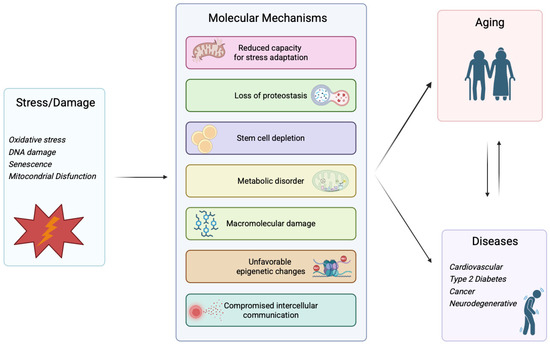
Inflammaging is driven by senescent cells secreting SASP factors — a feedback loop of mitochondrial dysfunction, telomere attrition, impaired autophagy, and gut dysbiosis that sustains systemic low-grade inflammation and underlies cardiovascular disease, neurodegeneration, cancer, and metabolic decline simultaneously. Source: Ranieri et al., Cells 2025, 14(22), 1831 — From Senescent Cells to Systemic Inflammation: Inflammaging in Age-Related Disease. CC BY 4.0.
The five drivers and their interventions
Visceral adiposity. Visceral fat is metabolically active and secretes IL-6, TNF-alpha, leptin, and resistin continuously. Every kilogram of visceral fat reduction produces measurable hs-CRP improvement. Zone 2 aerobic exercise and caloric moderation specifically reduce visceral fat more effectively than subcutaneous fat and are the highest-leverage visceral fat interventions.
Gut dysbiosis. A dysbiotic gut microbiome produces increased intestinal permeability that allows bacterial lipopolysaccharide (LPS) into systemic circulation. LPS activates TLR4 receptors throughout the body and drives NF-kB inflammatory signaling. Mediterranean diet, fermented foods, and prebiotic fiber improve microbiome composition and reduce intestinal permeability within six to eight weeks.
Senescent cell SASP. Covered in the senescent cell article in this library. Fisetin and quercetin-based senolytic protocols, monthly fasting, and consistent exercise that promotes immune clearance of senescent cells address this driver.
Periodontal disease. An underappreciated driver of systemic inflammation. Periodontal bacteria in the subgingival biofilm of adults with gum disease release endotoxins into the bloodstream through inflamed periodontal tissue. Periodontal disease is associated with significantly elevated hs-CRP, cardiovascular disease, and Alzheimer’s disease risk through this mechanism. Professional dental cleaning twice yearly and consistent twice-daily flossing are among the lowest-effort longevity interventions with disproportionate systemic inflammation benefit.
Social isolation. As covered in the loneliness and social connection articles in this library, social isolation drives cortisol elevation and NF-kB activation through perceived threat pathways. hs-CRP is significantly higher in socially isolated adults compared to those with adequate connection, and the biological mechanism connects directly to inflammaging pathways.
The Livium recipe
Tool. hs-CRP annually as the primary inflammaging biomarker. Target below 1.0 mg/L; above 3.0 mg/L indicates high cardiovascular and systemic disease risk. Add IL-6 and fibrinogen for a more complete picture of the inflammatory tone. These three markers together provide a comprehensive inflammaging assessment at minimal cost.
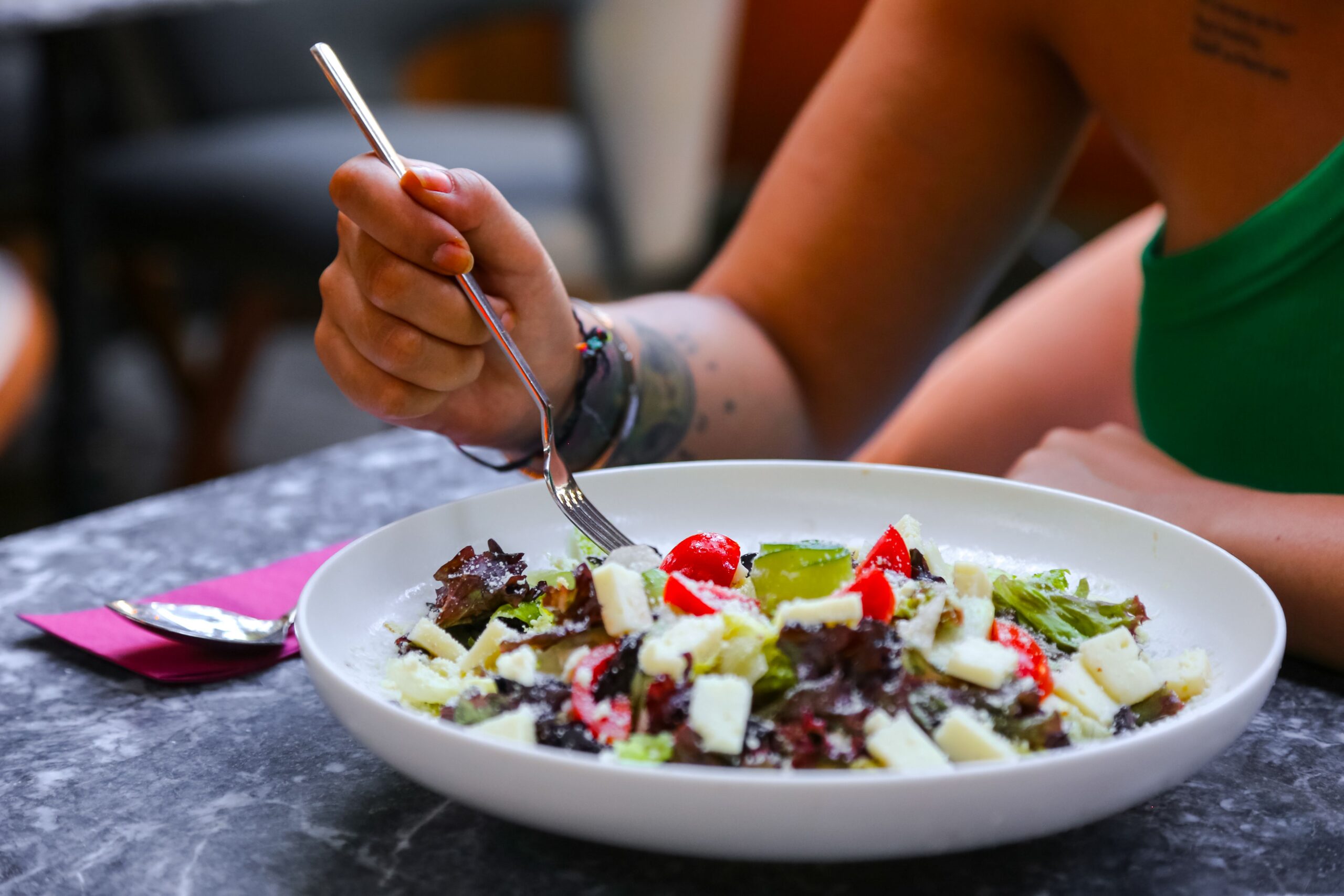
Behavior. Mediterranean dietary pattern as the primary anti-inflammatory dietary intervention. Specifically: olive oil as the primary fat, two to three servings of fatty fish weekly, abundant vegetables and legumes, moderate whole grains, nuts as snacks, and very limited ultra-processed food. The PREDIMED trial showed the Mediterranean diet with extra olive oil reducing major cardiovascular events by 30 percent and hs-CRP by 20 to 25 percent over five years.
Threshold. After 12 weeks of Mediterranean diet with anti-inflammatory supplement support: hs-CRP should decline by 20 to 30 percent from baseline. If it remains elevated despite dietary change, investigate the five drivers specifically. Elevated hs-CRP that does not respond to diet usually reflects a specific persistent driver (periodontal disease, gut dysbiosis, visceral fat, OSA, or persistent social isolation) that needs targeted intervention.
Life Extension Certified European Olive Leaf Extract provides oleuropein at doses shown to reduce NF-kB activity and hs-CRP in multiple trials, providing Mediterranean-pattern anti-inflammatory benefits in supplement form. NOW Foods Astaxanthin 4 mg is the most potent carotenoid antioxidant measured in vitro, with published human trials showing hs-CRP reduction and immune function improvement. Pure Encapsulations EPA/DHA Essentials at 2,000 to 3,000 mg EPA/DHA daily reduces IL-6, TNF-alpha, and hs-CRP through competitive inhibition of arachidonic acid inflammatory pathways; the EPA fraction is the most anti-inflammatory. Thorne Curcumin Phytosome inhibits NF-kB and reduces COX-2 prostaglandin production; the phytosome formulation achieves meaningful plasma concentrations where standard curcumin does not.
| Inflammaging driver | hs-CRP contribution | Primary intervention | Timeline to improvement |
|---|---|---|---|
| Visceral adiposity | Moderate to high | Zone 2 exercise; caloric moderation | 12–24 weeks |
| Gut dysbiosis | Moderate | Mediterranean diet; probiotics; fermented foods | 6–12 weeks |
| Periodontal disease | Moderate to high (often unsuspected) | Professional cleaning; consistent flossing | 8–16 weeks post-treatment |
| Senescent cells (SASP) | Moderate | Fisetin pulse; exercise | 3–6 months |
| Social isolation | Moderate | Recurring social commitment; relationship investment | 3–6 months |
Source: Livium editorial synthesis based on NIA Inflammation and Aging and Franceschi et al., Annual Review of Immunology (2018).
Plan of action
- Get hs-CRP tested this year if it has not been checked recently. A result above 1.0 mg/L without acute illness is inflammaging and warrants systematic investigation of the five drivers.
- Schedule a dental cleaning this month if it has been more than six months. The hs-CRP impact of treating periodontal disease is consistently underestimated because the relationship between oral and systemic inflammation is underappreciated outside specialist circles.
- Shift toward a Mediterranean dietary pattern this week. Start with olive oil as the primary cooking fat and two servings of fatty fish weekly. These two changes alone produce measurable hs-CRP improvement within six to eight weeks.
- Retest hs-CRP at 12 weeks after dietary and lifestyle changes. If improvement is less than expected, identify which of the five drivers is persisting and address it specifically rather than increasing supplement doses.
Table of Content

Know your body better.
Trusted By Thousands Daily



FAQs
Is ibuprofen useful for reducing chronic inflammation?
No, for inflammaging specifically. NSAIDs address acute prostaglandin-driven inflammation through COX inhibition. The chronic NF-κB-driven inflammation of inflammaging is driven by multiple pathways that NSAIDs do not significantly target at safe chronic doses. Regular NSAID use carries GI, cardiovascular, and kidney risks that outweigh any anti-inflammaging benefit at the doses that would be required. NSAIDs are appropriate for acute pain and acute inflammation. They are not appropriate for the management of chronic inflammaging.
Can high hs-CRP during exercise be confused with inflammaging?
Exercise does transiently raise hs-CRP in the 24 to 48 hours following intense training. Blood draws for baseline hs-CRP should not be taken within 48 hours of intense exercise. Chronic exercisers have lower resting hs-CRP than sedentary adults despite the transient post-exercise elevation, because the adaptations from regular exercise reduce baseline inflammatory load substantially.
What about the anti-aging potential of NF-kB inhibitors?
NF-kB is the master transcription factor for the inflammatory gene expression that drives inflammaging. Direct NF-kB inhibitors are being studied as anti-aging compounds. Curcumin, quercetin, resveratrol, and oleuropein each inhibit NF-kB through different mechanisms. Pharmaceutical NF-kB inhibitors exist but have complex immune suppression profiles that make systemic chronic use problematic for healthy adults. The supplement-level NF-kB inhibition from curcumin and olive compounds represents the practically accessible version of this approach.
Legal Disclaimer
The content published on Livium Health is for informational and educational purposes only. Nothing on this site constitutes medical advice, diagnosis, or treatment. Always consult a qualified healthcare provider before making decisions about your health, including changes to medications, supplements, diet, or exercise.
Livium Health is not a medical practice and does not have a patient-provider relationship with its readers. We do not sell supplements, medications, or treatments, and we have no financial relationship with the products or services we reference.
While we work to ensure the information we publish is accurate and up to date, health and medical guidance evolves. We make no guarantees about the completeness or currency of any content on this site. Reliance on any information provided by Livium Health is solely at your own risk.
If you are experiencing a medical emergency, call 911 or your local emergency services immediately.
We may receive compensation, free products, or affiliate commissions for products mentioned in this post. Opinions are our own.