
Share
Energy & Focus
Women's Health
Iron and energy after 40: The deficiency hiding in plain sight
5 min read

Key takeaways
- Iron deficiency without anemia (low ferritin with normal hemoglobin) is the most underdiagnosed cause of fatigue in women 40 to 55. Most standard panels miss it because they check hemoglobin, not ferritin.
- A ferritin of 35 ng/mL reads “in range” but is not the same as a ferritin that supports full energy, cognition, and hair retention. The functional target is above 70 ng/mL.
- Food-first is the right approach for ferritin between 30 and 70 ng/mL. Below 30 ng/mL with symptoms, an oral iron supplement is warranted and effective.
- The form of iron supplement matters more than the dose. Ferrous bisglycinate is absorbed better and causes significantly less GI discomfort than ferrous sulfate.
Your hemoglobin is normal. Your ferritin is not
You are tired. Brain a little foggy. Hair coming out more than it used to. Hands cold even in a warm room. The blood test your doctor ran said nothing is wrong.
What the test checked was hemoglobin, the iron-containing protein in red blood cells that carries oxygen. If hemoglobin is low you are anemic and a doctor will notice. But hemoglobin is the last domino to fall. Before hemoglobin drops, the body depletes its iron stores. Those stores are measured by ferritin. And ferritin is almost never on the standard panel unless you specifically ask for it.
So you can have a ferritin of 28 ng/mL (low enough to produce every symptom above) while hemoglobin reads perfectly normal. Two different numbers. Completely different stories.
What is actually happening
Iron is the core of hemoglobin, but it is also required for dozens of enzymatic processes that drive energy production, cognitive function, immune response, and thyroid hormone activation. When iron stores drop, the body prioritizes hemoglobin production over those secondary functions. Hemoglobin stays normal while everything else quietly deteriorates.
The mechanism is specific: low ferritin reduces synthesis of myoglobin (muscle oxygen storage), impairs mitochondrial enzymes involved in ATP production, and reduces activity of certain enzymes required for dopamine and serotonin synthesis. The result is not just physical fatigue. It is cognitive slowness, low mood, and reduced motivation that looks a lot like depression and is often treated as such.
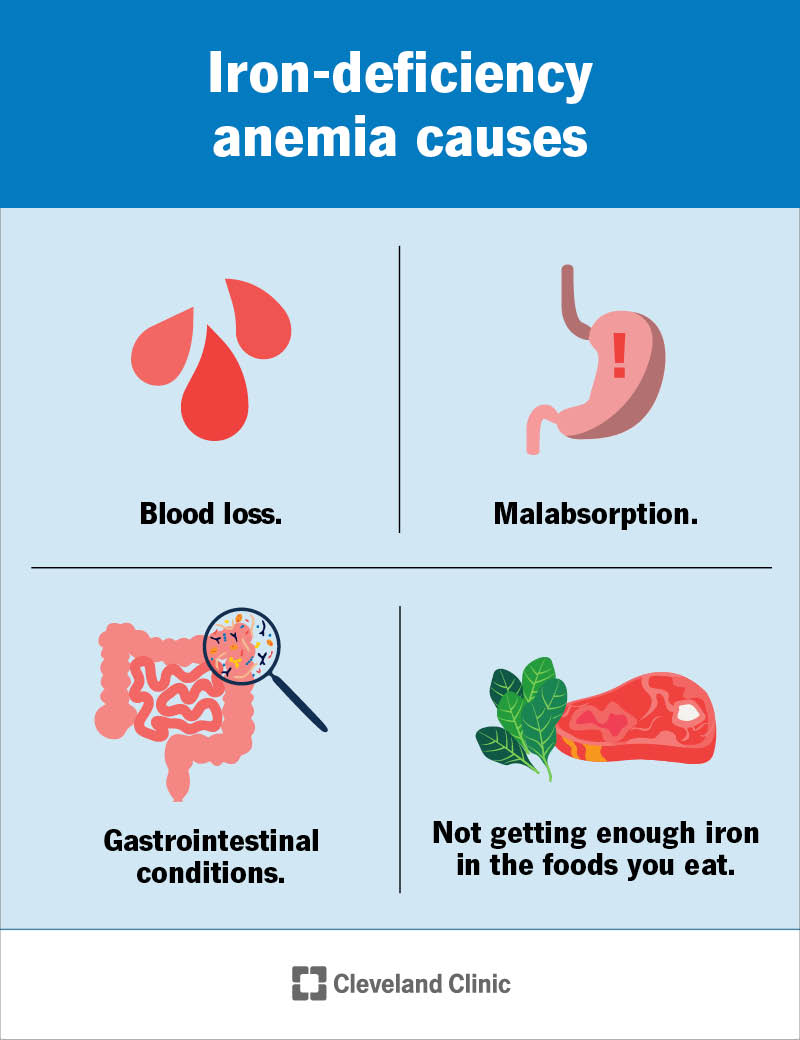
Women in the 40 to 55 range are the highest-risk group. Menstruation has been drawing down iron stores for decades, dietary iron is often insufficient, and perimenopause can produce heavier periods in the years before cycles stop. A woman can enter her 40s already running a deficit and spend years slowly depleting reserves before anyone checks ferritin.
What you have probably already tried
More sleep. Does not address a nutrient deficit. You can sleep nine hours with ferritin at 22 ng/mL and wake up still depleted because the problem is not tiredness. It is the lack of iron available for cellular energy production.
A multivitamin with iron. Most multivitamins contain 8 to 18 mg of elemental iron, typically as ferrous sulfate. This is enough to prevent deficiency in a healthy person who is not already depleted. It is not enough to rebuild stores that have been running low for years. The therapeutic dose for repletion is 60 to 120 mg of elemental iron per day as a targeted supplement.
More leafy greens. The intent is right. The math does not close. Leafy greens contain non-heme iron absorbing at 2 to 20 percent. Red meat and shellfish contain heme iron absorbing at 15 to 35 percent regardless of meal context. A spinach salad does not deliver the iron of a 4-ounce serving of red meat.
The Livium take. The supplement aisle has a specific right answer here: ferrous bisglycinate at a therapeutic dose, taken separately from calcium and coffee. But you need the ferritin number first. High-dose iron supplementation with normal or high ferritin is not harmless. Test before you supplement.
The Livium recipe
Tool. Order a standalone ferritin test. Ferritin is a $25 to $40 standalone test at most direct-to-consumer lab services and is included in the Function Health full panel. Do not rely on a hemoglobin or CBC result to assess iron status. They measure different things.
Behavior. If ferritin is between 30 and 70 ng/mL: food-first for eight weeks. Red meat three times per week is the highest practical dietary source of heme iron. Clams and oysters are the highest sources gram for gram but frequency is harder to sustain. Add vitamin C at iron-rich meals (a glass of orange juice or a squeeze of lemon) to increase non-heme iron absorption. Separate iron-rich meals from coffee and calcium by at least one hour in each direction. Both block absorption at the gut level. If ferritin is below 30 ng/mL with symptoms: add ferrous bisglycinate (not ferrous sulfate) at 25 to 60 mg of elemental iron per day, taken on an empty stomach or with vitamin C, and retest at eight weeks.
Threshold. Ferritin above 70 ng/mL. Not “in range.” Above 70. Hair loss typically stops reversing before 70 but the energy benefit accelerates above it. Retest at eight weeks from the start of the intervention.
| Ferritin level | What it means | Recommended approach | Retest at |
|---|---|---|---|
| Above 70 ng/mL | Stores adequate; iron unlikely to be driving fatigue | Maintain diet; investigate other causes | Annual |
| 30 to 70 ng/mL | Suboptimal; may explain fatigue, hair changes, fog | Food-first: red meat 3x/week, vitamin C pairing, separate from coffee and calcium | 8 weeks |
| Below 30 ng/mL | Deficient; food alone is too slow | Ferrous bisglycinate 25 to 60 mg elemental iron daily; also address diet | 8 weeks |
| Below 15 ng/mL | Severely depleted; investigate cause (GI bleeding, malabsorption, heavy periods) | Oral iron plus workup with a physician | 6 weeks |
Source: Livium editorial synthesis based on Harvard Health Publishing iron deficiency guidance and standard clinical ferritin thresholds.
Plan of action
- Order a ferritin test this week, not a CBC, not hemoglobin, ferritin specifically. Available through Function Health or as a standalone order at most direct-to-consumer lab services.
- While waiting for results: add red meat to the menu twice this week. Pair each meal with orange juice or lemon water. Move morning coffee to 30 minutes after eating.
- When results arrive, match to the table above and choose the appropriate approach. Do not supplement if ferritin is above 70 ng/mL.
- If below 30 ng/mL: choose ferrous bisglycinate over ferrous sulfate. The GI difference is real and determines whether you actually complete the eight-week course.
- Retest at eight weeks. Ferritin moves slowly. Do not stop supplementing at four weeks because symptoms have improved. The number may not have caught up with how you feel yet.
Table of Content

Know your body better.
Trusted By Thousands Daily




FAQ
Can men have low ferritin?
Yes, though it is less common than in women. Men with a history of frequent blood donation, GI inflammation, malabsorption conditions like celiac disease, or heavy endurance training are at elevated risk. The same symptoms apply: fatigue, brain fog, poor exercise recovery, reduced motivation.
Will ferritin keep rising if I over-supplement?
Yes. Very high ferritin (above 200 to 300 ng/mL) has its own risks and is associated with inflammatory conditions and iron overload disorders. The goal is 70 to 150 ng/mL, not as high as possible. This is why testing before supplementing matters.
I eat mostly plant-based. Can I get ferritin up through food alone?
If you are below 30 ng/mL, food alone will be too slow. Non-heme iron from plants absorbs at 2 to 20 percent, and that rate drops further if the meal contains calcium, coffee, or high-phytate foods like whole grains and legumes. If you are committed to a plant-based diet, ferrous bisglycinate supplementation paired with vitamin C is the practical path forward.
Legal Disclaimer
The content published on Livium Health is for informational and educational purposes only. Nothing on this site constitutes medical advice, diagnosis, or treatment. Always consult a qualified healthcare provider before making decisions about your health, including changes to medications, supplements, diet, or exercise.
Livium Health is not a medical practice and does not have a patient-provider relationship with its readers. We do not sell supplements, medications, or treatments, and we have no financial relationship with the products or services we reference.
While we work to ensure the information we publish is accurate and up to date, health and medical guidance evolves. We make no guarantees about the completeness or currency of any content on this site. Reliance on any information provided by Livium Health is solely at your own risk.
If you are experiencing a medical emergency, call 911 or your local emergency services immediately.
We may receive compensation, free products, or affiliate commissions for products mentioned in this post. Opinions are our own.