
Share
Gut Health
Men's Health
Women's Health
Leaky gut, explained: What the evidence actually says
7 min read

Key takeaways
- Increased intestinal permeability is a real, measurable phenomenon. It is not the same as “leaky gut syndrome,” which is not a recognized clinical diagnosis.
- The gut lining is a selective barrier. It is supposed to allow nutrients through while keeping bacteria, toxins, and undigested particles out. When that selectivity breaks down, inflammation follows.
- Increased intestinal permeability is consistently observed in people with IBD, celiac disease, type 2 diabetes, and obesity. Whether it causes these conditions or results from them is still not fully established.
- The interventions with the strongest evidence are not expensive supplements. They are fiber, sleep, reduced ultra-processed food intake, and treating the underlying inflammatory conditions driving the permeability in the first place.
The term is everywhere. The science is more careful.
Leaky gut has become a catch-all in wellness circles. Fatigue? Leaky gut. Brain fog? Leaky gut. Skin issues, joint pain, autoimmune flares, weight gain that will not move? Leaky gut, probably, and here is a $60 supplement protocol to fix it.
The underlying biology is real and worth understanding. The wellness industry’s use of it is substantially ahead of what the science actually supports.
Dr. Alessio Fasano at Harvard-affiliated Massachusetts General Hospital, one of the leading researchers on intestinal permeability, is measured about the clinical picture: leaky gut could be the cause of some health problems, or a sign of something larger. The science is still up in the air. That is the position of a leading expert in the field, not a dismissal of the phenomenon but an honest acknowledgment of what is established versus what is speculated.
How the gut barrier actually works
The intestinal lining is a single layer of epithelial cells covering roughly 4,000 square feet of surface area in an adult. Those cells are connected by protein structures called tight junctions that regulate what passes between cells into the bloodstream. In a healthy gut, nutrients and water cross freely. Bacteria, bacterial toxins (lipopolysaccharides), and large food molecules do not.
When tight junctions are disrupted, permeability increases. Bacterial products and larger molecules that should stay in the gut can cross into systemic circulation. The immune system responds to these foreign materials with inflammation. In the context of chronic conditions like inflammatory bowel disease, celiac disease, and type 2 diabetes, this permeability is consistently measurable and associated with worse disease outcomes.
What disrupts tight junctions? The research points to several factors: chronic stress (raises cortisol, which directly affects gut barrier function), ultra-processed food consumption (emulsifiers and certain food additives have been shown to disrupt the mucus layer and tight junctions in animal and some human studies), heavy alcohol use, NSAID use, low-fiber diets (fiber feeds the bacteria that produce short-chain fatty acids which are the primary fuel source for gut epithelial cells), and gut microbiome dysbiosis.
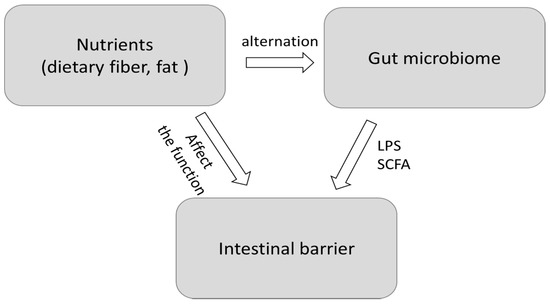
What the evidence actually supports vs. what is speculation
Well-established: Increased intestinal permeability exists and is measurable. It is consistently associated with IBD, celiac disease, type 2 diabetes, obesity, and non-alcoholic fatty liver disease. In people with these conditions, addressing gut barrier integrity is clinically relevant.
Plausible but not confirmed: Increased permeability may contribute to the development of autoimmune diseases (lupus, multiple sclerosis, rheumatoid arthritis) by allowing antigenic material to trigger systemic immune activation. The association is there. The causal direction is not yet established.
Not established: That “leaky gut syndrome” is a discrete diagnosable condition in people without IBD, celiac, or other known gut pathology. That expensive gut health supplements reliably restore barrier function. That most bloating, fatigue, or brain fog in otherwise healthy adults is specifically caused by intestinal permeability.
The Livium take. The gut lining is a real biological structure that performs a critical job, and the habits that support it are the same ones that support metabolic health in general. The supplement industry has correctly identified a real phenomenon and overbuilt a commercial response around it. You do not need a $60 gut protocol. You need fiber, sleep, less ultra-processed food, and if you have chronic GI symptoms, a gastroenterologist.
The Livium recipe
Tool. If you have a diagnosed condition such as IBD, celiac disease, or another gut condition, your gastroenterologist is the primary resource for managing intestinal permeability in your specific context. If you are a generally healthy adult with nonspecific symptoms like bloating, fatigue, or irregular digestion, a comprehensive blood panel from Function Health (including hs-CRP for systemic inflammation, celiac antibodies, and a comprehensive metabolic panel) is the starting point for understanding whether anything measurable is actually happening.
Behavior. The interventions with the best evidence for gut barrier support are not supplements. Dietary fiber (25 to 38 grams per day): the short-chain fatty acids produced by bacterial fermentation of fiber are the primary energy source for gut epithelial cells and are the most consistently supported dietary intervention for barrier function. Fermented foods: yogurt, kefir, kimchi, sauerkraut, and miso have been shown in multiple studies to increase microbiome diversity and reduce inflammatory markers. Reducing ultra-processed food intake: emulsifiers (carrageenan, polysorbate 80, carboxymethylcellulose) found in processed foods have been shown in animal models and some human studies to disrupt the mucus layer. Sleep: chronic sleep deprivation raises cortisol, which directly affects gut permeability. Alcohol reduction: heavy alcohol use is one of the most consistent disruptors of tight junction proteins.
Threshold. Four to eight weeks of consistent dietary fiber increase, fermented food addition, and reduced ultra-processed food. Symptoms to watch: bloating frequency, stool consistency, energy levels, and, if you are tracking it, systemic inflammation. The changes are usually not dramatic or rapid. The gut microbiome adapts over weeks, not days.
What disrupts gut barrier integrity vs. what supports it
| Factor | Effect on gut barrier | Evidence quality |
|---|---|---|
| Dietary fiber (25+ g/day) | Supports; fuels gut epithelial cells via SCFA production from bacterial fermentation | Strong; most consistent dietary finding in barrier function research |
| Fermented foods | Supports; increases microbiome diversity, reduces inflammatory markers in human trials | Moderate to strong; Stanford 2021 RCT showed significant microbiome benefit |
| Omega-3 fatty acids | Supports; anti-inflammatory effects on gut lining; some direct tight junction evidence | Moderate; mostly from fish consumption studies, not supplement trials |
| Chronic heavy alcohol | Disrupts; directly damages tight junction proteins; among the strongest known disruptors | Strong; well-established mechanism and clinical evidence |
| Chronic NSAID use | Disrupts; reduces prostaglandins that protect gut lining; associated with increased permeability | Strong; a known mechanism of NSAID-related GI damage |
| Emulsifiers in processed food | Disrupts; animal and some human data shows disruption of mucus layer and microbiome | Moderate; mechanism is plausible, human data still accumulating |
| Glutamine supplements | Mixed; theoretically fuels enterocytes; clinical evidence in healthy adults is weak | Weak to moderate; meaningful only in clinical GI disease contexts, not general wellness |
Sources: Harvard Health Publishing (Dr. Fasano, 2018/2024); NIDDK; International Journal of Molecular Sciences (leaky gut review 2021); Stanford fermented foods RCT (Cell, 2021).
Plan of action
- If you have chronic GI symptoms (persistent bloating, diarrhea, constipation, abdominal pain), see a gastroenterologist before trying to self-treat with supplements. Celiac disease, IBD, and SIBO are all worth ruling out.
- Increase dietary fiber to 25 to 38 grams per day. Add vegetables, legumes, whole grains, and fruit. This is the single highest-evidence dietary intervention for gut barrier function and also improves cardiovascular risk, blood sugar, and microbiome diversity simultaneously.
- Add one to two servings of fermented food daily. Plain Greek yogurt, kefir, kimchi, or sauerkraut are the most accessible options. Pasteurized versions have reduced live cultures; choose refrigerated, unpasteurized where possible.
- Reduce ultra-processed food, especially products with ingredient lists dominated by emulsifiers, artificial sweeteners, and refined starches. The mechanism is the gut lining. The effect is systemic.
- Run a baseline inflammation panel. hs-CRP, homocysteine, and a comprehensive metabolic panel from Function Health tell you whether systemic inflammation is elevated and provide a benchmark to compare against after dietary changes.
Table of Content

Know your body better.
Trusted By Thousands Daily




FAQ
Do I need a probiotic supplement for gut health?
The evidence for probiotic supplements in healthy adults without a specific condition (C. difficile, antibiotic-associated diarrhea, IBS) is weaker than the marketing suggests. Most probiotic supplements deliver strains in quantities and compositions that do not reliably colonize the gut. Fermented foods deliver a more diverse bacterial community in a matrix that supports their survival. Focus on fermented foods before spending money on probiotic capsules.
Is a "gut reset" or elimination diet helpful?
A structured elimination diet (removing common inflammatory foods like gluten, dairy, and processed sugar for 3 to 4 weeks, then systematically reintroducing them) can be diagnostically useful for identifying food sensitivities that contribute to symptoms. It is not a treatment for leaky gut itself but can identify triggers worth avoiding. Do this with a registered dietitian if possible, as poorly executed elimination diets often cause nutritional gaps.
Can stress cause gut permeability?
Yes. The gut-brain axis is bidirectional. Chronic psychological stress elevates cortisol, which reduces mucus production and affects tight junction protein expression. The reverse is also true: gut dysbiosis and inflammation produce systemic inflammatory signals that affect mood and cognition. Managing chronic stress is a legitimate gut health intervention, not just a wellness platitude.
Legal Disclaimer
The content published on Livium Health is for informational and educational purposes only. Nothing on this site constitutes medical advice, diagnosis, or treatment. Always consult a qualified healthcare provider before making decisions about your health, including changes to medications, supplements, diet, or exercise.
Livium Health is not a medical practice and does not have a patient-provider relationship with its readers. We do not sell supplements, medications, or treatments, and we have no financial relationship with the products or services we reference.
While we work to ensure the information we publish is accurate and up to date, health and medical guidance evolves. We make no guarantees about the completeness or currency of any content on this site. Reliance on any information provided by Livium Health is solely at your own risk.
If you are experiencing a medical emergency, call 911 or your local emergency services immediately.
We may receive compensation, free products, or affiliate commissions for products mentioned in this post. Opinions are our own.