
Share
Energy & Focus
Men's Health
Women's Health
Light exposure in the morning: The free energy tool most people skip entirely
5 min read
Key takeaways
- Morning light is the primary signal your circadian clock uses to set the day. Without it, the clock drifts, and everything downstream gets messier.
- Indoor light is about 100 to 500 lux. Outdoor morning light, even on a cloudy day, is at least 10,000 lux. The difference is not cosmetic. It is the difference between the signal landing and not landing.
- The window matters. Light in the first 30 to 60 minutes after waking is most effective at resetting the clock. After that, the effect diminishes significantly.
- Delaying your first caffeine by 90 minutes after waking, combined with morning light, produces better sustained energy than caffeine first thing. This is not intuitive but is well-supported.
You are setting your clock, whether you mean to or not
Most people wake up, check their phone, make coffee, and stay inside until they have to leave. The phone screen is a few hundred lux. The kitchen is maybe 300 lux with the overhead light on. Neither of those registers as morning to your circadian system.
Your body clock is set by light. Specifically, by specialized cells in the retina called intrinsically photosensitive retinal ganglion cells (ipRGCs) that contain a photopigment called melanopsin. These cells are most sensitive to short-wavelength light (the blue end of the spectrum), and they feed information directly to the suprachiasmatic nucleus (SCN), the brain’s master circadian clock. When bright light hits those cells in the morning, the SCN gets a clear signal: it is daytime; start the day.
Without that signal, the clock guesses. It uses weaker cues. Meal timing. Activity. Temperature. None of them are as powerful as light. And a clock that is guessing produces a rhythm that is slightly off. Not enough to put you in bed at noon, but enough to make mornings groggier, afternoons flatter, and nighttime sleep slightly more fragmented than it should be.
The lux gap most people don’t know exists
This is where the scale surprises most people.
A well-lit office or kitchen typically ranges from 300 to 500 lux. Outdoors on a clear morning, even in the shade, is typically 10,000 to 30,000 lux. An outdoor cloudy day is still around 10,000 lux. Direct summer sunlight exceeds 100,000 lux. The gap between inside and outside is roughly two orders of magnitude. That is not a small difference in degree. It is a categorically different signal.
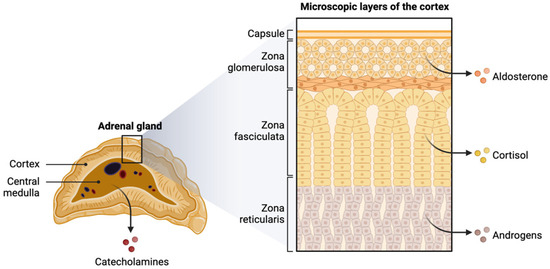
Research on blue-enriched morning light consistently shows that post-awakening outdoor light exposure increases the cortisol awakening response (CAR), the sharp rise in cortisol that occurs in the first 30 to 45 minutes after waking. That cortisol spike is not a stress response. It is a wake-up mechanism. A strong CAR correlates with greater alertness, sharper morning cognitive function, and better mood throughout the day. Staying inside with dim light blunts it.
The Livium take. Most energy hacks are expensive. A light therapy lamp, a CGM, creatine. Morning sunlight costs nothing. It takes 10 minutes. And it is arguably the single highest-leverage intervention for improving circadian function, morning energy, and nighttime sleep quality simultaneously. Most people skip it because they do not feel like going outside until they already feel awake. That is backward. You go outside to feel awake, not after you do.
The Livium recipe
Tool. Outdoor light, ideally. If outdoor access is not available within the first 30 minutes after waking (winter, an apartment with no outdoor space, or early wake times before sunrise), a 10,000-lux light therapy lamp used within arm’s length for 10 to 20 minutes is a reasonable substitute. Light therapy lamps designed for seasonal affective disorder (SAD) produce sufficient intensity. Standard desk lamps do not.
Behavior. Within 30 minutes of waking, get outside. Ten minutes is enough in bright morning sun. Twenty minutes is better on overcast days. You do not need to stare at the sky. Just be outside, face in the general direction of the light source, eyes open. Take your coffee with you. Walk the block. Sit on the porch. The mechanism is light into the eyes; the specific activity does not matter. One additional move: delay your first caffeine by 90 minutes after waking. Cortisol naturally peaks in that window. Caffeine on top of a cortisol peak adds little. Saving caffeine for when the cortisol curve starts to drop produces smoother, longer-lasting alertness and less of the mid-morning crash that often follows the first coffee of the day.
Threshold. One week of consistent morning light within 30 minutes of waking to feel a difference. Two weeks to anchor the habit and see downstream effects on nighttime sleep onset and morning grogginess. The change is not dramatic. It is more like the floor of your day quietly shifting up.
Morning light vs. the alternatives
| Morning behavior | Circadian signal strength | Cortisol awakening response | Notes |
|---|---|---|---|
| Outdoor morning light (10+ min) | Strong (10,000+ lux) | Supported; enhances CAR | Best available option. Free. Accessible to most people. |
| SAD light therapy lamp (10,000 lux) | Moderate to strong | Supported in SAD populations; reasonable proxy | Good winter substitute. Costs $40-80. Not a replacement for outdoor light when outdoor light is available. |
| Indoor overhead lighting | Weak (300-500 lux) | Insufficient to meaningfully drive CAR | What most people do. Not nothing, but not enough. |
| Phone screen in bed | Very weak and poorly timed | No meaningful effect on CAR; may suppress melatonin from the night before | The default for most people. Actively works against you. |
| Immediate caffeine | No circadian effect | Blunts the cortisol curve by competing with its peak | Underperforms when used immediately on waking. Save it for 90 minutes post-wake. |
Sources: NHLBI, Circadian Rhythm Disorders; Scientific Reports (2019, 2025); Chronobiology International.
Plan of action
- Tomorrow morning: go outside within 30 minutes of waking. Ten minutes. Take your coffee or leave it inside. Just get the light.
- Delay your first caffeine to 90 minutes after waking for one week. It feels counterintuitive at first. The payoff is smoother alertness and a cleaner afternoon without the mid-morning crash that often follows early caffeine.
- If outdoor morning light is not possible (winter, shift schedule, no outdoor access), order a 10,000-lux SAD lamp and use it within 30 minutes of waking. Position it so light enters the eyes, not so you are staring directly at it. About 20 minutes of proximity is sufficient.
- If morning energy is still poor after two weeks of consistent morning light, look upstream. A cortisol panel and full bloodwork (including B12 and thyroid) via Function Health will catch what morning light alone cannot fix.
- If low testosterone is a live concern alongside low morning energy, Hone Health handles the full hormone panel and appropriate next steps.
Table of Content
Know your body better.
Trusted By Thousands Daily



FAQ
Does it have to be sunlight or will a window work?
Glass blocks a significant portion of the UV spectrum and reduces total light intensity. A window in bright morning light is better than nothing, but outdoor exposure is substantially more effective. The lux differential between sitting by a sunny window and standing outside in the same light is real. Outside is always better if you have the option.
What about sunglasses?
Sunglasses reduce the light signal reaching the retinal cells responsible for circadian setting. For the 10 to 20 minute morning light window, skip them if it is comfortable to do so. This is not an invitation to stare at the sun. Just walk outside without the sunglasses in normal ambient morning light.
I wake up before sunrise in winter. What should I do?
Use a 10,000-lux SAD lamp immediately after waking. Then get outdoor light as soon as it is available. This is also the population for whom the caffeine delay is sometimes harder to stick to; in that case, try delaying by just 45 to 60 minutes as a starting point.
Can too much light in the morning harm you?
No, within normal outdoor exposure limits. Do not stare into the sun. Standard outdoor morning light for 10 to 30 minutes is not harmful and does not require eye protection for most adults.
Legal Disclaimer
The content published on Livium Health is for informational and educational purposes only. Nothing on this site constitutes medical advice, diagnosis, or treatment. Always consult a qualified healthcare provider before making decisions about your health, including changes to medications, supplements, diet, or exercise.
Livium Health is not a medical practice and does not have a patient-provider relationship with its readers. We do not sell supplements, medications, or treatments, and we have no financial relationship with the products or services we reference.
While we work to ensure the information we publish is accurate and up to date, health and medical guidance evolves. We make no guarantees about the completeness or currency of any content on this site. Reliance on any information provided by Livium Health is solely at your own risk.
If you are experiencing a medical emergency, call 911 or your local emergency services immediately.
We may receive compensation, free products, or affiliate commissions for products mentioned in this post. Opinions are our own.