
Share
Energy & Focus
Men's Health
Low testosterone and energy after 40: The number most men have never had checked
6 min read
Key takeaways
- Testosterone declines 1 to 2 percent per year after age 30. By the mid-40s many men are operating at 60 to 70 percent of their peak. The symptom profile arrives gradually enough that most men attribute it to stress or aging rather than a measurable hormonal shift.
- A total testosterone drawn in the afternoon on a routine physical is an unreliable number. Testosterone peaks in the early morning hours. A 2 PM draw on a stressed, sleep-deprived day can read 30 to 40 percent lower than a morning draw on a rested day.
- Total testosterone alone is insufficient. Free testosterone (the fraction available to cells) and sex hormone-binding globulin (SHBG) are required to understand what the body is actually working with.
- Testosterone replacement therapy (TRT) is effective for low-testosterone-driven fatigue, but lifestyle optimization first eliminates cases where low testosterone is secondary to correctable causes.
The session that used to feel different
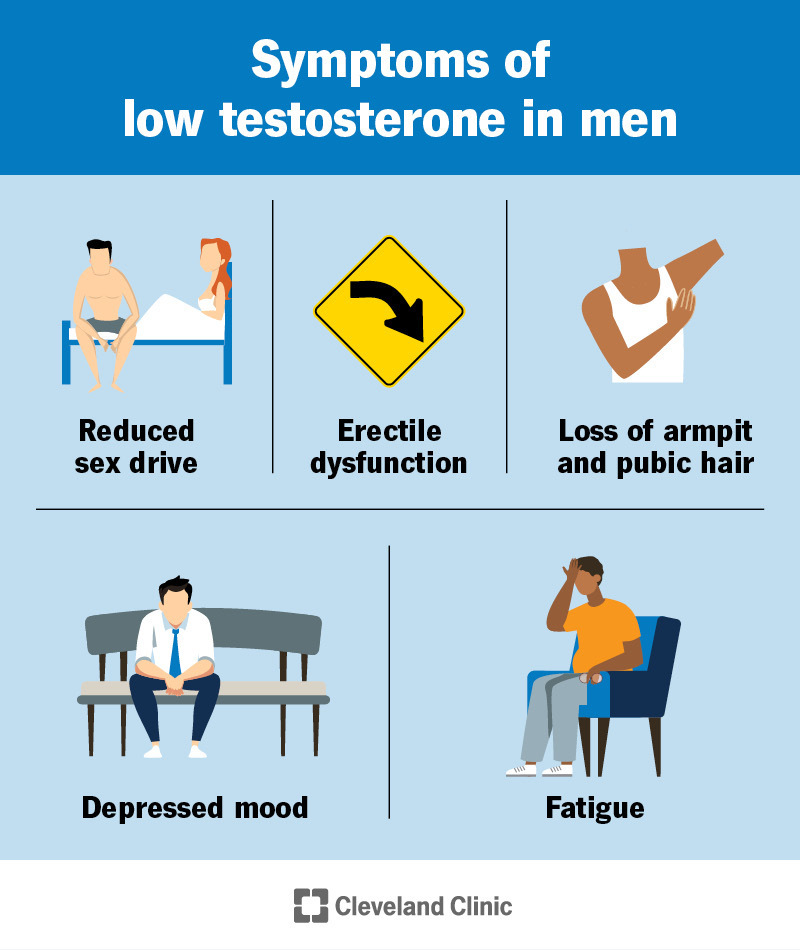
You still work out. Fewer days than before, but you go. The problem is that it stopped doing what it used to do. Recovery takes longer. The day after a hard session you are wiped in a way that used to mean a good workout rather than a week of dragging through the afternoons.
At work the focus has narrowed. Big decisions take more effort. The competitive energy that used to feel automatic needs more manual input now. Sleep is lighter. Mornings are slower. Your partner may or may not have said something about your mood.
None of this is dramatic. That is the problem. It arrived gradually, over years, which makes it easy to explain as a busy schedule and getting older. Both are partly true. But the hormonal component is real, measurable, and addressable, and most men have never had a morning testosterone panel run.
What is actually happening
Testosterone is produced primarily in the testes under the direction of the HPG (hypothalamic-pituitary-gonadal) axis. The pituitary releases luteinizing hormone (LH), which signals the testes to produce testosterone. The system is designed to maintain levels in a roughly 300 to 1,000 ng/dL range, with the morning peak at the high end and the afternoon at the low end.
The 1 to 2 percent annual decline is gradual but compounding. A man who peaked at 900 ng/dL at 25 may be at 640 ng/dL at 45 with nothing clinically wrong. But 640 in someone who thrived at 900 may produce the full symptom profile of low energy, reduced drive, and poor recovery that men associate with “just getting older.” Reference ranges say anything above 300 ng/dL is normal. Normal and optimal are not synonyms.
Secondary factors accelerate the decline: excess visceral fat (which converts testosterone to estrogen via the aromatase enzyme), chronic stress (cortisol suppresses testosterone production directly), poor sleep (testosterone is produced during deep sleep cycles), and alcohol (disrupts the HPG axis). Fix these and some men see levels recover meaningfully. But the recovery has a ceiling, and once the primary decline is the dominant factor, lifestyle alone is not sufficient.
What you have probably already tried
Testosterone-boosting supplements. Ashwagandha, zinc, D-aspartic acid, fenugreek. Each has some evidence in specific populations. The combined effect of a “T-booster” stack on a man with testosterone in the 400s is, in most studies, a 10 to 20 ng/dL increase over 12 weeks. That is not the lever you are looking for when symptoms are real and energy is meaningfully impaired.
Cutting alcohol and sleeping more. Correct and worth doing. Both directly affect testosterone production. But even with perfect execution over months, the ceiling depends on how much of the decline is primary versus secondary. A man in his late 40s who cleans up his lifestyle and moves from 380 to 420 ng/dL has made genuine progress. He also still has a number that produces every symptom he started with.
Heavy lifting programs. Resistance training raises testosterone acutely and supports long-term production. It is not optional. But it is an amplifier of whatever level the body is already producing, not a mechanism for significantly raising the baseline in men over 45 with genuinely low levels.
The Livium take. The supplement aisle cannot out-train a production problem. TRT is the tool, used correctly, with physician monitoring, after ruling out secondary causes. It is not a shortcut. It is a response to a measurable deficit.
The Livium recipe
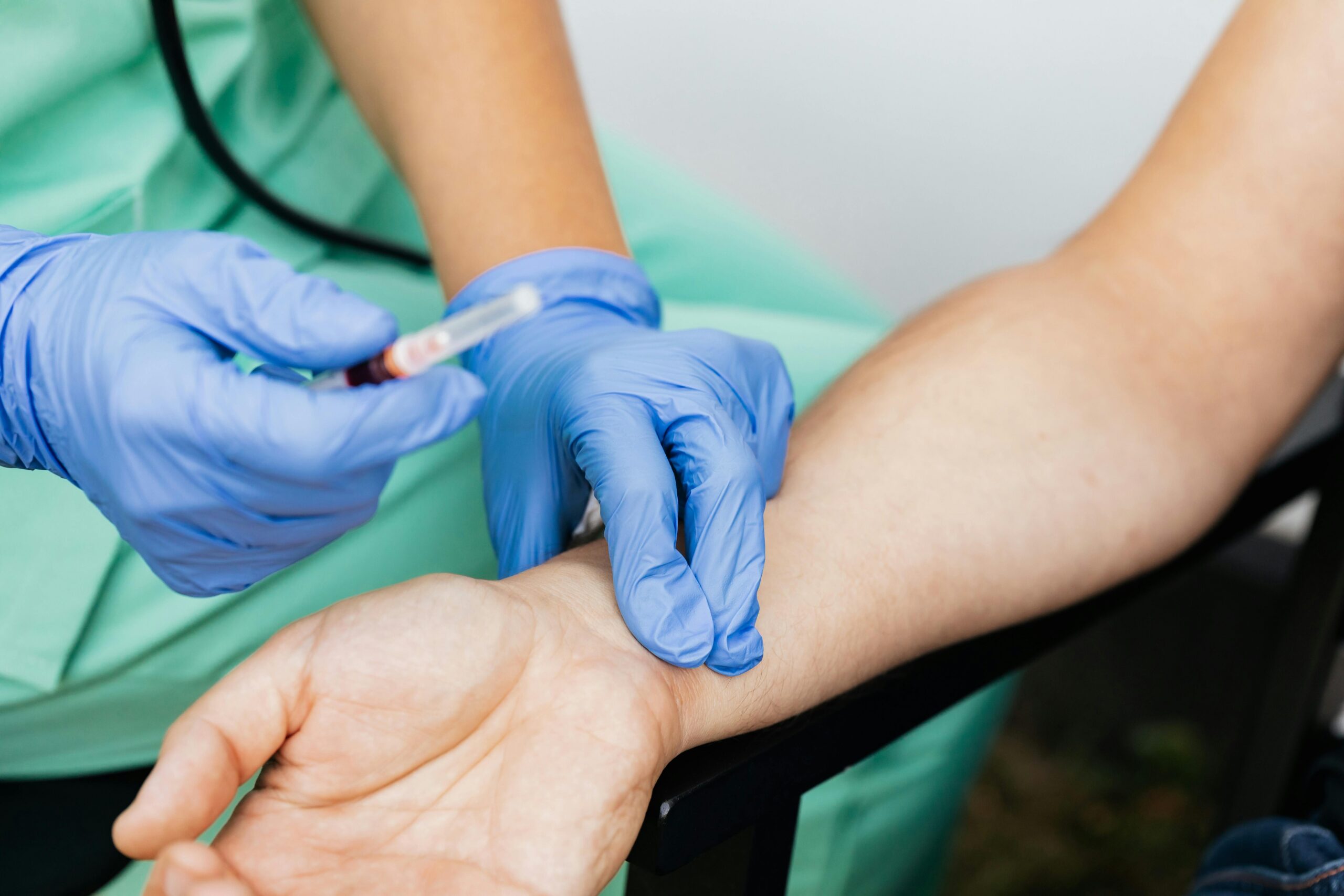
Tool. Order a morning testosterone panel: total testosterone, free testosterone, SHBG, LH, and estradiol. All five together. Schedule the draw between 7 and 9 AM. Not after your morning workout (post-exercise suppresses testosterone transiently) and not after a bad week of sleep. Wait for a representative window. Available through Hone Health with physician review and a clear path to TRT if warranted, or through Function Health as part of the full panel.
Behavior. Run the lifestyle optimization protocol for eight weeks before or during the diagnostic window. The protocol: sleep seven to eight hours consistently, cut alcohol to three or fewer drinks per week, reduce body fat if visceral fat is elevated, maintain three to four resistance training sessions per week. If the panel comes back above 600 ng/dL after lifestyle optimization, behavioral changes are the intervention. Below 400 ng/dL with symptoms, the conversation shifts to TRT.
Threshold. Total testosterone in the 600 to 900 ng/dL range. Free testosterone above 15 pg/mL. Estradiol in the 20 to 40 pg/mL range (TRT raises estradiol via aromatase and requires monitoring). Most men on appropriately dosed TRT report subjective energy improvement within three to six weeks.
| Total testosterone (AM draw) | Interpretation | Recommended path |
|---|---|---|
| Above 600 ng/dL | Low testosterone unlikely to be driving fatigue | Check free T and SHBG; investigate other causes |
| 400 to 600 ng/dL with symptoms | Low-normal; lifestyle optimization first | 8-week lifestyle protocol, retest; TRT conversation if no movement |
| Below 400 ng/dL with symptoms | Clinically low; TRT conversation warranted | Hone Health evaluation; TRT with monitoring |
| Below 300 ng/dL | Hypogonadism; medical evaluation required | Endocrinologist or urologist in addition to Hone Health |
Source: Livium editorial synthesis based on The Endocrine Society testosterone clinical practice guidelines and standard clinical reference ranges.
Plan of action
- Schedule a morning testosterone panel for this week. Draw between 7 and 9 AM. Order total testosterone, free testosterone, SHBG, LH, and estradiol. Hone Health includes physician review and covers all five markers.
- Run the eight-week lifestyle protocol in parallel: consistent seven to eight hours of sleep, alcohol under three drinks per week, three to four resistance sessions per week, and an honest look at visceral fat if that is a factor.
- When results arrive, use the table above as a starting framework. Bring results to Hone Health or an endocrinologist, not a general practitioner who does not specifically manage TRT.
- If TRT is initiated: monitor estradiol at six weeks. Rising estradiol is a common and manageable side effect. Know the number, not just the symptoms.
- If testosterone comes back in range and fatigue persists, the next branch is sleep apnea. Men with low testosterone have significantly elevated OSA risk and the conditions frequently travel together. Order a home sleep test at Lofta.
Table of Content

Know your body better.
Trusted By Thousands Daily





FAQ
Will TRT make me infertile?
TRT suppresses natural LH production, which reduces sperm production during treatment. Fertility typically recovers after TRT is stopped. For men who want to preserve fertility while treating low testosterone, alternative protocols (hCG, clomiphene) are available. This is a specific conversation to have with your prescriber before starting, not after.
My doctor told me my testosterone is fine at 340 ng/dL. Is that actually fine?
Technically, yes. Practically, that depends entirely on your symptoms, your age, your prior levels, and your free testosterone. A 45-year-old at 340 ng/dL with fatigue, poor recovery, reduced libido, and low motivation has a legitimate clinical case for TRT evaluation regardless of the reference range. Bring those results to a hormone specialist, not a general practitioner reading the range as binary pass/fail.
What is the difference between TRT and anabolic steroids?
TRT replaces testosterone to a physiologically normal range. Anabolic steroid use pushes testosterone to supraphysiological levels, significantly above the normal human range, for performance enhancement. TRT at a correctly dosed and monitored therapeutic level does not carry the same risk profile as anabolic steroid use in bodybuilding contexts.
Legal Disclaimer
The content published on Livium Health is for informational and educational purposes only. Nothing on this site constitutes medical advice, diagnosis, or treatment. Always consult a qualified healthcare provider before making decisions about your health, including changes to medications, supplements, diet, or exercise.
Livium Health is not a medical practice and does not have a patient-provider relationship with its readers. We do not sell supplements, medications, or treatments, and we have no financial relationship with the products or services we reference.
While we work to ensure the information we publish is accurate and up to date, health and medical guidance evolves. We make no guarantees about the completeness or currency of any content on this site. Reliance on any information provided by Livium Health is solely at your own risk.
If you are experiencing a medical emergency, call 911 or your local emergency services immediately.
We may receive compensation, free products, or affiliate commissions for products mentioned in this post. Opinions are our own.