Meditation without the mysticism: What 10 minutes actually does
5 min read
Key takeaways
Mindfulness meditation is attention training. The brain changes it produces are in the attentional networks, not in spiritual awareness. The secular mechanism is fully characterized and does not require any particular belief system.
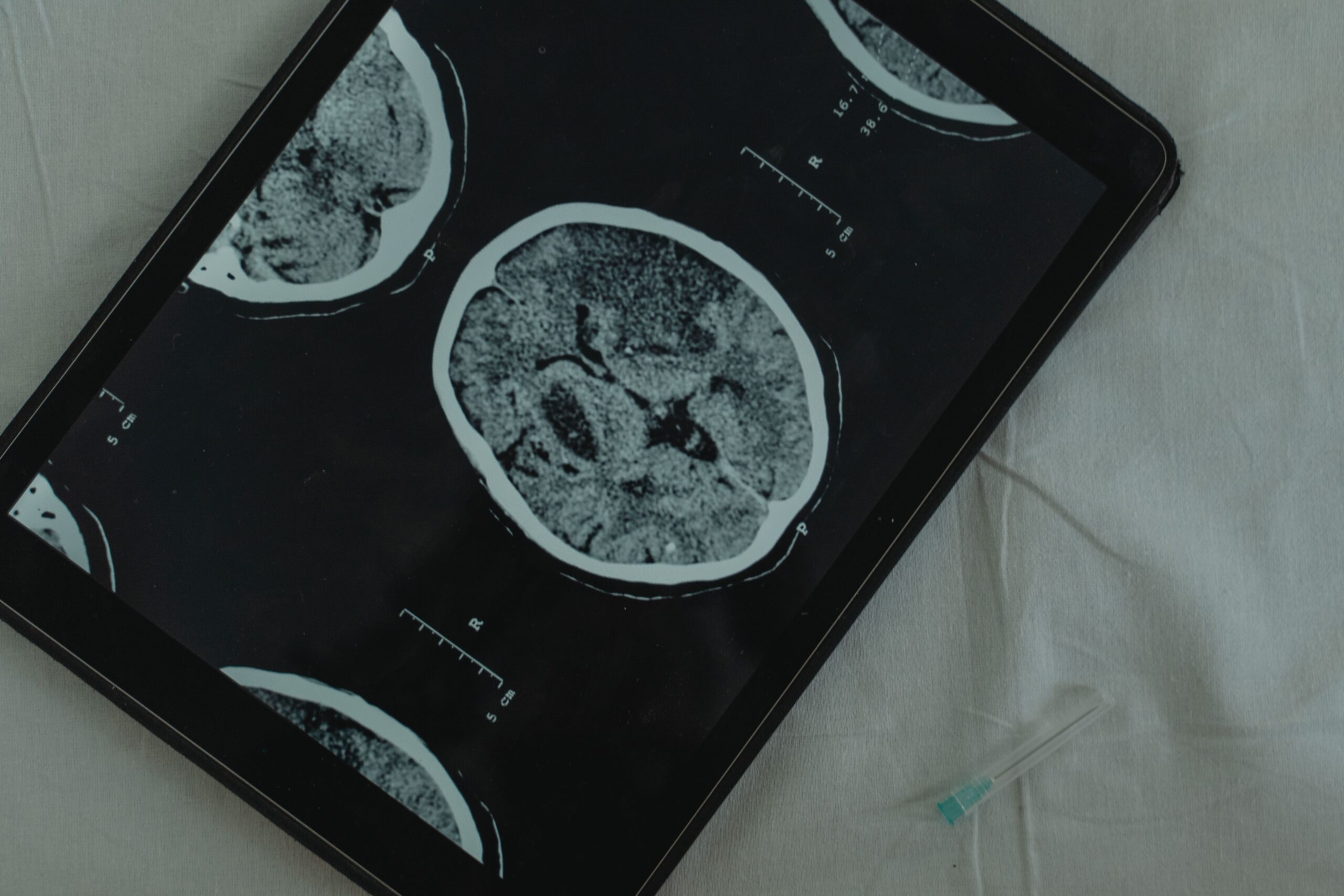
Eight weeks of daily 10-minute focused attention meditation produces measurable increases in cortical thickness in the anterior insula (interoception), prefrontal cortex (attention regulation), and reduced default mode network rumination.
The most reliable predictor of sustained meditation practice is not belief in its benefits but consistency of time and location. Same chair, same time, every day reduces the behavioral decision cost enough to allow habit formation.
The skill being trained in focused attention meditation is noticing when the mind has wandered and returning attention to the anchor. One repetition of this return is one attention training repetition. A 10-minute session with many returns is more training than a 10-minute session with few.
The practice stripped to its mechanism
The mysticism around meditation is optional. The neural mechanism is not. Focused attention meditation involves directing attention to an anchor (most commonly the physical sensation of breathing), noticing when attention has wandered, and redirecting it back to the anchor. That is the practice. The noticing-and-returning is the cognitive training event.
The brain changes produced by this training fall into three categories. First, the anterior cingulate cortex, which monitors attention and detects the mind-wandering event, becomes more efficient through repeated training. Second, the dorsolateral prefrontal cortex, which executes the voluntary return of attention to the anchor, becomes more active and more functionally connected to the attentional networks. Third, the default mode network, which produces the mind-wandering content, shows reduced intrinsic activity in experienced meditators compared to non-meditators. Less spontaneous mind-wandering. More capacity to direct attention at will.
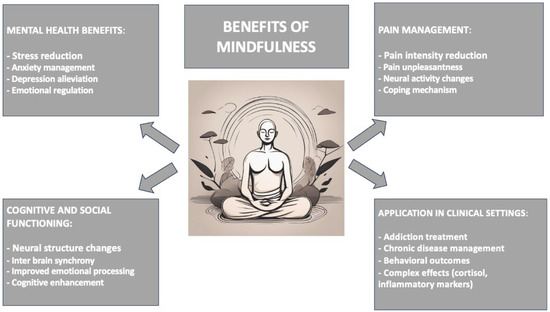
Stress and cortisol. Multiple meta-analyses of randomized controlled trials confirm that mindfulness-based stress reduction (MBSR) reduces cortisol, anxiety, and self-reported stress at effect sizes that are clinically meaningful. The effects are consistent across populations. They do not require advanced practice or retreat-level commitment.
Attention and executive function. The attentional training effects of focused attention meditation show in neuropsychological testing within eight weeks. Improvements in sustained attention, inhibitory control, and task-switching appear in both self-report and objective cognitive assessments. The effects are most pronounced in adults with high baseline distractibility, making midlife adults with ADHD-adjacent attention patterns a particularly responsive population.
Depression relapse prevention. Mindfulness-based cognitive therapy (MBCT), the clinical adaptation of mindfulness for recurrent depression, is WHO-recommended for people with three or more episodes of major depression. Its relapse prevention effect is equivalent to maintenance antidepressant medication in published RCTs, with a different mechanism: rather than changing the content of depressive thoughts, MBCT trains the practitioner to relate differently to those thoughts, reducing their behavioral impact.
What it does not reliably do. Meditation does not reliably produce enlightenment, permanent personality change, resolution of trauma, or freedom from negative emotion. Claims that exceed the evidence are wellness theater. The evidence is strong for specific, measurable cognitive and physiological outcomes achievable through consistent practice of 10 to 20 minutes daily.
The Livium recipe
Tool. A structured app or guided program for the first eight weeks of practice. Not because meditation requires guidance indefinitely but because the first eight weeks have the highest dropout rate from uncertainty about technique. The Headspace Guide to Meditation by Andy Puddicombe is the most concisely useful book on the secular mechanics of the practice. An EEG Neurofeedback Headset provides real-time EEG feedback on attentional states during practice for people who want objective confirmation that the technique is producing the intended brain state rather than just sitting with eyes closed.
Behavior. Ten minutes, same time, same location, every day. The time of day matters less than the consistency. Morning practice before the day’s demands are loaded produces the highest completion rate. The instruction: sit comfortably, direct attention to the physical sensation of breathing (not the idea of breathing, the actual sensation in the nostrils or chest), notice when the mind has wandered, return attention to the breath without self-criticism. Repeat for 10 minutes.
Threshold. After eight weeks of daily 10-minute practice: measurable reduction in mind-wandering during work tasks, improved ability to return attention to the current task after a distraction, reduced rumination in the hours before sleep, and typically a measurable HRV improvement from the vagal tone benefits of consistent practice. Cognitive testing (sustained attention tasks are available free online) can provide objective before-and-after comparison.
The neuroplasticity support layer
Life Extension Vinpocetine 5 mg supports cerebral blood flow to the prefrontal and attentional networks most engaged by meditation practice, enhancing the oxygenation and glucose delivery to the circuits being trained. Source Naturals Huperzine A 100 mcg inhibits acetylcholinesterase, maintaining acetylcholine in synapses for longer and supporting the attentional and working memory circuits that meditation strengthens. Used intermittently (three days on, four days off) to avoid receptor downregulation.
Decentering from depressive thoughts; relapse prevention
Recurrent depression (3+ episodes); rumination
Strong; WHO-recommended
Source: Livium editorial synthesis based on NCCIH Meditation in Depth and Lazar et al., NeuroReport (2005).
Plan of action
Start tomorrow. Set a 10-minute timer. Sit in the same chair. Direct attention to the physical sensation of breathing. When the mind wanders (it will), return attention to the breath. Do not evaluate the session on the basis of how often the mind wandered. That is normal. The return is the training.
Commit to eight weeks before evaluating whether it is working. The structural brain changes take eight weeks. Evaluating the practice after three sessions is like evaluating a strength training program after three workouts.
Use an app for the first eight weeks. Headspace, Waking Up, or Insight Timer all provide guided focused attention sessions. The guidance reduces the uncertainty that drives early dropout. After eight weeks, the technique is clear enough to practice unguided.
Track HRV on a wearable before and after eight weeks. The HRV data provides objective confirmation of the vagal tone improvement that consistent practice produces, independent of subjective experience.
No. It is the training condition. Mind-wandering and being noticed activate the anterior cingulate cortex. The return of attention to the anchor is what strengthens the prefrontal attentional network. A session with 50 mind-wandering events and 50 returns is 50 training repetitions. A session where the mind never wanders is pleasant but produces less attentional training. The wandering is not the problem. The problem would be wandering without noticing.
Does longer practice produce more benefit?+
Yes, with diminishing returns. The largest gains occur in the first 10 to 15 minutes of practice. Sessions of 20 to 30 minutes produce additional benefit, but the dose-response curve is not linear. Daily consistency at 10 minutes produces better outcomes than occasional 45-minute sessions, because the neural circuits being trained are strengthened through daily repetition rather than periodic long exposure.
Can meditation be harmful?+
For most adults in most contexts, no. There is a published literature on adverse meditation experiences, primarily associated with intensive retreat practice (hours per day) rather than daily 10-minute practice. For people with trauma histories, focused attention meditation can sometimes trigger intrusive trauma content. In this population, body-scan meditation (interoceptive awareness practice) may be contraindicated until sufficient trauma processing has occurred in a therapeutic context. Loving-kindness meditation and gentle breath awareness are lower-risk alternatives.
Legal Disclaimer
The content published on Livium Health is for informational and educational purposes only. Nothing on this site constitutes medical advice, diagnosis, or treatment. Always consult a qualified healthcare provider before making decisions about your health, including changes to medications, supplements, diet, or exercise.
Livium Health is not a medical practice and does not have a patient-provider relationship with its readers. We do not sell supplements, medications, or treatments, and we have no financial relationship with the products or services we reference.
While we work to ensure the information we publish is accurate and up to date, health and medical guidance evolves. We make no guarantees about the completeness or currency of any content on this site. Reliance on any information provided by Livium Health is solely at your own risk.
If you are experiencing a medical emergency, call 911 or your local emergency services immediately.
We may receive compensation, free products, or affiliate commissions for products mentioned in this post. Opinions are our own.