
Share
Longevity & Aging
Men's Health
Women's Health
Microplastics in your arteries: What the new heart data does, and does not, prove
4 min read
Key takeaways
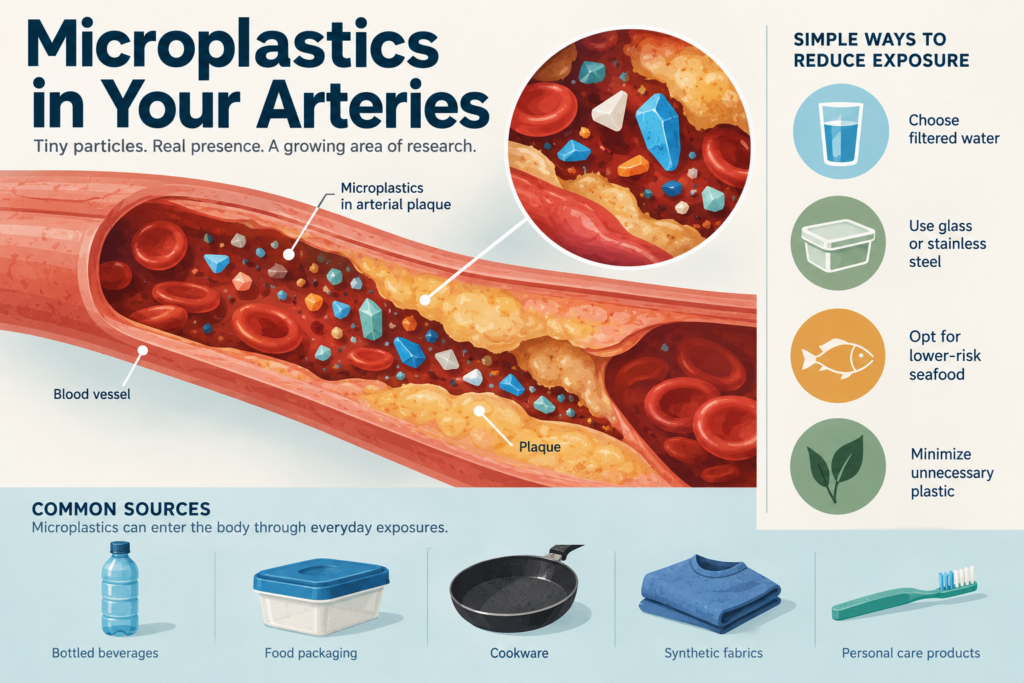
- Microplastics and nanoplastics have been detected inside human carotid artery plaque.
- A 2024 study linked detected particles in plaque with a higher rate of heart attack, stroke, or death, but it did not prove causation.
- Heat and mechanical stress can increase plastic-particle release from some disposable water bottles.
- Skip detox claims. Focus on repeatable exposure reductions such as hot plastic, disposable bottles, and reheating food in plastic.
The microplastics story finally reached human arteries
Microplastics have been found in food, water, lungs, blood, and other tissues for years. Most of that evidence left one frustrating question unanswered: does finding the particles in people actually predict anything that matters?
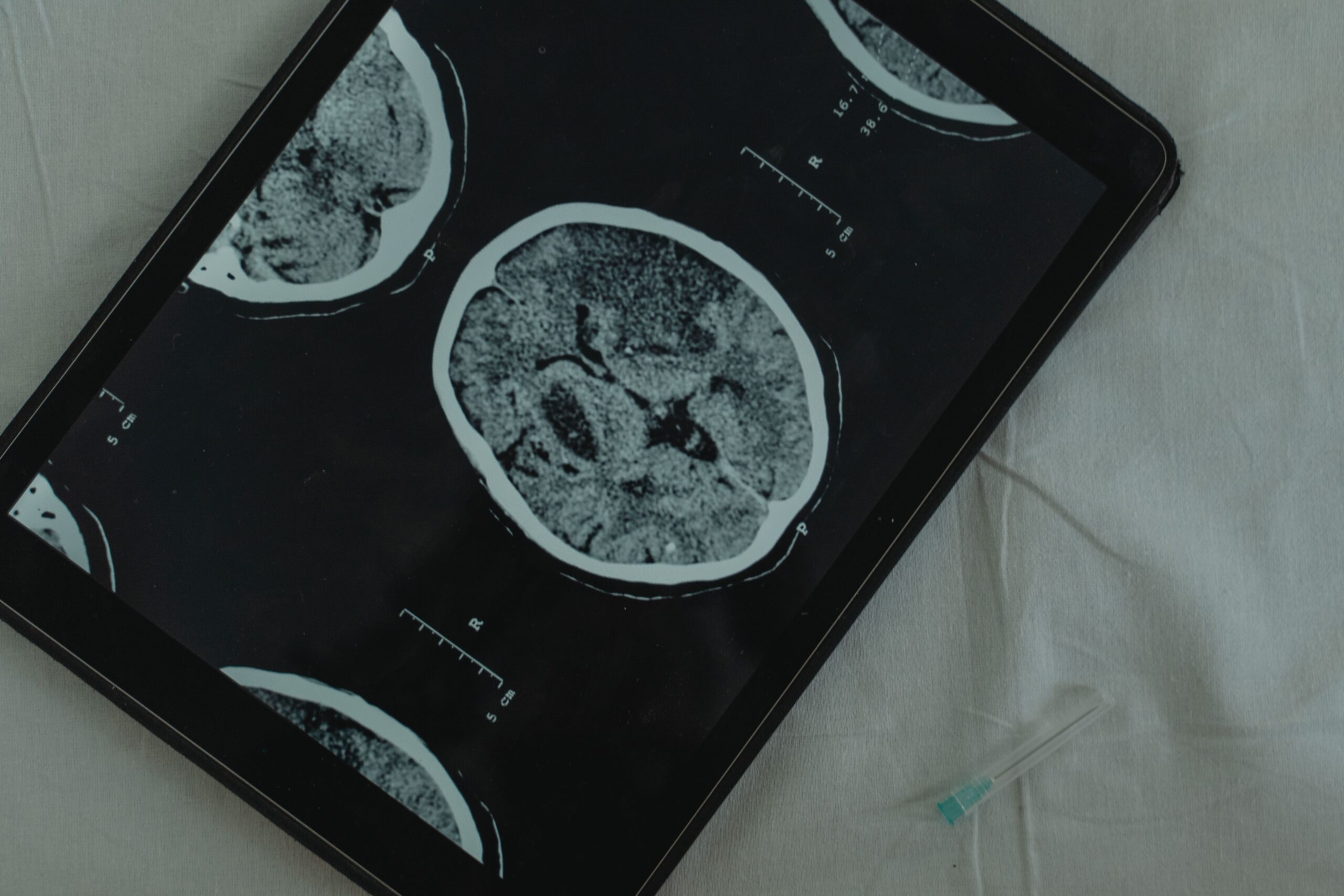
A New England Journal of Medicine study moved that conversation forward. Researchers examined plaque removed from the carotid arteries of patients undergoing surgery. Polyethylene was detected in more than half of the plaque samples, and polyvinyl chloride showed up in a smaller group. Over roughly three years of follow-up, the group with detected microplastics and nanoplastics had more heart attacks, strokes, or deaths.
That is the headline. The fine print matters just as much.
What the arterial-plaque study can tell us
The study followed 257 patients after carotid endarterectomy. Polyethylene was detected in 150 plaque samples, or 58.4 percent. Polyvinyl chloride was detected in 31, or 12.1 percent. The combined endpoint of heart attack, stroke, or death occurred more often in people whose plaque contained detected plastic particles.
The adjusted hazard ratio was 4.53. That is a large association. It is not a personal risk calculator, and it does not establish that plastic particles caused the later events.
These were already high-risk patients with carotid artery disease severe enough to need surgery. The study also triggered legitimate debate about possible sample contamination and the technical difficulty of measuring tiny plastic particles. The right response is not panic. It is to stop pretending the human evidence is zero.
The exposure you can actually change
You are not going to create a plastic-free life. Microplastics are in air, dust, food, water, packaging, clothing, and industrial pollution. Chasing every source is a fast route to an expensive kitchen and no measurable endpoint.
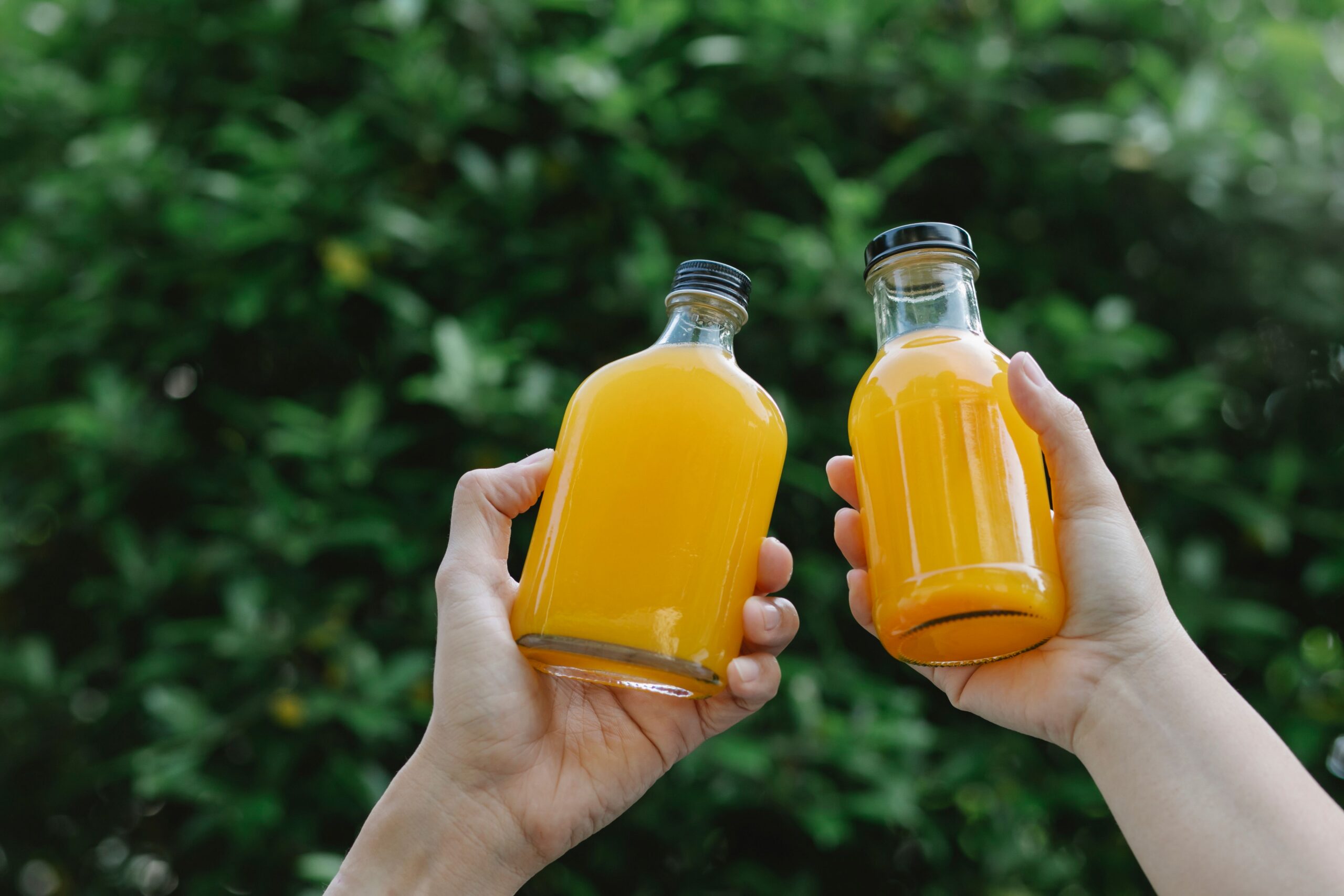
The highest-value move is reducing unnecessary contact between food or water and stressed plastic. Heat, repeated mechanical wear, and long storage can increase particle release from some plastics.
A 2026 Water Research study tested common single-use PET water bottles under realistic stress. Heat plus shaking produced the largest increase in nanoparticles. Temperature cycling also increased release. That makes the bottle rolling around on the floor of a hot car a more sensible target than replacing every plastic object you own.
The Livium recipe
Tool. Start with the things you use every day. A stainless Owala FreeSip handles daily water without a disposable bottle. A LifeStraw Home Essential pitcher is a practical tap-water option. For leftovers, a Stasher reusable silicone bag works for cold storage, while hot food is better moved to glass before reheating. If you already use LifeStraw, the replacement carbon and ion-exchange filter keeps the system functioning as designed.
Behavior. Do not heat food in disposable plastic, do not leave single-use water bottles in hot cars, and stop buying bottled water by default if your local tap water is safe and acceptable. Those are boring substitutions. That is why they are useful.
Threshold. There is no validated blood, urine, or home test that can tell you whether your personal microplastic burden has fallen enough. Use an exposure threshold instead. For two weeks, count how many times per day hot food or drinking water touches single-use plastic. Cut the repeatable ones first.
| Exposure situation | What the evidence suggests | Livium move |
|---|---|---|
| Bottle stored in heat | Heat can increase plastic-particle release | Do not leave drinking bottles in a hot car |
| Repeated shaking and heat | Combination increased nanoparticle release in 2026 testing | Use a durable steel or glass bottle |
| Hot leftovers in plastic | Heat and wear are avoidable contact points | Reheat in glass or ceramic |
| Bottled water by habit | Often adds packaging exposure without a health benefit | Use filtered tap water when appropriate |
Source: Hussain et al., Water Research, 2026.
What we are ruling out
We are not recommending a detox. There is no proven supplement, sauna protocol, binder, or cleanse that removes microplastics from the human body in a clinically meaningful way.
We are also not claiming that switching to glass containers will prevent a heart attack. The arterial-plaque study is observational. It cannot tell us whether reducing household plastic exposure changes cardiovascular outcomes.
The position is narrower. A real human cardiovascular signal now exists, exposure from stressed plastic is measurable, and several common exposure sources are easy to reduce without reorganizing your life.
Plan of action
- Throw away any disposable bottle that has been sitting in a hot car.
- Move hot leftovers to glass before reheating.
- Choose one reusable bottle and one filtered-water setup you will actually use.
The decision this week. Eliminate the single plastic exposure you repeat most often.
Table of Content

Know your body better.
Trusted By Thousands Daily


FAQs
Can I test my microplastic level at home?
No. There is no validated consumer test that tells you your total body burden or whether a household change has meaningfully reduced it.
Should I throw away every plastic container?
No. Prioritize repeatable, higher-contact situations such as heating food in plastic, using badly scratched plastic, and storing disposable water bottles in heat.
Does bottled water contain more microplastics than tap water?
Many studies find substantial microplastic exposure from bottled water, but results vary by brand, packaging, storage, and testing method.
Legal Disclaimer
The content published on Livium Health is for informational and educational purposes only. Nothing on this site constitutes medical advice, diagnosis, or treatment. Always consult a qualified healthcare provider before making decisions about your health, including changes to medications, supplements, diet, or exercise.
Livium Health is not a medical practice and does not have a patient-provider relationship with its readers. We do not sell supplements, medications, or treatments, and we have no financial relationship with the products or services we reference.
While we work to ensure the information we publish is accurate and up to date, health and medical guidance evolves. We make no guarantees about the completeness or currency of any content on this site. Reliance on any information provided by Livium Health is solely at your own risk.
If you are experiencing a medical emergency, call 911 or your local emergency services immediately.
We may receive compensation, free products, or affiliate commissions for products mentioned in this post. Opinions are our own.