
Share
Energy & Focus
Men's Health
Women's Health
Nap without the fog: How to get the benefits without the grogginess
4 min read
Key takeaways
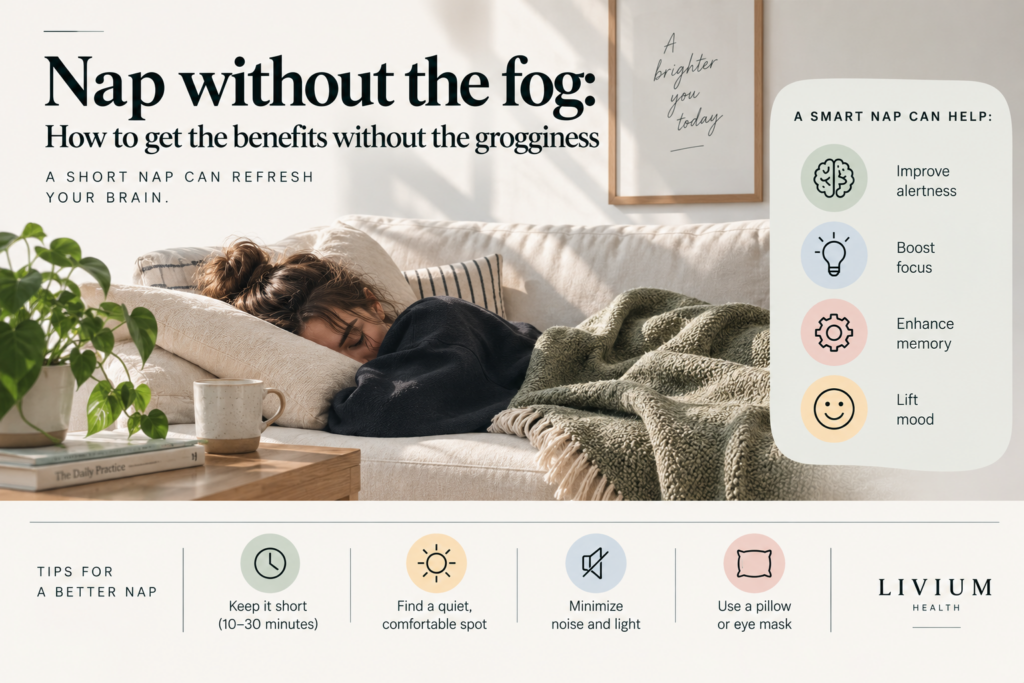
- Short daytime naps can improve alertness and performance.
- Waking from deeper sleep can create temporary sleep inertia.
- The goal is a brief, planned nap, not replacing inadequate nighttime sleep.
- Persistent irresistible daytime sleepiness deserves evaluation.
The nap is not the problem
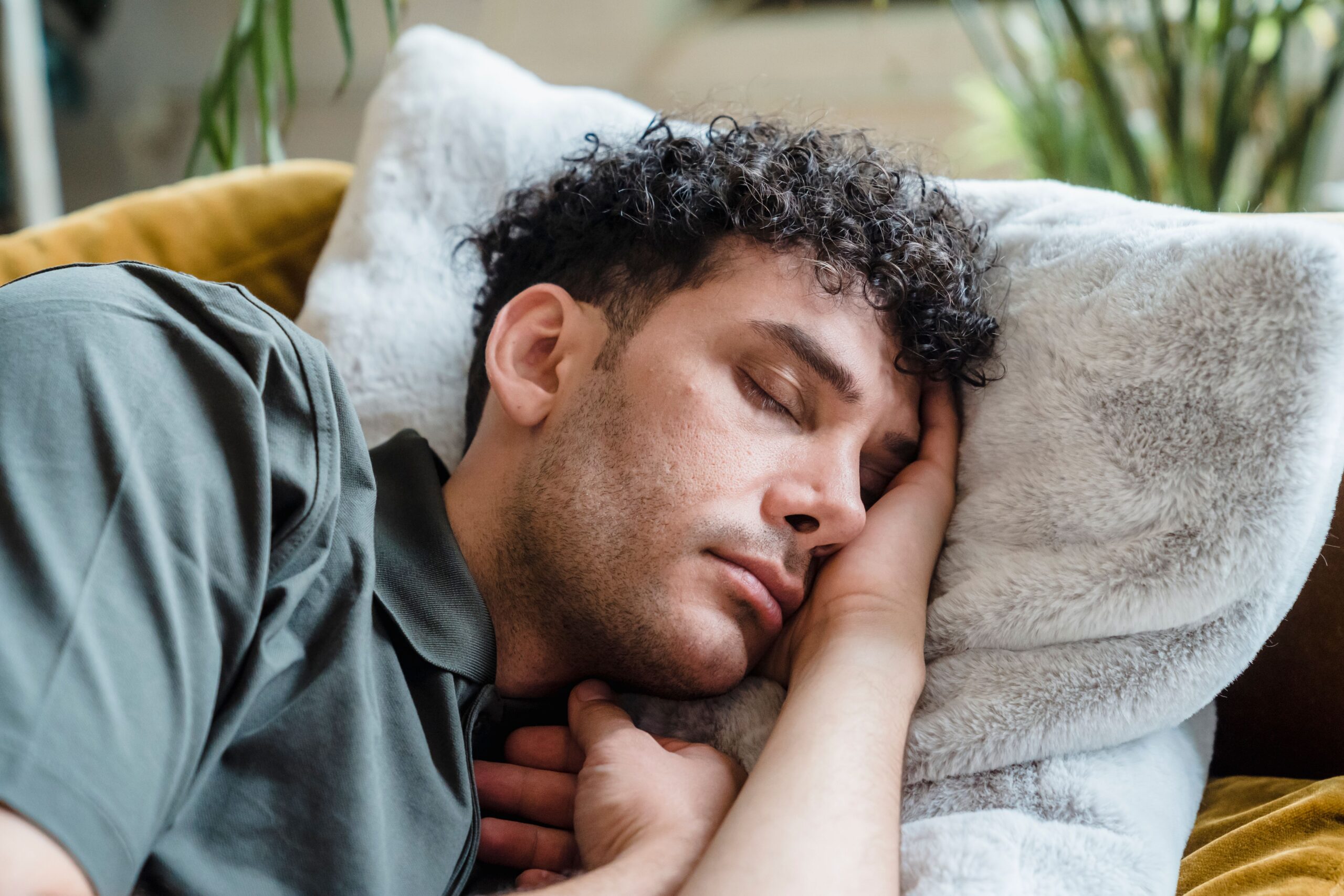
A daytime nap has a branding problem. It can sound like evidence that your sleep is failing or that your energy is too low to make it through the day. In reality, short naps have a substantial research history as a tool for restoring alertness and performance.
The catch is timing. A nap that is long enough to pull you into deeper sleep can leave you groggy when you wake. That temporary impairment is sleep inertia, and it is one reason people conclude that naps make them feel worse.
A 2025 Scientific Reports study tested an automatic-awakening system designed to wake participants at an optimized point during a short daytime nap. Compared with no nap, the optimized nap improved several measures of performance, alertness, sleepiness, and fatigue.
Short means short
The useful takeaway is not that everyone needs a device to detect sleep stages. It is that a daytime nap works differently when it stays brief and minimizes the chance of waking from deeper sleep.
If you experiment with naps, a simple visual timer can keep the window finite without using your phone. Set it before lying down so the nap does not quietly become a 90-minute event.
A comfortable travel pillow can make a chair or couch workable without recreating your entire nighttime sleep environment.
Protect the wake-up
The first few minutes after waking matter. Give yourself a transition before making a high-stakes decision or jumping directly into a meeting. Stand up, get light, and move.
A reusable water bottle can be waiting nearby so you do not turn waking up into a kitchen expedition. If light is low, a small bright-light lamp can help create a clearer daytime cue after the nap.
Do not use caffeine automatically with every nap. If you already consume a lot of caffeine or are napping late, the stimulant can solve the next hour while making nighttime sleep harder.
The Livium recipe
Tool. Use a timer, a comfortable but not overly elaborate setup, and a clear wake-up cue.
Behavior. Keep the nap early enough that it does not compete with bedtime. Give yourself several minutes after waking before expecting peak performance.
Threshold. If you need long naps every day just to function, or if you fall asleep unintentionally during quiet activities, the question is no longer how to optimize a nap. It is why daytime sleepiness is so strong.
| Nap pattern | Likely result | Livium move |
|---|---|---|
| Brief planned nap | Lower chance of deep sleep | Keep the window finite |
| Long unplanned nap | More sleep inertia risk | Shorten and move earlier |
| Late-day nap | Can compete with bedtime | Shift earlier |
| Daily irresistible sleepiness | May signal another problem | Evaluate the cause |
Source: Suzuki et al., Scientific Reports, 2025.
Do not use naps to hide sleep debt
A short nap can improve alertness without repaying chronic sleep restriction. If you are sleeping too little every night, the nap may make the afternoon more functional while the underlying deficit continues.
That distinction is important because feeling better is not the same as being fully restored. Nighttime sleep still carries functions that a brief daytime nap cannot replace.
When naps backfire
Some people wake from even short naps feeling disoriented. Others find that any daytime sleep pushes bedtime later. If that is your pattern, forcing a nap because research says naps can help makes no sense.
Use the result you actually get. If a 15-to-25-minute opportunity leaves you clearer and does not disturb nighttime sleep, it may be useful. If it reliably makes the rest of the day worse, choose a walk, light exposure, or another reset instead.
A nap is an experiment, not a rule
Try the same short nap window on three comparable days before deciding whether it works for you. Rate sleepiness immediately before, about 15 minutes after waking, and again an hour later. That separates the first wave of sleep inertia from the actual effect on the afternoon.
Keep bedtime and caffeine reasonably stable during the experiment. If you change all three at once, you will not know whether the nap helped or whether the rest of the day simply changed around it.
Know the red flags
Frequent unintended dozing, falling asleep while driving, loud snoring with daytime sleepiness, or needing hours of daytime sleep are not productivity quirks. They can occur with sleep disorders, medications, and medical conditions that deserve evaluation.
Plan of action
- Keep the nap brief and earlier in the day.
- Use a timer before lying down.
- Give yourself a short transition after waking.
- Investigate persistent or irresistible daytime sleepiness rather than normalizing it.
Table of Content

Know your body better.
Trusted By Thousands Daily




FAQs
How long should a daytime nap be?
There is no perfect duration for everyone, but keeping the opportunity brief reduces the chance of entering deeper sleep and waking with more inertia.
Why do I feel worse after a nap?
Sleep inertia is a temporary period of grogginess after waking, especially when awakening from deeper sleep.
Can naps replace lost nighttime sleep?
No. A nap can improve short-term alertness, but it does not fully replace adequate nighttime sleep.
Legal Disclaimer
The content published on Livium Health is for informational and educational purposes only. Nothing on this site constitutes medical advice, diagnosis, or treatment. Always consult a qualified healthcare provider before making decisions about your health, including changes to medications, supplements, diet, or exercise.
Livium Health is not a medical practice and does not have a patient-provider relationship with its readers. We do not sell supplements, medications, or treatments, and we have no financial relationship with the products or services we reference.
While we work to ensure the information we publish is accurate and up to date, health and medical guidance evolves. We make no guarantees about the completeness or currency of any content on this site. Reliance on any information provided by Livium Health is solely at your own risk.
If you are experiencing a medical emergency, call 911 or your local emergency services immediately.
We may receive compensation, free products, or affiliate commissions for products mentioned in this post. Opinions are our own.