
Share
Longevity & Aging
Men's Health
Women's Health
OTC hearing aids in 2026: What changed, what works, what’s worth the money
13 min read
Key takeaways
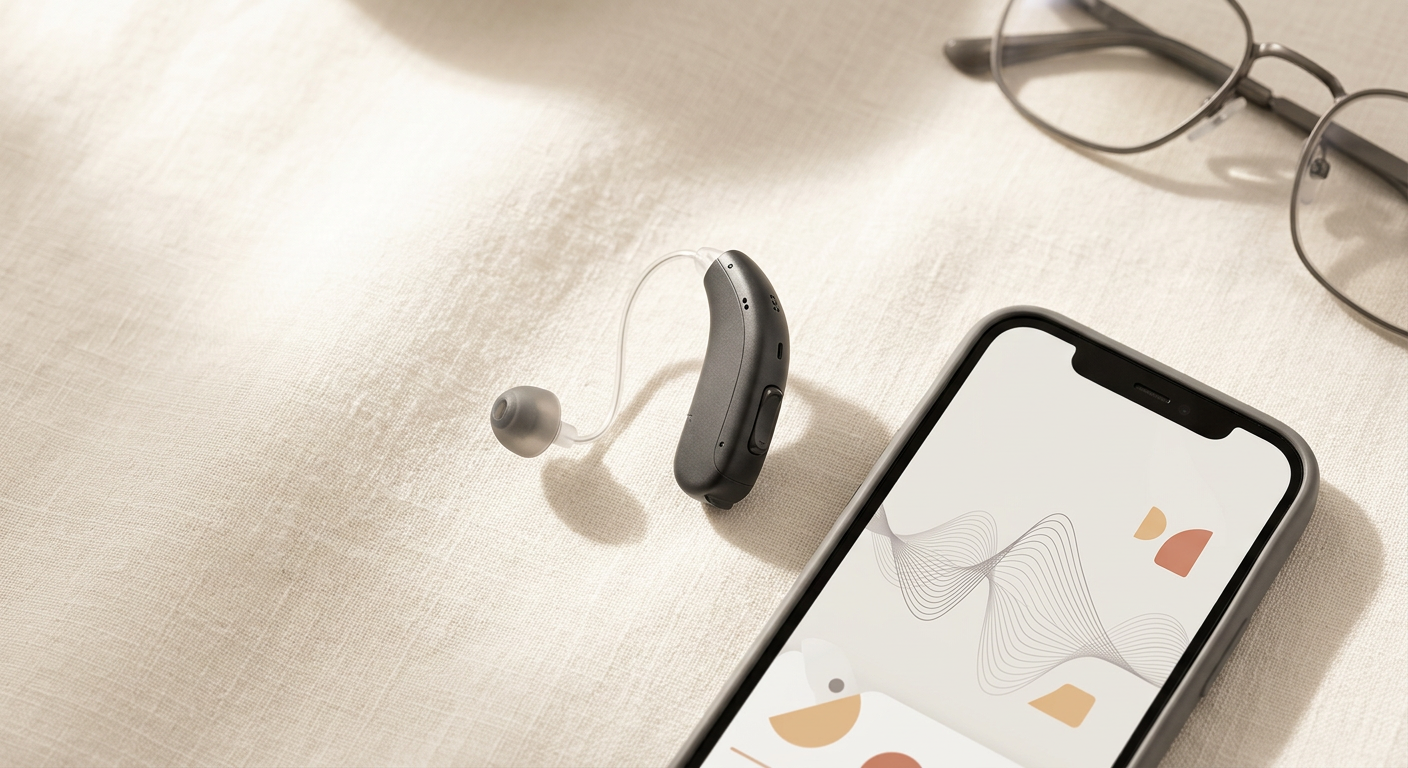
- The 2022 FDA rule created a whole new category of hearing aids you can buy without a prescription. The old model was $5,000 through an audiologist’s door. The new model is $800 to $1,995 delivered to your kitchen table, self-fit with a smartphone app in about ten minutes.
- Three brands stand out as of 2026. Sennheiser All Day Clear at $799.95 is the premium OTC pick at the low price point. Jabra Enhance Select at $1,195 to $1,995 is the direct-to-consumer option with unlimited licensed audiology support for three years. Apple AirPods Pro 2 at $249 are FDA-cleared for mild loss and work with iOS 18’s built-in hearing test.
- Real market maturity means real trial periods (45 to 100 days), real audiology support (video appointments and app-based tuning), real returns, and real warranties. The $5,000 hearing aid model that couldn’t be returned and couldn’t be adjusted after the initial fit is dying and it should.
- OTC is for mild to moderate hearing loss only. If your loss is severe or profound (over 60 dB HL), you still need a prescription-fit hearing aid from an audiologist. If you have red-flag symptoms (sudden loss, pain, drainage, ringing in one ear, dizziness), you need an ENT before you buy anything.
The FDA rule that dropped the price of hearing aids by 70 percent. Most people missed the memo.
For the first fifty years of the hearing aid industry, the buying process looked like this. You made an appointment at an audiologist’s office. You paid a few hundred dollars for a hearing test. You were quoted $4,000 to $6,000 for a pair of hearing aids that you would receive in a few weeks. You could not return them. You could not comparison shop online. You paid, you fit, you lived with whatever the audiologist put in your ears.
That model held for decades. Then, in October 2022, the FDA changed the rules.
The FDA established a new category of over-the-counter (OTC) hearing aids for adults 18 or older with perceived mild to moderate hearing loss. No prescription required. No audiologist visit required. Ordered online, delivered to your door, self-fit with a smartphone app. The final rule came out of a 2017 law that directed the FDA to create the category, then years of public comment and manufacturer preparation. When the rule went into effect in October 2022, the market changed overnight.
Three years in, the market has matured. The gimmicks have washed out. Serious audio manufacturers (Sennheiser, Sony) and dedicated hearing-aid startups (Jabra Enhance, Lexie) have shipped real products at real prices with real trial periods. The consumer electronics giants pushed in too. Apple’s AirPods Pro 2 received FDA clearance in 2024 for use as a hearing aid for mild-to-moderate loss.
The reader who is putting off getting hearing aids because they still remember their father’s $6,000 pair from 2005 is working from a picture thirty years out of date. The prices, the trial periods, the fit process, and the technology are different.
This piece is the buyer’s framework.

What actually changed in 2022
The FDA’s rule is technical but the practical change is simple. Before 2022, every hearing aid sold in the United States was regulated as a medical device that required a prescription. Getting one required a hearing test administered by a licensed audiologist, an audiologist-fit, and follow-up appointments. The FDA-mandated barrier drove costs up and adoption down. Only about one in five Americans who could benefit from a hearing aid actually owned one.
The 2022 rule split the category. Prescription hearing aids remain for severe and profound loss and for anyone under 18. A new OTC category was created for adults with perceived mild to moderate loss. OTC hearing aids can be purchased online or in a retail store without any audiologist visit at all, and they can include self-fitting features (an in-app hearing test, custom amplification profile, adjustment over time). The FDA’s consumer page walks through the exact requirements including packaging warnings, red-flag symptom lists, and return policies.
The practical results of the rule change through late 2025:
- Prices dropped substantially. What used to cost $4,000 to $6,000 fit through an audiologist now runs $250 to $2,000 direct-to-consumer for equivalent or better technology.
- Trial periods became standard. Every serious OTC brand now offers 45 to 100 days to return the product. Prescription hearing aids historically offered 30-day trials at best, often with a restocking fee.
- Bluetooth streaming, app-based custom tuning, and rechargeable batteries became table stakes. What used to be premium features in a $5,000 device are now in an $800 device.
- Audiology support did not go away. It moved online. Both Jabra Enhance and Sennheiser include remote audiologist appointments as part of the purchase, with app-based tuning between visits.
What features actually matter
Not every feature earns its price. Some are legitimate upgrades that will show up in the day-to-day experience. Others are marketing bullets that sound good in a comparison table and never affect a real listening moment. The list of features that actually matter, in order of impact:
Rechargeable batteries. The single most quality-of-life feature added to OTC hearing aids in the last three years. Skipping the every-week disposable-battery ritual is worth real money over the life of the device. Every brand on the buyer’s table below is rechargeable.
Bluetooth streaming to phone and TV. Turns hearing aids into a hearing aid plus a headset plus a personal TV audio system. Especially useful for phone calls that used to be a struggle. All three verified brands support Bluetooth streaming to iOS and most Android devices.
App-based custom tuning. Instead of a one-time audiogram followed by fixed amplification, modern OTC hearing aids include a smartphone app that lets the wearer adjust the tuning by environment (restaurant vs quiet home vs windy outdoor), fine-tune specific frequencies where the loss is greater, and reset if it does not feel right. The tuner in your pocket, always available.
Licensed audiology support included in the purchase. This is what makes the difference between a self-fit OTC hearing aid that works well and one that sits in a drawer. Jabra Enhance stands out here with unlimited licensed audiologist video appointments across the first three years. Sennheiser offers an optional in-clinic care package for a premium. Apple has no audiology layer, which is fine for mild loss but a real limit for anything more.
Discreet form factor. The behind-the-ear (BTE) shell has gotten dramatically smaller. Jabra Enhance Select 700 markets as the world’s smallest OTC hearing aid. Sennheiser All Day Clear is similarly discreet. Apple AirPods Pro 2 look like earbuds, which is either the biggest pro or the biggest con depending on how much a reader wants their hearing tech to be visible.
Sennheiser publishes a solid OTC hearing aids buyer’s guide that walks through their view of the feature list. Their bias is real but their framework is sound.
Three OTC brands worth considering, side by side
The verified OTC options at the three price points a Livium reader is most likely to consider. Each has a real trial period, a real return policy, and real support. The prescription-hearing-aid route sits at the bottom for context. If your loss is severe, that is still the right path.
| Brand / Model | Price / pair | Trial period | Best for | Audiology support |
|---|---|---|---|---|
| Apple AirPods Pro 2 | $249 new | 14 days | Mild loss, occasional wear, iPhone owners | None (self-set via iOS 18 hearing test) |
| Sennheiser All Day Clear | $799.95 (sale from $999.95) | 45 days | Mild to moderate, self-fit, premium sound | App-based; optional in-clinic care package |
| Jabra Enhance Select 50R | $1,195 | 100 days | Budget mid-tier, first-time OTC buyer | Unlimited licensed audiology, 3 years |
| Jabra Enhance Select 300 | $1,695 | 100 days | Solid mid-tier, most readers land here | Unlimited licensed audiology, 3 years |
| Jabra Enhance Select 700 | $1,995 | 100 days | Premium OTC flagship, nearly invisible | Unlimited licensed audiology, 3 years |
| Prescription hearing aids | $2,500 to $6,000 | Varies | Severe or profound loss, complex cases | In-person audiologist, ongoing |
Source: Livium editorial synthesis based on manufacturer product pages verified in 2026 (Sennheiser All Day Clear, Jabra Enhance Select, Apple AirPods Pro), the FDA OTC hearing aid rule, and NIDCD’s OTC guidance.
The right way to shop this table. If a reader has mild loss and already owns an iPhone, start with Apple AirPods Pro 2 (or the version they already own if it is the 2 line, iOS 18 or later). If AirPods clearly help but the reader wants something optimized for all-day wear and a wider loss range, step up to Sennheiser All Day Clear at $799.95. If the reader values licensed audiology support as part of the purchase and wants the flexibility of a 100-day trial with unlimited adjustments across three years, Jabra Enhance Select at the appropriate price point is the pick.
When you still need an audiologist
OTC hearing aids are the right first move for a lot of readers. They are not the right first move for everyone. The FDA-required warnings on OTC packaging list the situations where a reader should stop and see a professional first, and the list is worth taking seriously.
- Severe or profound hearing loss. If a reader cannot follow conversations even in a quiet room, or cannot hear loud sounds like traffic or a running lawnmower, OTC hearing aids will not amplify enough. Prescription hearing aids fit by an audiologist can. This is a real hardware limit, not a marketing gate.
- Sudden hearing loss. Sudden sensorineural hearing loss is a medical emergency with a roughly 72-hour treatment window. If a reader lost meaningful hearing in one or both ears in the past few days, they need an ENT the same day, not an OTC hearing aid.
- Hearing loss primarily in one ear (asymmetric loss) or tinnitus (ringing) in only one ear. Both can indicate serious conditions that need imaging and an ENT workup. OTC hearing aids do not screen for the underlying cause.
- Ear pain, blood, drainage, fluid, or a fullness feeling that has not gone away. See an ENT. An OTC hearing aid in a still-recovering ear is not the answer.
- Vertigo, dizziness, or a feeling of spinning. Frequently connected to inner-ear issues and needs a professional workup.
- A history of ear surgery or a known malformation or injury to the ear. Fitting hearing aids in a non-standard ear canal is not a self-fit job.
For readers who fit any of these red-flag categories, the American Academy of Audiology’s consumer OTC guide and the HLAA hearing aids page both walk through how to find a licensed audiologist. For readers who do not fit the red flags but have severe loss, prescription hearing aids from a local audiologist or Costco Hearing Aid Centers (Kirkland Signature) remain solid paths.
The Livium take
Most people overpay for hearing aids because they do not know the rules changed. They walk into an audiologist’s office in 2026 and get quoted $5,500 for a pair, and they either pay it or they walk away and do nothing for another two years. Both outcomes are wrong.
The reframe is straightforward. Our article on the hearing-dementia link covered why hearing aids are a midlife brain-health intervention, not old-person tech. This piece is the practical follow-up. The Livium take on OTC hearing aids in 2026: three brands are worth considering, three price points cover the reader spectrum, and the buyer’s framework is clean.
Under $500 with an iPhone. Apple AirPods Pro 2 and iOS 18’s built-in hearing test are enough to know if a reader has meaningful loss and enough to help with mild loss. Real FDA clearance, real amplification, no audiologist involved.
Around $800. Sennheiser All Day Clear is the premium sound-quality pick with a real 45-day trial. Self-fitting, Bluetooth, rechargeable, endorsed by Forbes Health. Sennheiser is a serious audio brand and the product reflects that.
Between $1,195 and $1,995. Jabra Enhance Select at the appropriate model. What sets this apart is unlimited licensed audiology support across the first three years of ownership, meaning a reader can adjust the fit as their hearing changes without paying again. The 100-day trial is the longest in the OTC category. If Marc had to pick one path for a Livium reader with midlife mild-to-moderate loss and no strong reason to go cheaper or dressier, this is where he would land.
Above $2,000. Prescription hearing aids from a local audiologist for severe or complex cases. This is where the OTC category runs out of amplification headroom and where an in-person audiologist earns their fee.
The tuner in your pocket beats tuning by ear from a decades-old audiogram. The old model was one hearing test, one fit, no follow-up. The new model is a hearing test in the app, adjustment by environment, and audiology on demand when something needs tweaking. That is the buyer’s framework worth knowing.
The Livium recipe
Tool. Start with a baseline hearing test. Sennheiser’s free online hearing test runs in about ten minutes on a computer or phone. Jabra Enhance’s candidacy survey covers the same ground with follow-up on whether their product line fits. If a reader owns an iPhone, iOS 18’s built-in hearing test in the Health app is also a legitimate first read. If any of the three flags mild-to-moderate loss and the reader has no red-flag symptoms (see the section above), OTC is the right path. Pick the price point that fits. Jabra Enhance Select 300 at $1,695 is the mid-tier landing spot for most readers. Baseline midlife biomarkers on file through Function Health remain worth having, since the cardiovascular-risk subgroup drives the strongest cognitive-decline reduction from hearing intervention.
Behavior. Wear them. The single biggest predictor of whether a hearing aid changes a reader’s life is whether it lives in the ear or in a drawer. The recommended target is at least 8 hours a day for the first four weeks (which is the adjustment window), then adjusting up or down based on the reader’s comfort. Return the product before the trial period ends if the fit is not right, and try a different one. That is why the trial period exists. Two behaviors that undermine the investment: buying the cheapest option to save money and returning it because the sound quality was not there, and buying the most expensive option because “you get what you pay for” and never wearing it because it did not fit right. Trust the app, trust the audiology support if the brand includes it, and treat the first 30 days as adaptation time.
Threshold. OTC hearing aids are FDA-cleared for mild to moderate hearing loss only. In audiogram terms, 26 to 60 dB HL. Above 60 dB HL, OTC devices cannot amplify enough and a prescription fit is required. The signs that a reader should stop shopping OTC and see an audiologist: cannot follow conversations in a quiet room even with the OTC hearing aid at full volume, cannot hear loud environmental sounds (traffic, appliances) with the device in, or has red-flag symptoms (sudden loss, pain, drainage, ringing in one ear, dizziness). Timeline-wise, expect two weeks to adapt to the new sound, four weeks for the app-based tuning to settle in, and the full 45 to 100-day trial to know whether the specific product is right. If it is not, return and try a different one.
Plan of action
- Get a baseline hearing test. Sennheiser’s free online test or Jabra Enhance’s candidacy survey both cover this ground in about ten minutes. iPhone owners can also take iOS 18’s built-in hearing test in the Health app.
- If the test flags mild loss and you have an iPhone, start with Apple AirPods Pro. FDA-cleared, $249 for the current model, hearing feature built into iOS 18. If they clearly help but you want something optimized for all-day wear, step up.
- For dedicated OTC hearing aids at the premium sound-quality price point, Sennheiser All Day Clear at $799.95 is the pick. Self-fit, 45-day trial, Bluetooth streaming, rechargeable.
- For dedicated OTC hearing aids with included licensed audiology support, Jabra Enhance Select 300 at $1,695 is where most Livium readers will land. If budget is the priority, Enhance Select 50R at $1,195. If you want the smallest and most premium, Enhance Select 700 at $1,995. All three include 100-day trials and unlimited licensed audiologist appointments across three years.
- Check HSA or FSA eligibility. Sennheiser accepts HSA/FSA cards directly through their Flex partnership. Jabra Enhance accepts both. Apple AirPods Pro purchased for hearing use are generally HSA/FSA-eligible with a doctor’s letter.
- If you have severe loss or any red-flag symptoms (sudden loss, pain, drainage, tinnitus in one ear, dizziness), see an ENT or audiologist first. The HLAA hearing aids page walks through how to find one. For financial assistance, HLAA maintains a directory of insurance, veterans benefits, and nonprofit programs.
Table of Content

Know your body better.
Trusted By Thousands Daily






Do I need a hearing test before I buy OTC hearing aids?
Technically no, per the FDA rule. Practically yes. Every serious OTC brand includes a free online hearing test as part of the purchase or evaluation flow because self-fitting hearing aids need to know your specific loss pattern to amplify the right frequencies. Take the test. It takes ten minutes and gives you a much better outcome.
Are OTC hearing aids as good as prescription hearing aids?
For mild to moderate hearing loss, the honest answer in 2026 is close to equivalent, and in some cases better. The self-fitting apps that Sennheiser and Jabra Enhance ship are dialed enough that a self-fit today can match a professional fit from 2015. For severe or profound loss, prescription hearing aids still amplify significantly more, and the audiologist’s in-person tuning matters more. The reader who fits the OTC criteria and pays $1,000 to $2,000 gets a device that would have cost $5,000 five years ago.
Will insurance cover any of this?
Original Medicare does not cover hearing aids for adults, though some Medicare Advantage plans do. Commercial insurance coverage varies widely and often has a benefit cap far below the cost of a fitted pair. HSA and FSA funds can generally be used for OTC hearing aids and, with a doctor’s letter of medical necessity, for AirPods Pro 2 used for hearing assistance. Verify the current policy with the plan administrator before buying.
What is the difference between OTC hearing aids and PSAPs?
Personal sound amplification products (PSAPs) are marketed for people without hearing loss to boost specific listening situations (bird watching, hunting, quiet conversation). They are NOT FDA-regulated as hearing aids. Some cheap PSAPs are marketed misleadingly as hearing aids and are worth avoiding. A quick test: if the product does not explicitly say FDA-cleared as an OTC hearing aid on the packaging and marketing, treat it as a PSAP and skip it for actual hearing loss.
Can I buy OTC hearing aids at Costco?
Costco Hearing Aid Centers sell Kirkland Signature hearing aids and other brands through in-store fittings with their own licensed audiologists. Costco’s pricing is competitive (Kirkland Signature 10.0 runs about $1,499 per pair) and their in-store audiology fit is included. Not OTC in the strict sense (they fit them for you), but a legitimate alternative to fully online DTC brands for Costco members. Requires a store visit and a membership.
How long do OTC hearing aids last?
Well-cared-for OTC hearing aids typically last 4 to 6 years, similar to prescription hearing aids. Rechargeable batteries hold their capacity for 3 to 5 years before noticeable degradation. Most brands offer 1 to 3-year manufacturer warranties. Cleaning, wax filter replacement (about every 3 months), and not exposing them to moisture beyond sweat resistance are the maintenance basics.
Legal Disclaimer
The content published on Livium Health is for informational and educational purposes only. Nothing on this site constitutes medical advice, diagnosis, or treatment. Always consult a qualified healthcare provider before making decisions about your health, including changes to medications, supplements, diet, or exercise.
Livium Health is not a medical practice and does not have a patient-provider relationship with its readers. We do not sell supplements, medications, or treatments, and we have no financial relationship with the products or services we reference.
While we work to ensure the information we publish is accurate and up to date, health and medical guidance evolves. We make no guarantees about the completeness or currency of any content on this site. Reliance on any information provided by Livium Health is solely at your own risk.
If you are experiencing a medical emergency, call 911 or your local emergency services immediately.
We may receive compensation, free products, or affiliate commissions for products mentioned in this post. Opinions are our own.