
Share
Energy & Focus
Women's Health
Perimenopause and energy: When fatigue shows up the same year your cycle gets unpredictable
6 min read

Key takeaways
- Perimenopausal fatigue is driven by three intersecting mechanisms: disrupted sleep from hot flashes and night sweats, declining estrogen’s direct effect on energy metabolism, and the cortisol pattern that follows years of fragmented nights.
- If fatigue appeared the same year your cycle started changing, it is hormones until proven otherwise. Proof requires a blood panel: estradiol, follicle-stimulating hormone (FSH), and progesterone.
- Hormone replacement therapy (HRT) is the highest-evidence intervention for perimenopausal fatigue. The 2002 study that scared a generation of women off HRT has been largely reinterpreted. Current evidence supports HRT initiation in the early menopause transition for most healthy women.
- Behavioral interventions help but they are rearranging deck chairs when the underlying estrogen decline is unaddressed.
It is 6:48 AM. You have been awake since 4
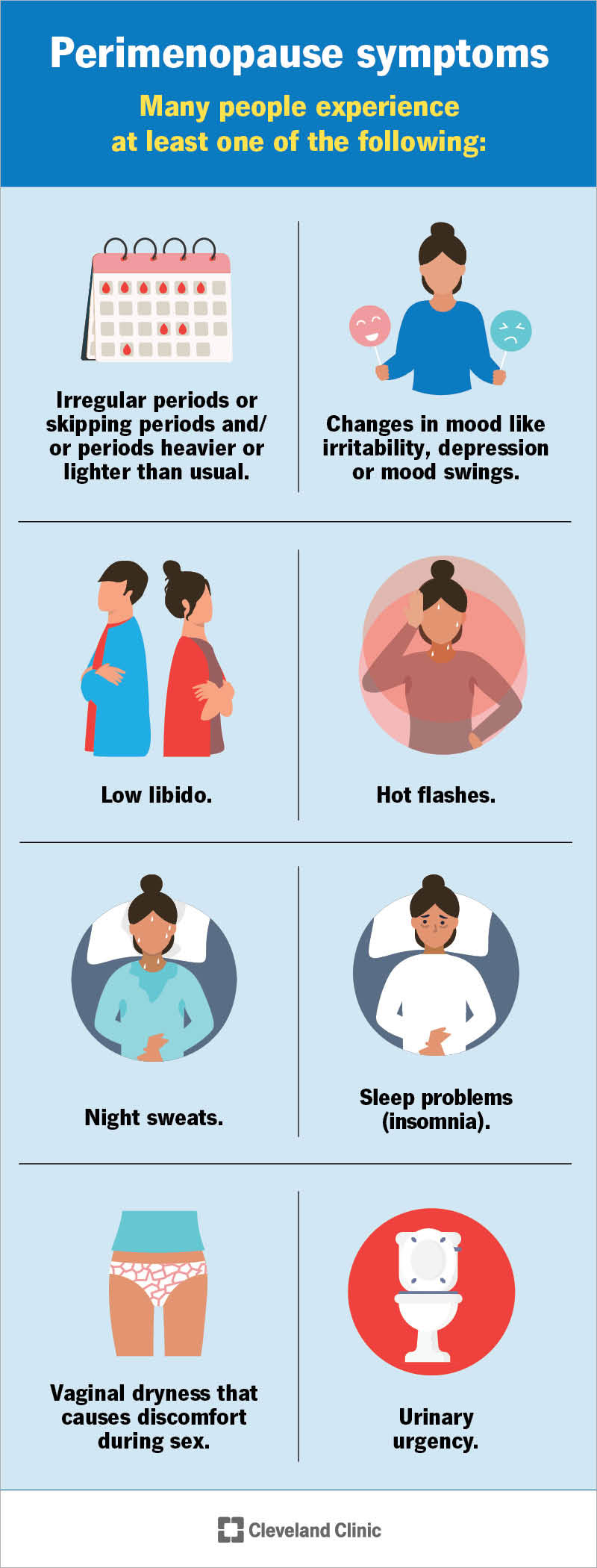
Not because of noise. Not a worry that kept you up. At 4:07 AM you woke with heat radiating from your chest and neck, kicked the covers off, waited, put them back, tried to fall back asleep, almost did, and then it happened again at 5:30 AM. Now it is almost 7 and you have a full day ahead on three hours of sleep. Again.
The fatigue that follows this pattern is different from garden-variety tiredness. It is cumulative. It stacks over weeks. By month three, you are running a deficit that a full weekend of sleep does not touch, because the weekend cannot give back what four months of interrupted nights took.
Your primary care doctor calls this a normal part of aging and suggests you take it easy. The correct response is to get an estradiol and FSH panel and make an appointment with a hormone specialist.
What is actually happening
Estradiol is not just a reproductive hormone. It regulates mitochondrial function, sleep quality, serotonin and dopamine production, cortisol response, and glucose metabolism. When estradiol declines, all of those systems become less efficient simultaneously. The result is a cluster of symptoms that look like five different problems but share one root cause.
Perimenopause typically begins four to 10 years before the final menstrual period, meaning women in their early-to-mid 40s may already be in the transition. During this window, estradiol does not decline smoothly. It fluctuates, sometimes wildly, which is why symptoms come and go in ways that make them hard to attribute to hormones. A week of feeling normal is not evidence that hormones are fine. It is evidence that estradiol happened to be in a relatively stable window that week.
Hot flashes and night sweats are the most visible driver of perimenopausal fatigue, but not the only one. Even women without prominent vasomotor symptoms often report fatigue as their leading complaint, driven by the metabolic and neurological effects of declining estradiol rather than direct sleep disruption.
What you have probably already tried
Black cohosh, evening primrose, phytoestrogens. These have a following in the natural wellness community. A 2022 Cochrane review found herbal preparations for menopause symptoms had limited evidence of effectiveness compared to HRT and variable effects across individuals. They are not harmful for most women. They are just not the tool for the job when the job is restoring meaningful estrogen activity.
Sleep hygiene protocols. Correct advice for general sleep improvement. But when fatigue is driven by hot flashes fragmenting sleep four times per night, a sleep hygiene protocol addresses context, not cause. You cannot sleep-hygiene your way out of estradiol-driven night sweats.
More caffeine and more exercise. Both help manage day-to-day symptoms. Neither stops the underlying process. And there is a ceiling: chronic sleep debt blunts the benefit of both caffeine and exercise over time, which is why women 18 months into the transition often report that their coffee “stopped working.”
The Livium take. HRT is the highest-evidence tool for perimenopausal fatigue. It addresses the root cause, not the downstream symptoms. The evidence since 2010 has substantially clarified who benefits and who carries elevated risk. Most healthy women entering perimenopause in their 40s are in the benefit category. The decision belongs to you and a hormone specialist.
The Livium recipe
Tool. Get an estradiol, FSH, and progesterone panel. These three together show where you are in the transition. Rising FSH with fluctuating or declining estradiol is the classic perimenopausal pattern. Order through Function Health as part of a full panel, or request it from a hormone-aware gynecologist. Then schedule with a menopause specialist or reproductive endocrinologist to review results. The Menopause Society provider directory at menopause.org lists certified practitioners.
Behavior. Three targeted behaviors for the transition window. Resistance training at least twice per week (estradiol supports muscle protein synthesis; as it declines, muscle mass drops faster and resistance training is the best available counter). Protein intake above 1.2 grams per kilogram of body weight per day, higher than the standard recommendation, specifically because hormonal shifts make muscle maintenance harder. A consistent sleep schedule to give the cortisol awakening response the best chance of functioning despite disrupted nights.
Threshold. Subjective energy score (1 to 10 at 9 AM) tracked for four weeks before HRT initiation and eight weeks after. Most women initiating transdermal estrogen in perimenopause report sleep improvement within two to four weeks and energy improvement within four to eight weeks. If HRT is initiated and sleep does not improve within eight weeks, a home sleep test for OSA is warranted. Perimenopause increases OSA risk and the two conditions frequently overlap.
| Intervention | Evidence level | What it addresses | Livium take |
|---|---|---|---|
| HRT (transdermal estrogen plus progesterone) | Highest | Root cause: estrogen decline | First-line for most healthy perimenopausal women |
| Resistance training 2x/week | Strong | Muscle mass, metabolic rate, cortisol regulation | Non-negotiable companion to HRT |
| High-protein diet (above 1.2g/kg/day) | Moderate | Muscle retention, satiety, metabolic stability | Underrated; most women eat well under 1g/kg/day |
| Phytoestrogen supplements | Limited | Weak estrogenic signaling | Not harmful; not the tool for significant fatigue |
| Sleep hygiene protocols | Moderate (general insomnia) | Sleep context, not vasomotor disruption | Helpful add-on; not sufficient alone |
Source: Livium editorial synthesis based on The Menopause Society 2022 Hormone Therapy Position Statement and clinical evidence review.
Plan of action
- Order an estradiol, FSH, and progesterone panel through Function Health or at your next gynecology appointment. Schedule the draw on day 2 or 3 of your cycle if cycles are still regular.
- Book with a menopause specialist or reproductive endocrinologist. The Menopause Society provider directory lists certified practitioners by location.
- Start resistance training this week. Two sessions is sufficient to begin. The goal is muscle preservation, not fitness.
- Track protein intake for one week. Most women eating a typical Western diet consume 60 to 80g per day. The target is 90 to 120g depending on body weight.
- If HRT is initiated and sleep does not improve meaningfully within eight weeks, order a home sleep test at Lofta. Perimenopause raises OSA risk and the two compound each other.
Table of Content

Know your body better.
Trusted By Thousands Daily




FAQ
Is HRT safe? I thought it was linked to breast cancer.
The 2002 Women’s Health Initiative study raised concerns about combined oral HRT. Subsequent analysis found the study population (mostly women in their 60s, many years post-menopause) did not represent typical HRT candidates. For healthy women initiating HRT in the early perimenopause transition, current evidence from The Menopause Society and multiple independent reviews supports a favorable benefit-to-risk profile. The risk profile differs by HRT type, route of administration, and individual health factors. This is a conversation with a specialist, not a blanket rule in either direction.
I’m 43 and my periods are still regular. Can I be in perimenopause?
Yes. The perimenopause transition can begin with hormonal fluctuations years before cycle irregularity appears. Early perimenopause often presents with shorter or slightly irregular cycles, new PMS symptoms, or sleep changes while cycles continue. FSH beginning to rise is an early marker. Fatigue appearing at this life stage warrants an estradiol and FSH panel regardless of cycle regularity.
My doctor said my hormones are fine. Should I get a second opinion?
Ask specifically whether estradiol, FSH, and progesterone were all checked in context of your cycle phase. If only FSH was run, the information is incomplete. If symptoms are significantly affecting quality of life and you are not getting answers, a menopause specialist is not overreacting. It is getting the right specialist for the problem.
Legal Disclaimer
The content published on Livium Health is for informational and educational purposes only. Nothing on this site constitutes medical advice, diagnosis, or treatment. Always consult a qualified healthcare provider before making decisions about your health, including changes to medications, supplements, diet, or exercise.
Livium Health is not a medical practice and does not have a patient-provider relationship with its readers. We do not sell supplements, medications, or treatments, and we have no financial relationship with the products or services we reference.
While we work to ensure the information we publish is accurate and up to date, health and medical guidance evolves. We make no guarantees about the completeness or currency of any content on this site. Reliance on any information provided by Livium Health is solely at your own risk.
If you are experiencing a medical emergency, call 911 or your local emergency services immediately.
We may receive compensation, free products, or affiliate commissions for products mentioned in this post. Opinions are our own.