
Share
Men's Health
Sleep
Women's Health
Poor sleep is making you gain weight. Here’s the hormone chain behind it
6 min read

Key takeaways
- Sleep restriction raises ghrelin (hunger signal) and lowers leptin (fullness signal) within days. This is not willpower. It is hormones.
- Poor sleep also impairs insulin sensitivity, meaning glucose from food gets stored as fat more readily. Chronic sleep debt is metabolically similar to early-stage insulin resistance.
- Weekend catch-up sleep does not fix the week’s damage. A 2019 NHLBI study found that it may actually worsen insulin sensitivity and lead to weight gain compared with consistent short sleep.
- The loop runs in both directions. Poor sleep drives weight gain. Weight gain, especially abdominal fat, increases the risk of sleep apnea. Sleep apnea fragments sleep. The circle completes.
You are eating more than you used to, and you do not know why
The calories-in explanation for midlife weight gain is technically true and practically incomplete. Most people know roughly how much they should eat. They are not getting dumber about food. But something has shifted. The hunger is different. More insistent. Harder to satisfy. The fullness signal that used to arrive halfway through dinner is arriving later, or not reliably at all.
Sleep is a very plausible culprit that most people never investigate. Not because sleep is a magic metabolic switch, but because it is a real one.
The mechanism is not complicated. When you sleep less than your body needs, the hormones that regulate hunger and fullness move in the wrong direction. Reliably. Within days. Every time.
The hormone loop in plain English
Two hormones do most of the work on appetite: ghrelin and leptin.
Ghrelin is the hunger signal. It tells the brain to eat. Leptin is the fullness signal. It tells the brain to stop. Under normal circumstances, they roughly balance. When you get less sleep than your body needs, ghrelin levels rise, and leptin levels fall. You eat more. You feel less full when you do. The NHLBI is direct on this: not getting enough sleep leads to higher ghrelin, lower leptin, and increased hunger and appetite.
Layer insulin sensitivity on top of that. Sleep deprivation impairs the body’s response to insulin. Glucose from food gets cleared from the bloodstream less efficiently and is more likely to get stored as fat. The NHLBI’s 2023 study in women found that chronic sleep restriction increased insulin resistance, with more pronounced effects in postmenopausal women. Harvard research puts the caloric math plainly: inadequate sleep leads to increased calorie intake, and impaired insulin signaling makes those calories more likely to be stored as fat.
The cortisol piece adds another loop. Poor sleep elevates evening cortisol. Elevated evening cortisol disrupts both sleep quality and fat metabolism, particularly around the abdomen. Abdominal fat raises sleep apnea risk. Sleep apnea fragments sleep. And now you are back to the beginning.
The Livium take. Dieting against a broken sleep-hormone thermostat is fighting the temperature with a sweater. You can do it for a while, but it is exhausting, and it does not fix the thermostat. The most metabolically honest thing you can do is improve the sleep first. The appetite shifts follow.
Why weekend catch-up sleep does not fix it
This one is counterintuitive and worth knowing about.
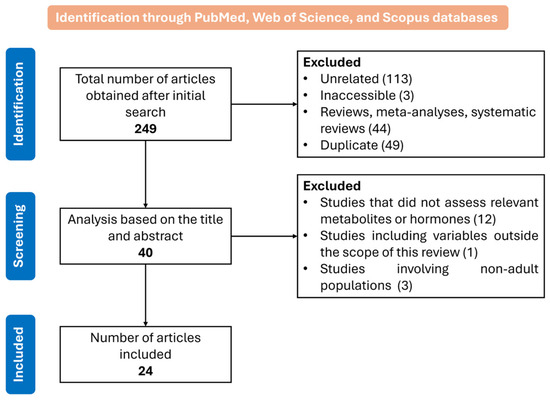
A 2019 NHLBI study put 36 healthy adults through two weeks in a sleep lab. One group had unrestricted sleep. One had five hours per night throughout. A third had restricted weeknight sleep followed by a weekend of unrestricted catch-up sleep. The catch-up group showed a 27% decrease in insulin sensitivity after the recovery weekend, and gained more weight than the consistently short-sleeping group. The circadian disruption from sleeping wildly different hours on the weekend appears to add metabolic damage on top of the sleep debt, not repair it.
This does not mean sleeping in on the weekend is always bad. It means chronic weekday sleep restriction cannot be undone with two long Saturday mornings. The fix is earlier nights during the week, not compensation on the weekend.
The Livium recipe
Tool. Two tools in parallel. A sleep tracker (WHOOP, Oura, or Garmin) to get objective data on sleep duration and quality, not just subjective impression. And a continuous glucose monitor (CGM) for a two-week window to see how your insulin sensitivity actually responds to sleep nights versus poor sleep nights. The Stelo biosensor from Lofta is available over the counter, no prescription needed, and costs about $99 per month. The pattern of higher morning glucose after short or fragmented nights of sleep is often evident within the first week. It is motivating in a way that abstract information rarely is.
Behavior. Protect seven to eight hours of time in bed, not just time asleep. Consistent wake time is more important than consistent bedtime for circadian stability. Stop eating two to three hours before bed; late eating raises overnight glucose and disrupts sleep. Cut alcohol; it fragments sleep in the second half of the night even when it feels like it helps you fall asleep. If you are taking GLP-1 medications like Zepbound for weight management, Zepbound via Hims is also approved for obstructive sleep apnea, which means the sleep-weight loop now has a direct pharmacological intervention point.
Threshold. Four weeks of consistent, protected sleep duration (seven hours minimum) and then reassess: hunger levels, evening appetite, body weight trend, and CGM data if you ran it. Most people notice a reduction in appetite before they notice a weight change. The hormones shift faster than the scale.
The sleep-weight link by the numbers
| Sleep duration | Ghrelin / leptin effect | Insulin sensitivity effect | Weight trend |
|---|---|---|---|
| 7-9 hours (adequate) | Balanced; leptin and ghrelin in normal range | Normal insulin response; glucose cleared efficiently | Neutral to positive; appropriate caloric regulation |
| 5-6 hours (mild restriction) | Ghrelin rises, leptin falls; increased hunger begins within days | Measurable impairment; risk of prediabetes with chronic exposure | Gradual; roughly 300-500 extra calories consumed per day in studies |
| Under 5 hours (severe restriction) | Significant ghrelin elevation; leptin substantially reduced | Substantial impairment; cortisol elevation compounds the effect | Significant; both caloric intake and fat storage increase |
| Weekend catch-up after chronic restriction | Temporary partial restoration; does not fully normalize | May worsen (27% decrease in NHLBI 2019 study) | Associated with more weight gain than consistent short sleep in the NHLBI study |
Sources: NHLBI, Why Sleep Is Important; Harvard Health Publishing; NHLBI 2019 weekend catch-up sleep study; NHLBI 2023 insulin resistance in women study.
Plan of action
- Prioritize sleep duration before trying any dietary intervention for weight. Not instead of diet and exercise. Before. The hormones do not negotiate with caloric restriction when they are running in stress mode.
- Set a consistent wake time and work backward to a bedtime that allows seven to eight hours in bed. The wake time is the anchor. The bedtime follows it.
- Run a two-week CGM to see your personal glucose response to sleep quality nights versus poor ones. Lofta carries the Stelo biosensor over the counter. Data is often the most motivating factor for sleep compliance.
- If obstructive sleep apnea is possible (snoring, waking unrefreshed, daytime sleepiness despite adequate time in bed), get tested. A home sleep test via Lofta is the starting point. Untreated sleep apnea is a direct driver of the hormone loop and cannot be fixed through sleep hygiene alone.
- For full hormonal context including insulin, cortisol, and sex hormones, Function Health runs the complete panel. If weight gain is the symptom and low testosterone is part of the picture, Hone Health specifically addresses the male hormone side.
Table of Content

Know your body better.
Trusted By Thousands Daily




FAQ
How quickly do hunger hormones normalize after improving sleep?
Ghrelin and leptin respond to sleep in opposite directions within days. A Harvard study found that adults who extended their sleep consumed fewer calories almost immediately. Two weeks of consistent adequate sleep is enough to begin seeing measurable hormonal improvement. Full metabolic normalization from chronic sleep debt takes longer.
I sleep 8 hours but still feel like I am gaining weight easily. What else could it be?
Sleep quantity does not guarantee sleep quality. Eight hours with sleep apnea, frequent arousals, or poor deep sleep distribution is not the same as eight hours of restorative sleep. A sleep tracker will show you the fragmentation even if you do not consciously feel it. Beyond sleep, low testosterone (in men), perimenopause-related hormonal shifts (in women), and thyroid dysfunction are all worth investigating if sleep quality checks out.
Does the timing of eating interact with the sleep-weight connection?
Yes. Eating late in the evening (within two to three hours of bedtime) raises overnight glucose levels, disrupts sleep quality, and keeps the liver’s circadian clock processing food when it should be in nighttime recovery mode. Late eating and short sleep compound each other. Cutting both simultaneously is more effective than addressing only one.
Legal Disclaimer
The content published on Livium Health is for informational and educational purposes only. Nothing on this site constitutes medical advice, diagnosis, or treatment. Always consult a qualified healthcare provider before making decisions about your health, including changes to medications, supplements, diet, or exercise.
Livium Health is not a medical practice and does not have a patient-provider relationship with its readers. We do not sell supplements, medications, or treatments, and we have no financial relationship with the products or services we reference.
While we work to ensure the information we publish is accurate and up to date, health and medical guidance evolves. We make no guarantees about the completeness or currency of any content on this site. Reliance on any information provided by Livium Health is solely at your own risk.
If you are experiencing a medical emergency, call 911 or your local emergency services immediately.
We may receive compensation, free products, or affiliate commissions for products mentioned in this post. Opinions are our own.