
Share
Men's Health
Mental Health
Women's Health
Seasonal affective disorder after 40: Why it gets worse and what actually works
5 min read

Key takeaways
- Seasonal affective disorder (SAD) intensifies with age for most sufferers because the circadian system becomes less robust, the lens of the eye yellows (reducing blue-wavelength light transmission to the retina), and the hormonal changes of midlife add to the serotonin dysregulation that SAD drives.
- Light therapy at 10,000 lux for 20 to 30 minutes within the first hour of waking is the most evidence-supported first-line treatment for SAD, with effect sizes equivalent to antidepressant medication and faster onset.
- Vitamin D deficiency is not a cause of SAD, but it is almost universally present in SAD sufferers in northern latitudes, and deficiency significantly worsens both mood and sleep quality through independent mechanisms.
- For moderate to severe SAD, combination treatment (light therapy plus CBT for SAD, or light therapy plus antidepressant) produces more durable remission than either alone.
October arrives and so does a different person
The pattern is reliable enough that some people can set a calendar reminder: around the third week of October, something shifts. Energy drops. Sleep extends but does not restore. Appetite changes toward carbohydrates. Concentration degrades. Social withdrawal increases. By January, the person who was functional in August is running at 60 percent of capacity, and the version of themselves that will return in March feels like a different person entirely.
For many people in their 40s and 50s, these winters are getting worse. The symptoms that were manageable in the 30s are now clinically significant. The mechanisms that explain why are well characterized: a less robust circadian clock that is more vulnerable to photoperiod disruption, a yellowing crystalline lens that reduces retinal light exposure, menopausal or andropause hormonal changes that reduce the serotonin buffering capacity that partially protected against earlier winters, and in many cases a vitamin D level that has been declining for years without anyone checking it.
The mechanism: light, serotonin, and the circadian clock
SAD is driven by the reduced light exposure of winter months acting on a biological system that requires light input to regulate serotonin turnover, melatonin suppression, and circadian rhythm anchoring. The specific failure: shorter days produce reduced retinal light exposure, which reduces the SCN’s ability to suppress melatonin during the day. Elevated daytime melatonin produces the hypersomnia, low energy, and cognitive fog characteristic of SAD. Simultaneously, serotonin transporter expression increases in SAD patients during winter, reducing synaptic serotonin availability and driving the mood changes.
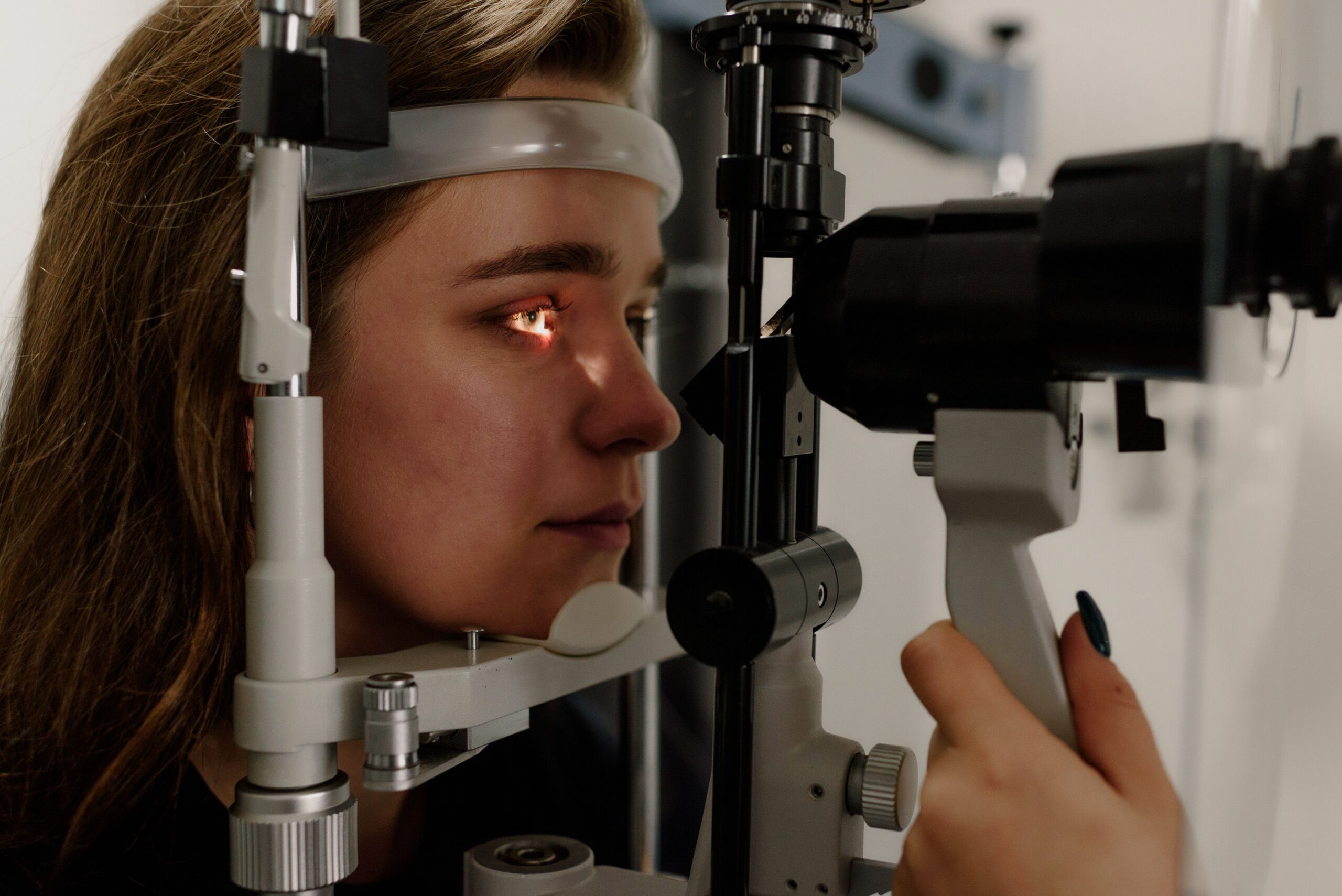
The aging lens compounds this. The crystalline lens yellows with age, absorbing increasing amounts of the short-wavelength (blue) light that is the primary driver of retinal photoreception for circadian regulation. A 65-year-old’s retina receives roughly one-third the blue-wavelength light that a 25-year-old’s retina receives under identical outdoor conditions. The effective reduction in circadian-relevant light exposure with aging is substantial and occurs independently of reduced outdoor time.
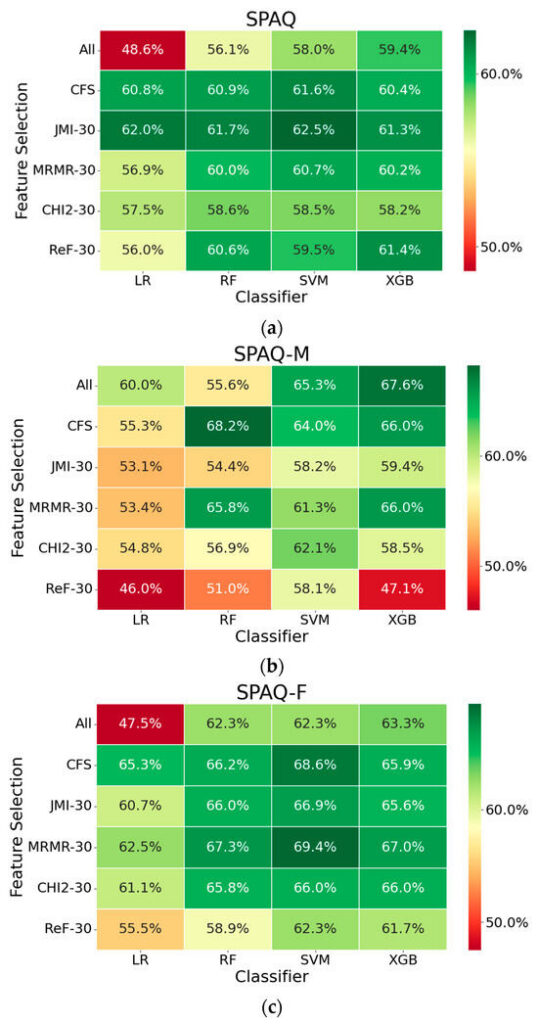
Circadian clock gene variants reduce the SCN’s capacity to suppress melatonin during daylight hours — the molecular mechanism that explains why some people are biologically more vulnerable to SAD and why that vulnerability compounds with age. Source: Ingram et al., Biology 2023 — SAD and Circadian Clock Gene Variants. CC BY 4.0.
The Livium recipe
Tool. A 10,000 lux light therapy lamp positioned 12 to 24 inches from the face. The Verilux HappyLight Luxe is the standard for this category, providing full-spectrum white light at the clinical dose level. The lamp must be used within the first hour of waking, not at any other time of day. Evening light therapy delays the circadian clock rather than advancing it, worsening rather than improving SAD.
Behavior. Twenty to 30 minutes of 10,000 lux exposure within 30 minutes of waking, every morning from early October through April for northern latitude sufferers. Simultaneously: maintain physical activity through the winter months at the expense of other discretionary time if necessary. Exercise is the second most evidence-supported intervention for SAD after light therapy, and the two are additive. Outdoor walking in natural light even on overcast days provides meaningful retinal stimulation beyond indoor light levels.
Threshold. Two weeks of consistent morning light therapy produces clinically meaningful symptom improvement in most SAD patients. Full remission typically occurs within four to six weeks. If there is no improvement after four weeks of daily use, the next step is adding either CBT-SAD (cognitive behavioral therapy specifically adapted for seasonal depression) or discussing antidepressant options with a prescribing physician.
The nutritional support layer
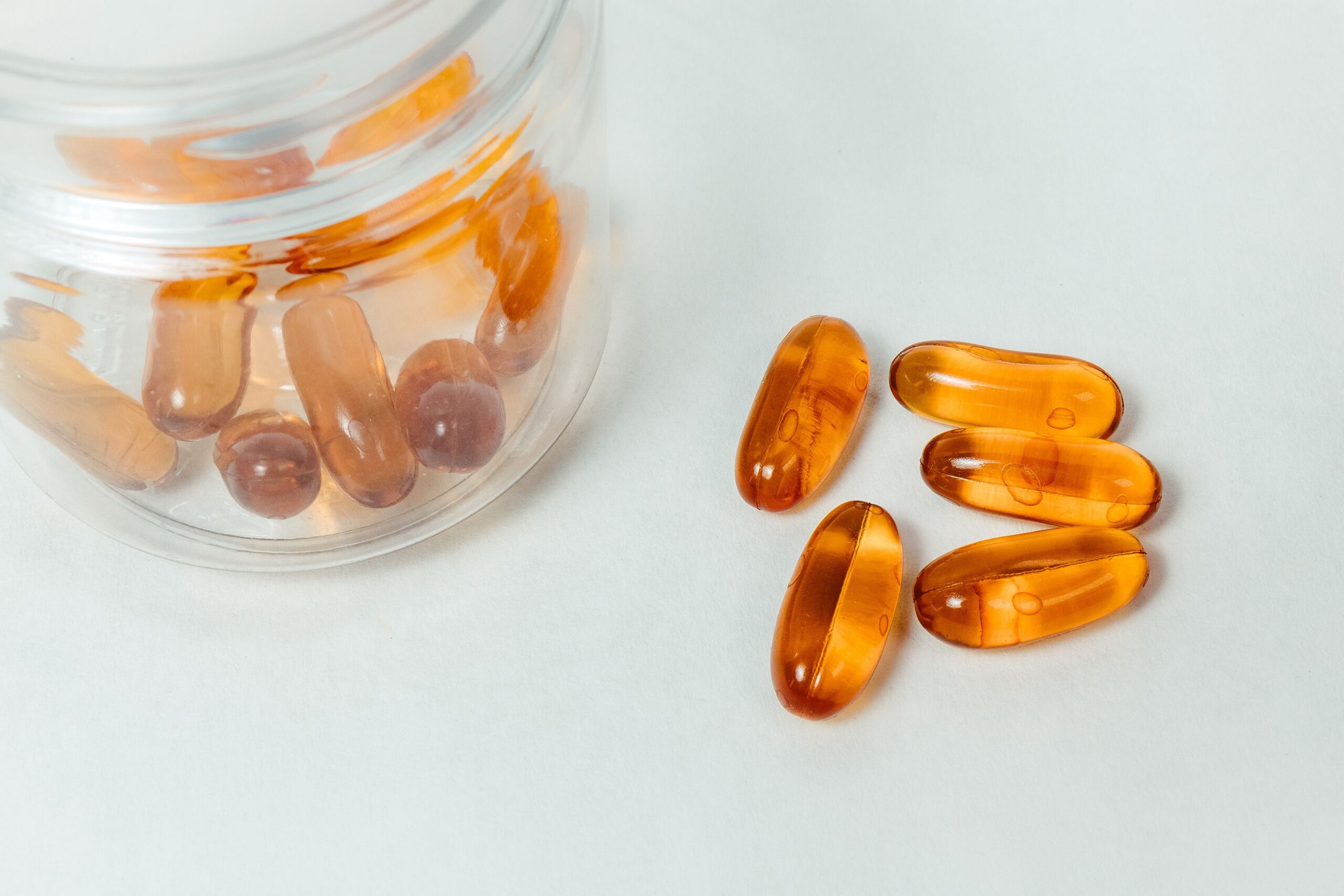
Life Extension Vitamin D3 with Sea-Iodine addresses the near-universal vitamin D deficiency of winter months in northern latitudes. Check 25-OH vitamin D before starting. For most adults north of the 35th parallel, 3,000 to 5,000 IU daily is required to maintain 50 to 80 ng/mL through winter without supplementation. Deficiency alone does not cause SAD, but it independently impairs serotonin synthesis and worsens both mood and sleep quality.
Nature’s Bounty St. John’s Wort 300 mg three times daily has the most robust evidence among supplements for mild to moderate seasonal depression, with multiple meta-analyses showing effect sizes comparable to SSRIs for mild to moderate unipolar depression. Note the significant drug interaction potential: St. John’s Wort induces CYP3A4 and P-glycoprotein and should not be combined with SSRIs, anticoagulants, oral contraceptives, or several other medication classes without physician guidance. Natrol 5-HTP Time Release 100 mg taken before bed provides serotonin precursor support through the night, complementing the daytime serotonin support of light therapy.
SAD severity and treatment hierarchy
| Severity | Characteristics | First-line treatment | If insufficient |
|---|---|---|---|
| Subsyndromal (“winter blues”) | Low energy, mild mood change; function maintained | Light therapy; exercise; vitamin D optimization | Add St. John’s Wort or 5-HTP |
| Moderate SAD | Clinically significant; work and relationships affected | Light therapy + CBT-SAD | Add SSRI or bupropion; physician referral |
| Severe SAD | Significant functional impairment; possible suicidal ideation | Bupropion XL (only FDA-approved for SAD prevention); physician-supervised combination | Psychiatric referral |
Source: Livium editorial synthesis based on NIMH Seasonal Affective Disorder and Lam et al., Canadian Journal of Psychiatry (2016), SAD treatment guidelines.
Plan of action
- Start light therapy in September, before symptoms appear. Preventive use produces better outcomes than reactive use after the winter pattern has established.
- Check 25-OH vitamin D in October. Supplementation at 3,000 to 5,000 IU daily to maintain 60 to 80 ng/mL through winter. Recheck in March.
- Do not let physical activity drop through winter. Schedule it with the same calendar rigidity as the light therapy session. If outdoor walking is the format, go even when overcast. Overcast outdoor light still provides 1,000 to 5,000 lux, dramatically more than any indoor environment without a therapy lamp.
- If two weeks of consistent light therapy plus exercise produces no improvement, contact a physician. Bupropion XL has FDA approval specifically for SAD prevention and can be started in October for the winter season rather than waiting for symptoms to become disabling.
Table of Content
Know your body better.
Trusted By Thousands Daily
FAQs
Can SAD occur in summer?
Yes. Summer SAD is less common but clinically recognized. It presents differently from winter SAD: insomnia rather than hypersomnia, agitation rather than lethargy, reduced appetite rather than increased. It is driven by different mechanisms, potentially heat sensitivity and altered circadian phase, and does not respond to light therapy. It requires physician evaluation and is treated differently from winter SAD.
Does latitude matter?
Yes significantly. SAD prevalence roughly doubles with every 10 degrees of latitude above 30. It affects approximately 1 to 2 percent of adults in Florida, 9 percent in New England, and up to 20 percent in Alaska and northern Canada. People who move from southern to northern latitudes in midlife frequently experience first-onset SAD in their new location, sometimes after a year or two of acclimatization.
Why does it get worse with age specifically?
Three concurrent mechanisms. First, the crystalline lens yellows and transmits progressively less blue-wavelength light to the retina, reducing circadian-relevant light input under identical outdoor conditions. Second, the SCN’s intrinsic circadian oscillation weakens with age, making it more vulnerable to photoperiod disruption. Third, midlife hormonal changes reduce the serotonin buffering capacity that partially compensated for the light deficit in earlier decades. All three compound simultaneously through the 40s and 50s.
Legal Disclaimer
The content published on Livium Health is for informational and educational purposes only. Nothing on this site constitutes medical advice, diagnosis, or treatment. Always consult a qualified healthcare provider before making decisions about your health, including changes to medications, supplements, diet, or exercise.
Livium Health is not a medical practice and does not have a patient-provider relationship with its readers. We do not sell supplements, medications, or treatments, and we have no financial relationship with the products or services we reference.
While we work to ensure the information we publish is accurate and up to date, health and medical guidance evolves. We make no guarantees about the completeness or currency of any content on this site. Reliance on any information provided by Livium Health is solely at your own risk.
If you are experiencing a medical emergency, call 911 or your local emergency services immediately.
We may receive compensation, free products, or affiliate commissions for products mentioned in this post. Opinions are our own.