
Share
Men's Health
Sleep
Women's Health
Shift work, late nights, and the circadian damage that does not reset on its own
6 min read
Key takeaways
- Chronic circadian disruption from irregular schedules produces measurable damage to cardiovascular, metabolic, and cognitive function that does not self-correct when the schedule normalizes.
- The biomarkers of circadian disruption (elevated CRP, impaired fasting glucose, flattened cortisol curve) show up in bloodwork before symptoms arrive.
- Light anchoring, CGM tracking, and active sleep temperature management are the three most evidence-backed tools for resynchronizing a disrupted clock.
- You do not need to be a nurse or a pilot to have a disrupted circadian clock. Irregular bedtimes, late-night screens, and variable meal timing produce the same biology at a lower magnitude.
The clock does not care that it was just for one week
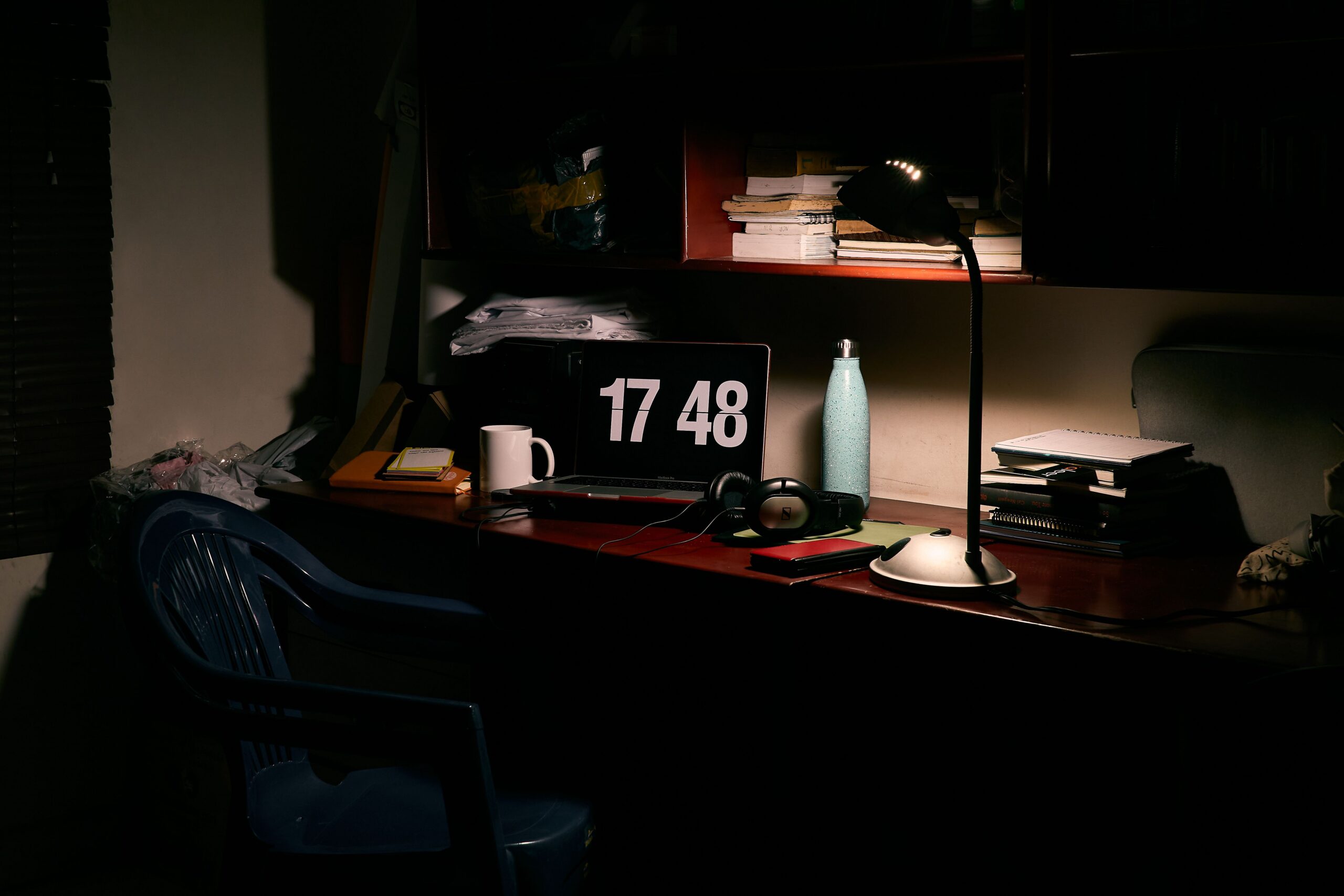
A week of late nights during a product launch. A month of travel across time zones. Years of scrolling until midnight and waking at 6 AM for school drop-off. None of these looks like shift work from the outside. From the inside of your hypothalamus, they are indistinguishable from it.
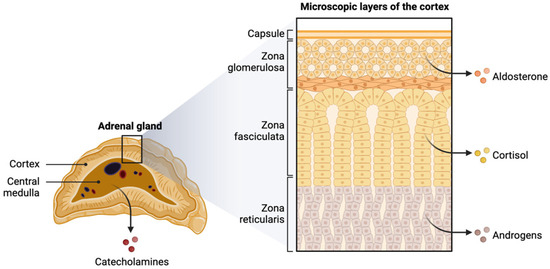
The suprachiasmatic nucleus (SCN), the brain’s master clock, synchronizes every peripheral organ clock in your body. Heart, liver, pancreas, adrenal glands; each runs its own molecular clock, calibrated to the SCN’s signal. Disrupt the SCN through irregular light timing, irregular sleep timing, and irregular meal timing, and every downstream clock runs slightly out of phase. The cumulative metabolic cost is substantial.
The shift work literature quantifies this cleanly. Shift workers have a 29 percent higher risk of obesity, a 40 percent higher risk of type 2 diabetes, and a 23 percent higher risk of coronary artery disease compared to day workers. Those numbers do not magically reset the month after someone goes back to a day schedule. The cumulative damage takes time to reverse. Some of it does not reverse completely.
What disruption looks like in the bloodwork
Chronic circadian disruption leaves a biomarker fingerprint before it produces obvious symptoms. The pattern is recognizable to anyone looking for it: elevated high-sensitivity C-reactive protein (hs-CRP), impaired fasting glucose, flattened cortisol curve (measured AM and PM), and declining testosterone in men. Taken together, these markers tell you the clock is running off-grid.
A Function Health full panel covers all of these. Order it, look at the AM cortisol, fasting glucose, HbA1c, and CRP results together, and you have a snapshot of where the circadian damage currently sits. The panel gives you a baseline. It also gives you something to measure against once you start resynchronizing the clock.
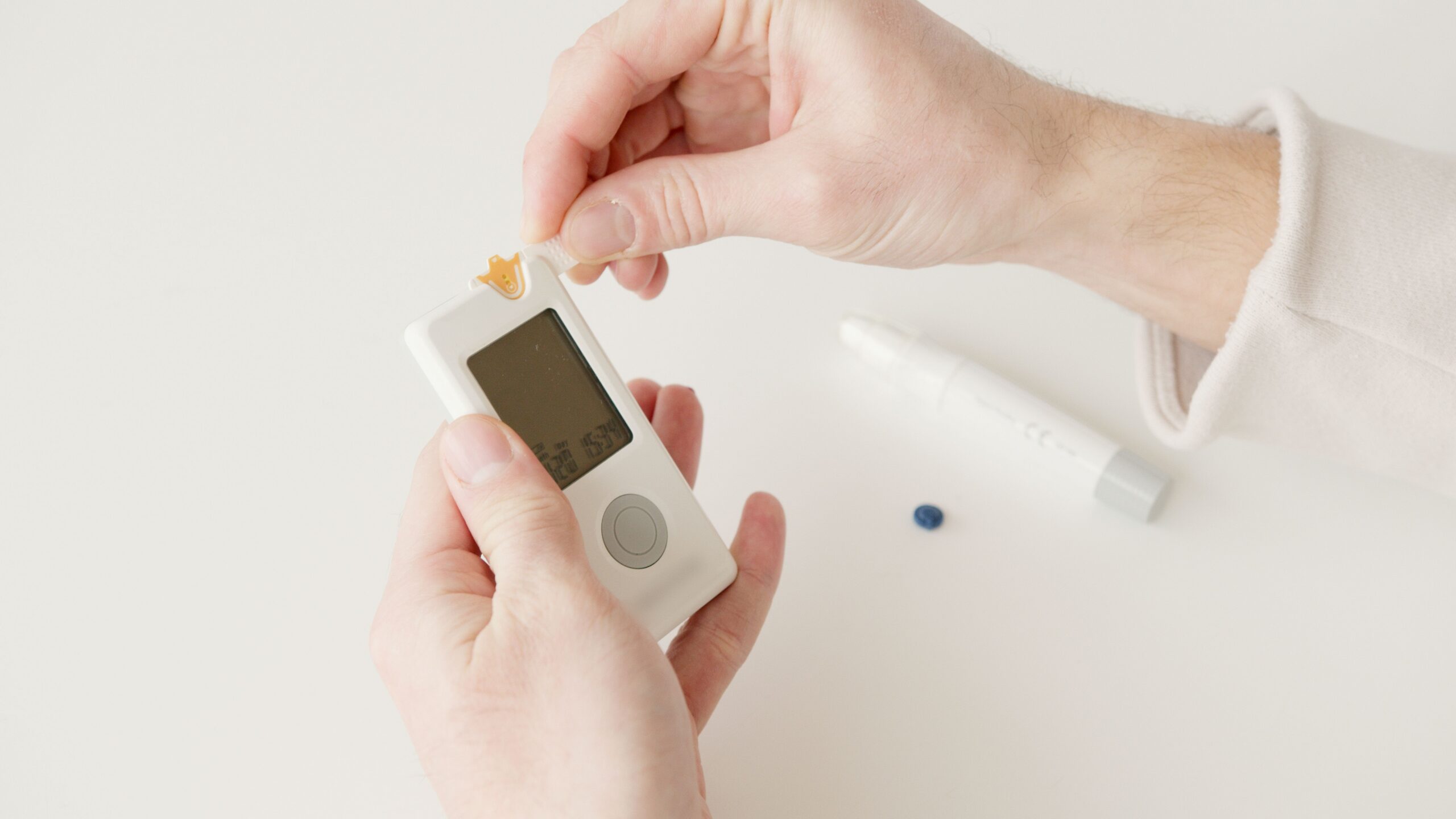
The glucose picture deserves its own callout. Circadian disruption impairs insulin sensitivity independently of diet and exercise. The same meal, eaten at 8 PM on a disrupted clock, produces a higher glucose excursion and slower clearance than when eaten at noon on a synchronized clock. A continuous glucose monitor (CGM) from Lofta makes this visible in real time.
The Livium recipe
Tool. Three tools working together: a light therapy lamp in the morning (10,000 lux, 20-30 minutes within 30 minutes of waking; Carex Day-Light Classic is the research-standard device), a CGM from Lofta to track the metabolic signature of your schedule in real time, and an Eight Sleep Pod Cover to anchor the sleep environment to a consistent temperature signal each night.
Behavior. Same wake time every day, including weekends, for four weeks. Within 30 minutes of waking, get either outdoor light or light from a light therapy lamp. Last meal at least three hours before bed. Blue-light blocking glasses (available on Amazon) from 9 PM until sleep. If you have telehealth access to Hims Sleep, low-dose melatonin (0.3-0.5 mg, not the standard 5-10 mg) taken 90 minutes before target sleep time accelerates resynchronization.
Threshold. After four weeks, fasting glucose should trend toward the low 80s on CGM. Morning energy should improve. The deep sleep percentage on your wearable should be increasing. At six weeks, rerun the Function Health panel. CRP and cortisol curves are the markers most likely to show measurable movement in that window.
The three clock inputs that matter most
| Input | What it signals | Disruption source | Re-anchoring tool |
|---|---|---|---|
| Light timing | Wake time to the SCN | Late mornings indoors, evening screens | Morning light or 10,000 lux lamp |
| Meal timing | Feeding time to peripheral clocks | Late dinners, variable meal schedule | Last meal 3 hrs before bed, CGM to verify |
| Temperature | Sleep onset/offset to body clock | Hot bedroom, inconsistent bedtime | Eight Sleep Pod Cover |
Source: Livium editorial synthesis based on Cipolla-Neto et al., IJMS 2023 and NHLBI Sleep-Wake Cycle research.
Four things you can start tonight
Resynchronizing a disrupted circadian clock takes weeks. These four tools address the light, temperature, and supplementation inputs simultaneously and work from the first night you use them.
Light therapy lamp. Morning bright light is the highest-leverage clock-anchoring input available. Outdoors is best. For winter mornings, early schedules, or anyone who cannot get outside within 30 minutes of waking, a 10,000 lux lamp delivers the same retinal signal. The Carex Day-Light Classic is the device used in most clinical trials of bright light therapy. Twenty minutes at arm’s length, within 30 minutes of waking. Do not stare directly at it.
Blue light blocking glasses. Evening light exposure delays melatonin onset and pushes the clock later. Screens are the primary source after 9 PM for most people. Amber-lens blue light blocking glasses worn from 9 PM until sleep reduce the circadian delay from evening screens measurably. They look ridiculous. They work.
Low-dose melatonin. At 0.3 to 0.5 mg taken 90 minutes before your target sleep time, melatonin acts as a chronobiotic rather than a sedative; it shifts the clock rather than knocking you out. The 5 to 10 mg doses sold at most pharmacies produce sedation without a meaningful circadian effect. Low-dose melatonin (0.3 mg) is harder to find but available on Amazon. This is the dose the research actually uses.
Magnesium glycinate. Circadian disruption chronically elevates cortisol, which depletes magnesium. Low magnesium worsens cortisol regulation. The loop compounds. Magnesium glycinate at 300-400 mg before bed supports both the GABA pathways that reduce cortisol at night and the sleep quality that circadian disruption degrades. Under $25 a month.
Plan of action
- Pick a consistent wake time and hold it for four weeks. This is the single highest-leverage intervention for circadian resynchronization, and it costs nothing.
- Get morning light within 30 minutes of waking. Outdoor is best. A Carex 10,000 lux lamp is the indoor alternative for winter mornings or early schedules.
- Order a CGM from Lofta and wear it for two weeks during your resynchronization period. The glucose data makes the circadian damage visible and confirms when the clock is re-anchoring.
- Run a Function Health panel now to get your baseline CRP, cortisol, and fasting glucose. Rerun it at six weeks. That is your before-and-after.
Table of Content

Know your body better.
Trusted By Thousands Daily






FAQs
How long does it take to resynchronize a disrupted circadian clock?
Most people see subjective improvement in energy and sleep quality within two to three weeks of consistent light anchoring and schedule regularity. Biomarker improvement (CRP, glucose, cortisol curve) typically takes four to eight weeks. The more disrupted the baseline, the longer the recovery.
Does low-dose melatonin actually help with circadian resynchronization?
At 0.3-0.5 mg, taken 90 minutes before the target sleep time, yes. At the 5-10 mg doses sold over the counter, it acts more as a sedative than a chronobiotic. The resynchronization effect requires that the dose be physiological rather than pharmacological. Talk to a provider at Hims Sleep about a prescription-grade low-dose option if you want this done correctly.
What if my work schedule makes a consistent wake time impossible?
Focus on the inputs you can control: light timing, meal timing, and temperature. Even with a variable sleep schedule, consistent morning light and a last meal at least three hours before sleep produce a meaningful circadian benefit compared to no anchoring at all.
Legal Disclaimer
The content published on Livium Health is for informational and educational purposes only. Nothing on this site constitutes medical advice, diagnosis, or treatment. Always consult a qualified healthcare provider before making decisions about your health, including changes to medications, supplements, diet, or exercise.
Livium Health is not a medical practice and does not have a patient-provider relationship with its readers. We do not sell supplements, medications, or treatments, and we have no financial relationship with the products or services we reference.
While we work to ensure the information we publish is accurate and up to date, health and medical guidance evolves. We make no guarantees about the completeness or currency of any content on this site. Reliance on any information provided by Livium Health is solely at your own risk.
If you are experiencing a medical emergency, call 911 or your local emergency services immediately.
We may receive compensation, free products, or affiliate commissions for products mentioned in this post. Opinions are our own.