
Share
Men's Health
Sleep
Women's Health
Sleeping longer but feeling worse: When excess sleep signals poor recovery quality
6 min read
Key takeaways
- Sleeping longer but feeling worse may signal poor recovery quality, not insufficient sleep duration.
- Inflammation, circadian misalignment, and fragmented sleep can all increase sleep need while reducing restorative benefit.
- Stabilizing your wake time, addressing inflammation, and evaluating underlying health markers can help improve recovery.
When more sleep leaves you more tired
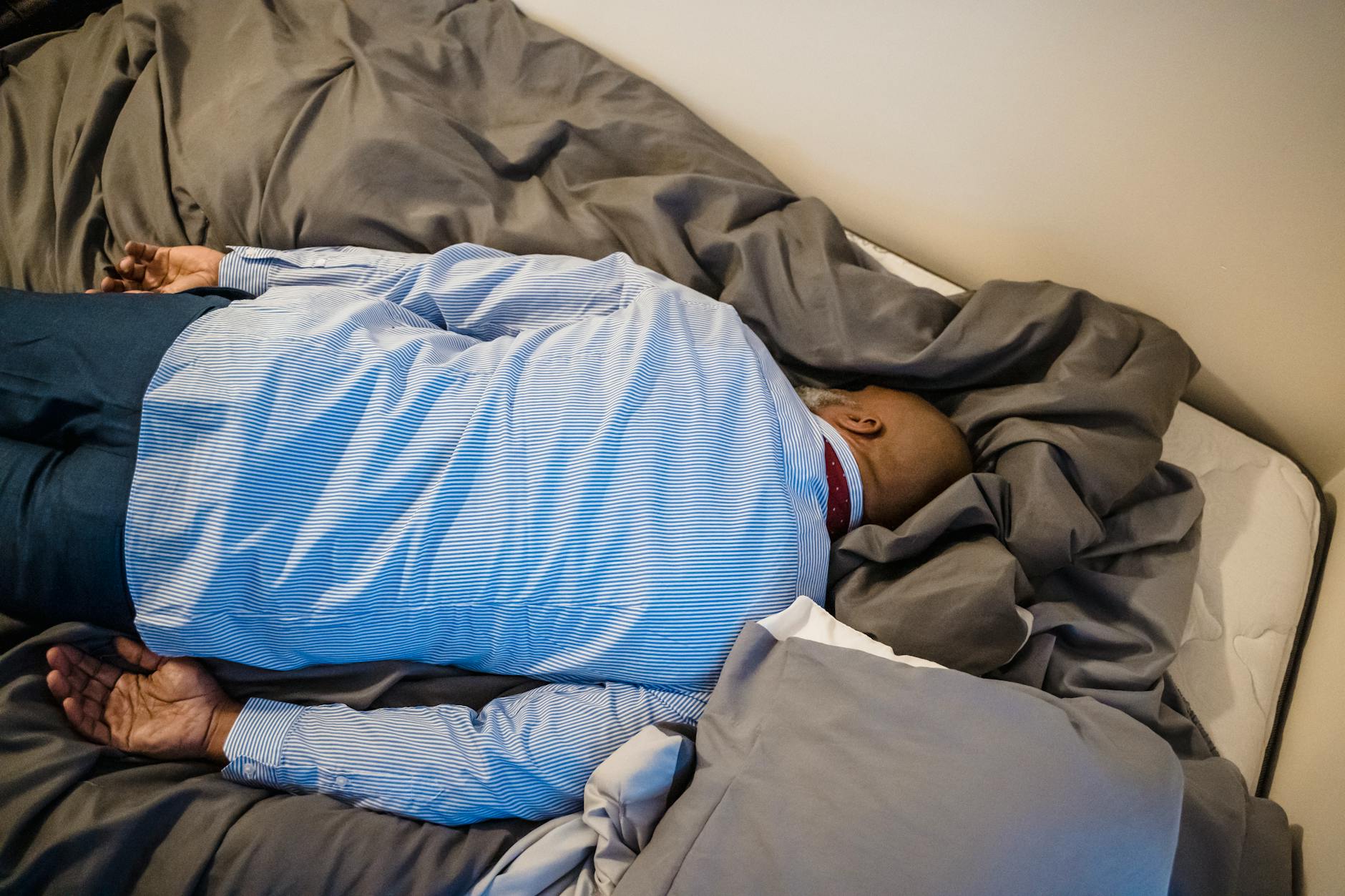
You sleep nine or ten hours and still wake up exhausted. You spend more time in bed than most people and feel worse for it. This is not laziness or a lack of willpower. It may signal that your body is not recovering properly during sleep, even when given more time.
Sleep quality matters more than duration. When recovery is compromised, adding hours may not improve how you feel. In fact, sleeping too much can sometimes worsen fatigue, especially when the underlying drivers remain unaddressed.
This article explains what may be happening when you sleep longer but feel worse, why this pattern occurs, and what to consider doing next.
What happens during normal sleep recovery
Sleep is a recovery process. During deep sleep and REM sleep, your body repairs tissue, clears metabolic waste, consolidates memory, and regulates hormones. When these stages function well, you wake up feeling restored.
Recovery depends on sleep architecture. This refers to how much time you spend in each sleep stage and how smoothly you cycle through them. Disruptions to this structure reduce recovery quality, even if total sleep time increases.
When sleep architecture is fragmented, your body may spend more time in lighter sleep stages and less time in restorative deep sleep. This creates a mismatch between time spent asleep and actual recovery.
Why sleeping longer may leave you feeling worse
Several patterns can cause prolonged sleep to worsen fatigue rather than resolve it. These include inflammation, circadian misalignment, poor sleep quality, and underlying health issues that interfere with recovery.
Inflammation and immune activation
Chronic low-grade inflammation can increase sleep need while simultaneously reducing sleep quality. Your body may demand more rest to manage the inflammatory load, but the sleep itself remains unrefreshing.
Inflammatory cytokines influence sleep regulation. Elevated levels can increase total sleep time but reduce restorative sleep stages. This creates a cycle where you sleep more but recover less.
Common contributors include poor diet, sedentary behavior, chronic stress, gut dysfunction, and unresolved infections.
Circadian rhythm disruption
Oversleeping can shift your circadian rhythm, especially if sleep and wake times vary significantly day to day. This misalignment disrupts cortisol patterns, melatonin timing, and metabolic regulation.
When you sleep later or longer than your body expects, you may wake during a low point in your natural cortisol curve. This contributes to grogginess and difficulty starting the day, even after extended sleep.
Irregular sleep schedules compound this effect. Your internal clock struggles to predict when to initiate wakefulness and alertness, leaving you feeling off regardless of sleep duration.
Sleep inertia from excessive sleep
Sleep inertia refers to the grogginess and disorientation that occur immediately after waking. This feeling typically lasts 15 to 30 minutes but can persist longer after oversleeping.
Waking from deep sleep or during a misaligned circadian phase worsens sleep inertia. The longer you sleep beyond your natural need, the more likely you are to wake during an inopportune moment in your sleep cycle.
Poor sleep quality masking as long sleep
You may be in bed for 10 hours but only get 6 hours of restorative sleep. Frequent awakenings, restless sleep, and shallow sleep stages reduce recovery without shortening measured sleep time.
Sleep apnea, periodic limb movements, and environmental disruptions can all fragment sleep without your conscious awareness. You may believe you slept through the night when your body experienced dozens of micro-arousals.
Underlying metabolic or hormonal dysfunction
Thyroid dysfunction, insulin resistance, low cortisol, and sex hormone imbalances can all increase sleep need while impairing the quality of recovery. These conditions often coexist with fatigue and do not resolve with rest alone.
Anemia and nutrient deficiencies, such as low iron, vitamin D, or B12, can also contribute. Your body may attempt to compensate by increasing sleep duration, but the fatigue persists because the root cause remains unaddressed.
When occasional long sleep is normal versus when it is a signal
Sleeping longer after a hard training session, a late night, or a stressful week is normal. This is recovery sleep. Your body needed extra time, and you feel better afterward.
The concern arises when you consistently sleep longer than seven to nine hours and still wake up tired, foggy, or unmotivated. This pattern suggests that time in bed is not translating into functional recovery.
Ask yourself whether the extra sleep helps. If you feel worse after sleeping longer, or if long sleep has become your baseline without improving energy, it may be time to explore why recovery is not occurring as expected.
What may help improve recovery quality
Improving recovery means addressing the factors that reduce sleep quality and disrupt circadian rhythm. This often requires changes to timing, environment, and underlying health patterns.
Stabilize your sleep and wake times
Set a consistent wake time, even on weekends. This helps anchor your circadian rhythm and improves sleep quality over time. Pair this with morning light exposure within 30 minutes of waking to reinforce your internal clock.
Evaluate inflammation contributors
Consider whether your diet, activity level, stress load, or gut health may be contributing to chronic inflammation. Reducing processed foods, increasing movement, and managing stress can all support better recovery.
Assess your sleep environment
Check for factors that may disrupt sleep without fully waking you. This includes room temperature, light exposure, noise, and mattress quality. Small adjustments can significantly improve sleep architecture.
Test for underlying health issues
If the pattern persists, consider working with a provider to evaluate thyroid function, iron levels, vitamin D, cortisol patterns, and markers of inflammation. Blood work can reveal contributors that rest alone cannot fix.
Track your sleep objectively
Wearable devices that measure heart rate variability, sleep stages, and restlessness can help you understand whether you are truly sleeping well or simply spending time in bed. This data can guide adjustments and inform conversations with a provider.
Plan of action
- Set a consistent wake time and get morning light exposure within 30 minutes of waking to stabilize your circadian rhythm.
- Evaluate whether inflammation, stress, or poor diet may be reducing recovery quality, and make adjustments where possible.
- Assess your sleep environment for factors that may fragment sleep, including temperature, light, and noise.
- Consider tracking sleep with a wearable device to understand whether you are achieving restorative sleep stages.
- If the pattern persists for more than a few weeks, work with a provider to test thyroid function, iron, vitamin D, and inflammation markers.
Table of Content

Know your body better.
Trusted By Thousands Daily








FAQ
Is it normal to feel worse after sleeping too long?
Yes. Oversleeping can disrupt your circadian rhythm and increase sleep inertia, especially if you wake during a deep sleep phase. However, if this happens consistently, it may indicate poor sleep quality or an underlying health issue affecting recovery.
How much sleep is too much?
Most adults function best with seven to nine hours of sleep per night. Regularly sleeping more than 9 hours and still feeling tired may indicate compromised sleep quality or that your body is compensating for an unresolved issue.
Can inflammation make you sleep more?
Yes. Chronic inflammation can increase your body’s sleep drive while simultaneously reducing the restorative quality of that sleep. This creates a pattern where you need more rest but do not feel recovered afterward.
What should I do if I sleep ten hours and still feel exhausted?
Start by stabilizing your wake time and getting morning light exposure. Track your sleep with a wearable device if possible. If the pattern persists, consider working with a provider to evaluate thyroid function, iron levels, and inflammation markers.
Can I fix this without changing my sleep schedule?
Improving recovery quality often requires consistent sleep and wake times. While other factors matter, circadian stability is one of the most effective ways to improve how rested you feel after sleep.
Legal Disclaimer
The content published on Livium Health is for informational and educational purposes only. Nothing on this site constitutes medical advice, diagnosis, or treatment. Always consult a qualified healthcare provider before making decisions about your health, including changes to medications, supplements, diet, or exercise.
Livium Health is not a medical practice and does not have a patient-provider relationship with its readers. We do not sell supplements, medications, or treatments, and we have no financial relationship with the products or services we reference.
While we work to ensure the information we publish is accurate and up to date, health and medical guidance evolves. We make no guarantees about the completeness or currency of any content on this site. Reliance on any information provided by Livium Health is solely at your own risk.
If you are experiencing a medical emergency, call 911 or your local emergency services immediately.
We may receive compensation, free products, or affiliate commissions for products mentioned in this post. Opinions are our own.