
Share
Energy & Focus
Men's Health
Testosterone is an energy hormone. Treating it as one changes everything
5 min read

Key takeaways
- Low testosterone does not primarily manifest as low libido. The earlier and more pervasive symptom is motivational flatness: reduced drive to initiate, blunted reward response, and cognitive fog.
- Standard testosterone panels measure total testosterone. Free testosterone, the biologically active fraction, is what matters and is frequently not ordered.
- Before going clinical, three modifiable upstream drivers are worth addressing first. Each has solid evidence, and none requires a prescription.
- Testosterone replacement therapy (TRT) through a qualified provider is medically supervised, reversible, and consistently associated with improved energy, mood, and cognitive function in men with confirmed deficiency.
This kind of tired is different from other kinds of tired
Sleep deprivation fatigue is heavy. B12 deficiency fatigue is diffuse. Low testosterone fatigue is motivational. The person is not sleepy. They are simply not interested. Projects that used to generate excitement land flat. The will to start things disappears before the ability to do them is gone. Stimulants and caffeine address neither the cause nor the symptom.
Testosterone acts on the brain’s dopamine and norepinephrine systems. It supports the reward circuitry that produces drive, motivation, and the anticipatory pleasure that gets someone out of bed with a purpose. When it falls, those circuits underperform. The result is not sadness. It is flatness. Frequently misdiagnosed as depression, overwork, or simply getting older.
Free testosterone below 50 pg/mL is a meaningful clinical finding. Most men at that level have never had free testosterone checked.
Why the standard test misses it
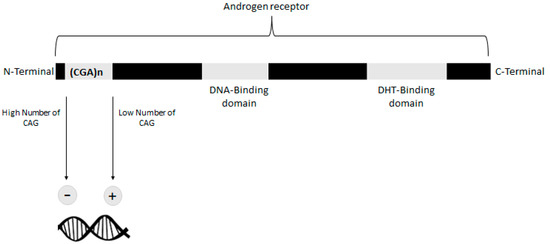
A GP orders total testosterone. It comes back at 420 ng/dL, within the standard reference range. The physician says testosterone is normal. What the physician did not measure: SHBG (sex hormone-binding globulin), which binds testosterone, making it biologically unavailable. A man with a total testosterone of 420 and SHBG of 70 nmol/L has a free testosterone of approximately 45 pg/mL. That is clinically low by any functional standard.
Age and adiposity both raise SHBG. Chronic stress raises cortisol, which suppresses the HPG (hypothalamic-pituitary-gonadal) axis and reduces testosterone production at the source. The result is a systemic reduction in biologically active testosterone that a standard total-T test completely misses.
The upstream protocol before the clinical conversation
Four weeks of consistent resistance training raises testosterone by 15-25 percent in men with low baseline. Sleep is the primary production window. Three supplements address the modifiable biochemical drivers that compound deficiency.
Zinc is a direct cofactor in testosterone synthesis. Mild zinc deficiency is common in men over 40 who sweat regularly or eat little red meat and measurably reduces free testosterone. Thorne Zinc Picolinate at 15-30 mg daily is the best-absorbed form.
Ashwagandha (KSM-66 extract) reduces cortisol by 20-30 percent in multiple randomized controlled trials and raises testosterone in men with normal to low baseline levels over 8-12 weeks. The dose used in trials is 600 mg daily. KSM-66 Ashwagandha 600 mg is the formulation that matches the published research.
Magnesium supports testosterone production and reduces SHBG in men with a deficiency. It also improves sleep quality, which is the most direct upstream driver of testosterone production. Thorne Magnesium Bisglycinate at 300-400 mg before bed covers both angles.
DHEA-S is a testosterone precursor that declines steadily with age. Low DHEA-S on bloodwork is a modifiable upstream driver. Run it only with confirmed low DHEA-S on a panel. Life Extension DHEA 25 mg in the morning is the standard supplemental dose for confirmed deficiency.
The Livium recipe
Tool. Hone Health at-home hormone assessment. Includes free testosterone, total testosterone, SHBG, LH, and FSH with physician review. If free testosterone is below 50 pg/mL and symptoms match, a TRT prescription is issued through the same platform. Confirm the full picture with a Function Health panel that covers cortisol, insulin, thyroid, and DHEA-S, alongside the hormone markers.
Behavior. Before starting TRT, run four weeks of the upstream protocol: resistance training twice per week, zinc and magnesium bisglycinate daily, and sleep timing locked to a consistent wake time. Retest free testosterone at four weeks. In men with borderline low levels, lifestyle optimization alone often moves the number enough to avoid clinical intervention.
Threshold. After 90 days of TRT with a qualified provider, morning energy should be measurably improved. HRV on a wearable typically improves within 60-90 days of treatment. Free testosterone on retesting should be in the 80-130 pg/mL range. If energy remains flat despite an optimized testosterone number at 90 days, the problem is elsewhere. Revisit sleep, cortisol, and thyroid.
TRT facts versus common misconceptions
| What is true | What is not |
|---|---|
| Medically supervised and reversible | Permanently shuts down natural production (suppresses it while on TRT; recovers after stopping) |
| Improves energy, mood, and cognitive function in confirmed deficiency | Causes aggression at physiological replacement doses (no evidence supports this) |
| Requires monitoring of hematocrit, PSA, and estradiol | Causes prostate cancer (evidence has reversed; low testosterone is the associated risk) |
| Available in injections, gels, patches, and pellets | Only for bodybuilders or competitive athletes |
Source: Livium editorial synthesis based on Endocrine Society Clinical Practice Guidelines on Testosterone Therapy in Men.
Plan of action
- Order the Hone Health at-home hormone assessment. Results with physician review in three to five days.
- Run a parallel Function Health panel to check cortisol, insulin, thyroid, and DHEA-S alongside the testosterone markers.
- Start the upstream protocol this week: zinc, magnesium bisglycinate before bed, resistance training twice per week. Retest at four weeks before deciding whether the clinical conversation is necessary.
- If levels remain low after lifestyle optimization, the TRT conversation through Hone Health is the next step.
Table of Content

Know your body better.
Trusted By Thousands Daily




FAQs
Does TRT affect fertility?
Exogenous testosterone suppresses LH and FSH, which suppresses sperm production. This is largely reversible after stopping TRT, but men who want to preserve fertility should discuss this with a urologist before starting. Hone Health physicians address this in the initial consultation.
Does this apply to women, too?
Yes. Testosterone matters for women’s energy and libido. Female testosterone deficiency is a separate clinical conversation, particularly relevant in perimenopause. Hone Health offers hormone-aware care for women navigating this transition.
Can you have low testosterone even if your total testosterone is normal?
Yes. Total testosterone measures all testosterone in the bloodstream, but much of it may be bound to sex hormone-binding globulin (SHBG) and therefore unavailable for use by the body. A man can have a normal total testosterone level while still having clinically low free testosterone, the biologically active form associated with energy, motivation, cognitive function, and overall well-being. This is why a comprehensive hormone panel that includes free testosterone and SHBG is often more informative than total testosterone alone.
Legal Disclaimer
The content published on Livium Health is for informational and educational purposes only. Nothing on this site constitutes medical advice, diagnosis, or treatment. Always consult a qualified healthcare provider before making decisions about your health, including changes to medications, supplements, diet, or exercise.
Livium Health is not a medical practice and does not have a patient-provider relationship with its readers. We do not sell supplements, medications, or treatments, and we have no financial relationship with the products or services we reference.
While we work to ensure the information we publish is accurate and up to date, health and medical guidance evolves. We make no guarantees about the completeness or currency of any content on this site. Reliance on any information provided by Livium Health is solely at your own risk.
If you are experiencing a medical emergency, call 911 or your local emergency services immediately.
We may receive compensation, free products, or affiliate commissions for products mentioned in this post. Opinions are our own.