
Share
Energy & Focus
Men's Health
Women's Health
The 2 PM crash: Why your afternoon energy problem starts at breakfast
5 min read

Key takeaways
- The 2 PM crash is almost never a sleep problem. It is a postprandial glucose (blood sugar after eating) spike and drop triggered by what you ate at breakfast and lunch.
- A normal fasting glucose does not rule out a reactive glucose problem. The two are different measurements that tell completely different stories.
- A continuous glucose monitor (CGM) worn for 14 days maps the crash to its exact meal and shows which foods are driving it in real time.
- Three targeted changes flatten the curve in most people within a week: food order at meals, a 30g carb cap at lunch, and a 10-minute walk afterward.
It is 2:17 PM and you are done
Not sleepy. Not stressed. Just done. The screen is still open. The afternoon is still there. But the person who was productive this morning has been replaced by someone who keeps rereading the same paragraph.
You have tried earlier bedtimes. More coffee. Skipping the big lunch. It helps a little, sometimes, until it does not. The crash comes back anyway, usually landing between 1:45 PM and 3 PM with a reliability that makes it feel like a feature rather than a bug.
It is not a circadian rhythm problem. It is a glucose problem. And it usually starts before 9 AM.
What is actually happening
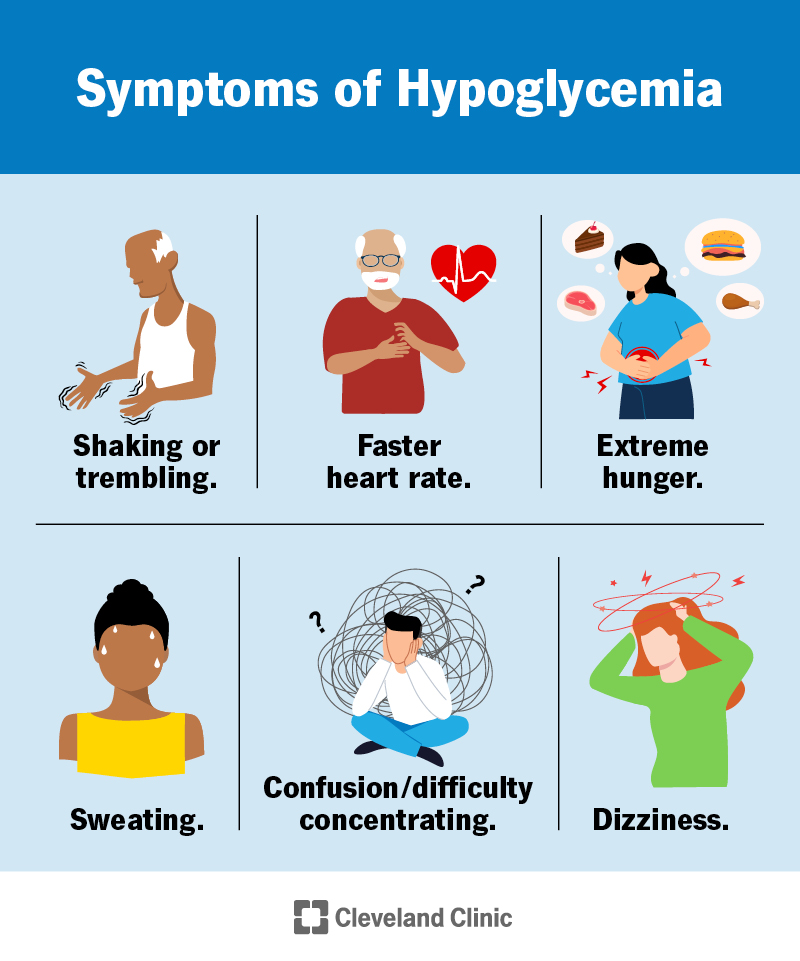
When you eat a carbohydrate-heavy meal, blood sugar rises. The pancreas releases insulin to bring it down. If the spike was large enough, or the insulin response is a little too aggressive, blood sugar overcorrects and drops past baseline. Not into dangerous territory, but into the 70s mg/dL range, which is low enough to produce fatigue, poor concentration, mild irritability, and a compelling urge to eat something sweet.
This is reactive hypoglycemia. It is not pre-diabetes. It does not show on a fasting glucose test because fasting glucose measures your resting baseline, not your spike-and-drop behavior after meals. You can have a fasting glucose of 88, look perfectly healthy on paper, and still be riding a roller coaster between meals that tanks your afternoon every single day.
The timing is not random. A carb-heavy breakfast at 7:30 AM produces a spike that drops around 10 AM (the mid-morning snack craving). A carb-heavy lunch at noon produces a spike that drops around 2 PM. That is your crash window. The CGM proves it.
What you have probably already tried
More sleep. Helps generally, does not fix the crash. Better-rested blood sugar regulation is a small benefit against a larger food-timing problem. The crash still lands.
More caffeine after lunch. Caffeine blocks adenosine receptors and delays the subjective feeling of tiredness, but it does not raise blood sugar. The underlying glucose drop still happens. You feel it less until the caffeine wears off, and then you feel both the original drop and the caffeine rebound at once, usually around 4:30 PM.
Lighter lunches. Closer to the right answer. But if the light lunch is still predominantly carbohydrates (a grain bowl, sweetened yogurt, fruit and crackers) you are reducing volume without changing the spike-and-drop pattern. The crash arrives lighter, later, but still shows up.
The Livium take. Eating less carbohydrate is not the primary lever. Eating carbohydrates last is. The food-order intervention (protein and fat before carbohydrates at every meal) blunts the postprandial spike by 40 to 50 percent in peer-reviewed trials without removing carbohydrates from the plate. The crash is a spike problem. Fix the spike, the data shows.
The Livium recipe
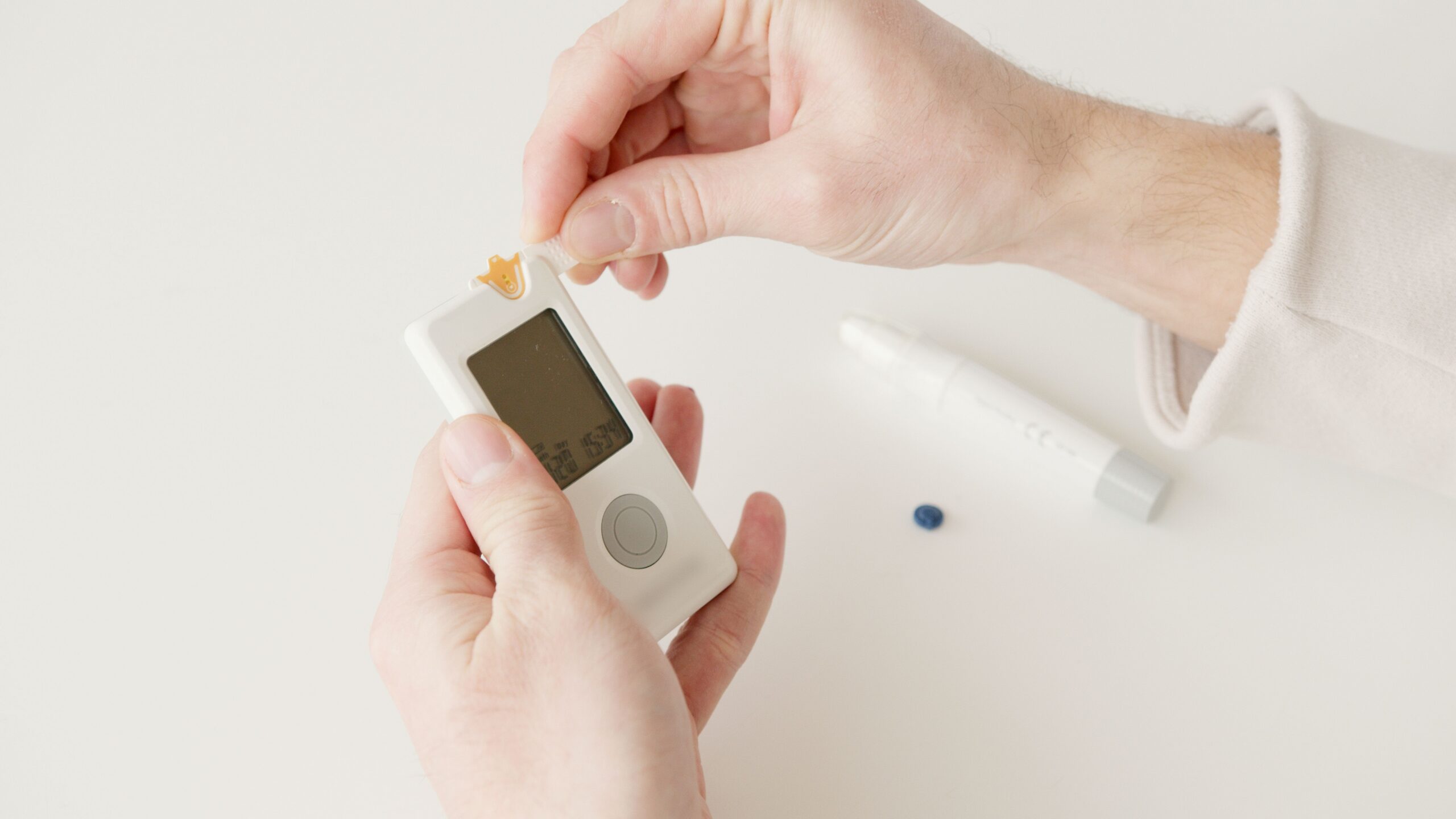
Tool. Order a CGM. The Stelo biosensor by Dexcom is available over the counter at Lofta for around $99 for a two-sensor pack (two 15-day sensors). No prescription required. Wear one for 14 days and log every meal with a timestamp. The app shows your postprandial curves meal by meal. You will see the crash. You will see exactly which meal caused it.
Behavior. Three changes in order. First: at every meal, eat protein and fat before touching carbohydrates. Same food, different sequence. Second: cap lunch carbohydrates at 30g and put them at the end of the meal. Third: walk for 10 minutes after lunch. Muscle glucose uptake during movement blunts the spike before it can drop. You do not need a workout. Ten minutes around the block works.
Threshold. Postprandial glucose peak under 140 mg/dL at the one-hour mark. Return to baseline within two hours. Afternoon energy stable past 3 PM without caffeine. Most people see the crash flatten within five to seven days of the food-order change. The CGM makes the feedback loop visible in real time, which is what makes it a diagnostic tool rather than just a tracker.
If the CGM shows a flat curve and the crash persists
Two other causes produce an identical 2 PM wall. A flattened cortisol curve generates mid-afternoon energy failure that looks like a glycemic crash from the inside. Undiagnosed sleep apnea fragments sleep enough that people carry a fatigue debt into every afternoon regardless of hours in bed.
If your CGM data is flat and you are still crashing, the next stop is a full metabolic and hormone panel. Function Health runs a 100-plus marker bloodwork panel including fasting insulin, DHEA-S, thyroid, and cortisol markers that standard annual physicals miss. The data tells you which branch to pursue next.
| Intervention | Mechanism | Effect on glucose spike | Effort |
|---|---|---|---|
| Food order (protein/fat first) | Slows gastric emptying, blunts glucose absorption | 40 to 50% reduction in peak glucose | Low. Same food, different order |
| 10-min walk after lunch | Muscle glucose uptake without additional insulin | 20 to 30% blunting of postprandial peak | Low. 10 minutes only |
| 30g carb cap at lunch | Reduces total glucose load at the meal | Proportional to carb reduction | Medium. Requires meal planning |
| Afternoon caffeine | Blocks adenosine receptors, delays perceived fatigue | None on glucose curve | Low effort, low payoff on the underlying problem |
Source: Livium editorial synthesis based on peer-reviewed food-order intervention studies and NIDDK continuous glucose monitoring guidance.
Plan of action
- Order a CGM at Lofta. No prescription needed. Apply it and start wearing it tomorrow.
- This week, change food order at every meal. Protein and fat first. Carbohydrates last. Same food, different sequence.
- After lunch today, walk for 10 minutes. Set a recurring phone reminder for every weekday at 12:30 PM.
- Cut caffeine at 2 PM. If the crash is glycemic, fixing the food-order pattern should reduce your craving for afternoon coffee within a week.
- If the CGM curves are flat and the crash persists after 14 days, order a full metabolic panel through Function Health. The next variable is cortisol.
Table of Content

Know your body better.
Trusted By Thousands Daily



FAQ
Do I need a prescription for the Stelo CGM?
No. Stelo is over the counter and available through Lofta and directly from Dexcom. No lab order, no doctor visit, no insurance paperwork required.
My doctor said my blood sugar is fine. Why would I bother?
A normal fasting glucose measures your resting baseline. It says nothing about what your blood sugar does in the two hours after you eat. A CGM measures the behavior, not the baseline. Those are two different numbers, and only one of them explains your 2 PM crash.
Is reactive hypoglycemia the same as pre-diabetes?
No. Reactive hypoglycemia is a blood sugar drop in response to a spike after eating. Pre-diabetes is chronically elevated fasting glucose. They can coexist, but one does not imply the other. Many people with reactive hypoglycemia have fasting glucose in the 80s.
What if I already eat low-carb?
Then a glycemic crash is unlikely to be your issue. Put the CGM on anyway to confirm. If your curves are flat and the crash persists, the mechanism is elsewhere. Cortisol, thyroid, or sleep apnea are the next places to look.
Legal Disclaimer
The content published on Livium Health is for informational and educational purposes only. Nothing on this site constitutes medical advice, diagnosis, or treatment. Always consult a qualified healthcare provider before making decisions about your health, including changes to medications, supplements, diet, or exercise.
Livium Health is not a medical practice and does not have a patient-provider relationship with its readers. We do not sell supplements, medications, or treatments, and we have no financial relationship with the products or services we reference.
While we work to ensure the information we publish is accurate and up to date, health and medical guidance evolves. We make no guarantees about the completeness or currency of any content on this site. Reliance on any information provided by Livium Health is solely at your own risk.
If you are experiencing a medical emergency, call 911 or your local emergency services immediately.
We may receive compensation, free products, or affiliate commissions for products mentioned in this post. Opinions are our own.